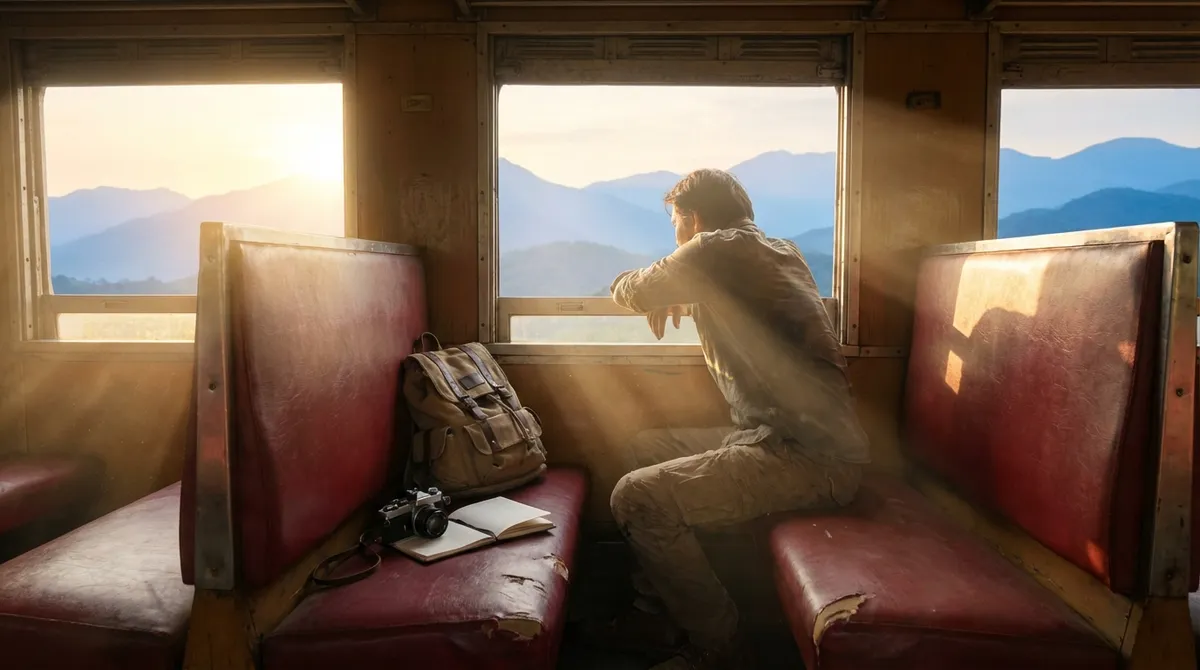
This isn’t about deprivation. It’s about designing trips where your wallet isn’t in charge of your imagination.
Reframing Budget Travel: From “Cheap” to “Creative”
Budget travel is often misunderstood as a hunt for the absolute lowest price, no matter the cost to your comfort or joy. That mindset quickly becomes exhausting. A creative budget traveler approaches the journey differently: you’re not just saving money, you’re reallocating it to what actually matters.
Instead of chasing “deals,” start by asking: What do I want this trip to feel like? Is it sunrise hikes, late-night street food, or lingering in museums? Once you know your emotional priorities, every coin you spend can serve that vision. You might skip the central hotel to afford a once-in-a-lifetime experience, or trade taxis for local buses so you can stay an extra two days.
When you see budget as a design tool rather than a limitation, your options expand. You don’t have less; you have focus. And that focus turns ordinary trips into journeys that feel handcrafted, intentional, and deeply yours.
1. Sleep in Places That Come With a Story, Not Just a Pillow
A hotel room is just a room; a bed with a story becomes part of your trip’s mythology. On a budget, the places you sleep can be some of the most memorable chapters you write.
Look beyond standard hotels to hostels, guesthouses, homestays, and monastery stays. Many hostels now offer private rooms that are cleaner, more social, and far cheaper than mid-range hotels. Family-run guesthouses might greet you with homemade breakfast, insider tips, and conversations that reveal a side of the destination you’d never see from a chain property.
Monastery stays in Europe or temple lodging in parts of Asia can offer quiet, contemplative nights at prices that fit a small budget, with the added bonus of cultural immersion. In rural areas, farm stays or eco-lodges can trade luxury décor for starlit skies, communal dinners, and the sound of night insects instead of traffic.
By choosing character over polish, you’re not “settling”—you’re upgrading your story. Years from now, you’ll remember the courtyard where everyone shared wine at sunset, not the generic lobby you barely walked through.
2. Turn Transport Into Adventure, Not Just a Cost
Transportation is often seen as the necessary evil of travel—the thing you endure to get to the “real” experience. On a budget, it can actually be the experience.
Slow travel—think overnight trains, regional buses, local ferries—lets you see a country the way locals do and usually at a fraction of the cost of flights. Night trains can double as both transport and accommodation, freeing up a day in your itinerary and some cash in your budget. Long-distance buses and shared vans might feel basic, but they often wind through villages, coastlines, and mountain passes you’d miss from the sky.
In cities, skip the paid tours at first and ride public transit end-to-end. Metro lines, trams, and even public boats (like in Istanbul or Bangkok) reveal entire layers of the city’s life for the price of one ticket. Walk whenever distances allow—those in‑between stretches are where you stumble on neighborhood bakeries, hidden squares, and tiny bookstores with handwritten signs.
When you treat movement as part of the adventure, the cheapest routes often become the most treasured memories: an old man sharing oranges on a train, kids laughing loudly at a dubbed soap opera on a bus, or a deck full of strangers watching the same sunrise from a ferry.
3. Eat Like You Live There, Not Like You’re Passing Through
The fastest way to burn your budget is to eat every meal like it’s a special occasion. But if you flip your mindset from “restaurant-hopping” to “living locally for a few days,” your costs drop and your connection deepens.
Start by visiting markets and grocery stores. They’re free to enter, full of energy, and tell you everything about how people actually live and eat. Buy fresh fruit, local cheese, bread, and snacks—these can become breakfasts, on-the-go lunches, or even light dinners. Many cities have affordable set lunch menus or “workers’ menus” at small diners that are cheaper than dinner and often more traditional.
Street food, when chosen carefully, can be both safe and spectacular. Follow the longest line of locals, not the most Instagrammable stall. Look for places where the food is cooked fresh and turnover is high. In some destinations, food courts in malls or markets provide inexpensive, authentic meals with lots of variety.
If you’re staying somewhere with a kitchen, cooking once or twice with local ingredients can turn into an adventure of its own. Ask the market vendor how they prepare a certain vegetable, or what spice mix locals swear by. Instead of souvenir keychains, you might end up bringing home a recipe and a jar of something that tastes like your trip every time you open it.
4. Chase Free Moments of Awe Instead of Paid Attractions
You don’t need a ticket for every moment that takes your breath away. In fact, some of the most powerful travel memories are free: a dawn skyline, street musicians in a square, or the sudden silence when you step into an old church or library.
Research free and low‑cost experiences before you go. Many major museums offer free entry on certain days or evenings. Public parks and botanical gardens can deliver hours of exploration and people-watching. Historic districts are often open-air museums where just walking the streets feels like turning pages in a storybook.
Look for local festivals, open-air concerts, or cultural events that are free to attend—these can be more immersive than any guided tour. Join free walking tours where you tip what you can; they’re designed for budget travelers and often led by passionate locals. Hiking trails, city viewpoints, riverfront promenades, and coastal paths cost nothing but effort and time.
When you prioritize awe over admission fees, you discover that your richest travel days often happen when you spend next to nothing: listening to waves crash against cliffs, watching a city wake up from a café chair with a single coffee, or getting lost in a maze of alleyways just because you liked the color of a distant rooftop.
5. Travel With Less Stuff and More Openness
Packing light isn’t just a luggage choice; it’s a budget strategy and a mindset. When you carry less, you move more freely: no checked-bag fees, no taxis just because your suitcase is too heavy for public transit, no stress climbing stairs in old buildings or crossing cobblestones.
A small backpack or carry-on forces you to choose wisely. Bring clothes you can layer, wash easily, and wear in multiple ways. Stick to one pair of versatile shoes plus a backup. Focus on items that earn their place by being useful every single day. You’ll discover that you need far less than you think—and that every unused item is just dead weight.
Mentally, traveling light means dropping the expectation that everything has to go according to plan. Budget travel is full of surprises: buses that run late, hostels that aren’t quite as advertised, sudden invitations from people you just met. Instead of seeing these as problems, treat them as plot twists.
Say yes to the new friend who suggests a neighborhood you’ve never heard of. Change your route if a city feels good and your budget allows you to stay longer. Be ready to downgrade your comfort for a night if it buys you an experience you’ll talk about for years. Your willingness to bend will often be the key that opens the most unexpected doors.
Conclusion
Budget travel isn’t about shrinking your dreams to fit your wallet. It’s about stretching your creativity so far that the world has no choice but to meet you halfway.
When you sleep in places with stories, turn transport into adventure, eat like a local, chase moments of awe you don’t need to pay for, and travel light in every sense, you stop being just a visitor. You become someone who belongs—at least for a little while—wherever your feet land.
You don’t need more money to start seeing the world differently. You need curiosity, a bit of courage, and a willingness to design your journey around what you’ll remember, not what you’ll spend.
The next time you catch yourself thinking, “I can’t afford to travel,” try a different question: How can I travel so intentionally that every dollar becomes part of the story? Then pack light, step out the door, and let the adventure answer you.
Sources
- U.S. Department of State – Travel Information - Official guidance on safety, entry requirements, and country-specific details useful for planning budget‑friendly, safe trips
- European Commission – Passenger Rights - Explains air, rail, bus, and ferry passenger rights in the EU, helpful for budget travelers using low-cost carriers and public transport
- Hostelling International - Global network of hostels with information on budget accommodations, facilities, and membership benefits
- Lonely Planet – Budget Travel Tips - Practical advice and strategies specifically aimed at travelers looking to make their money go further
- CDC Travelers’ Health - Up-to-date health recommendations, vaccines, and destination-specific advice that help budget travelers avoid costly medical surprises while abroad