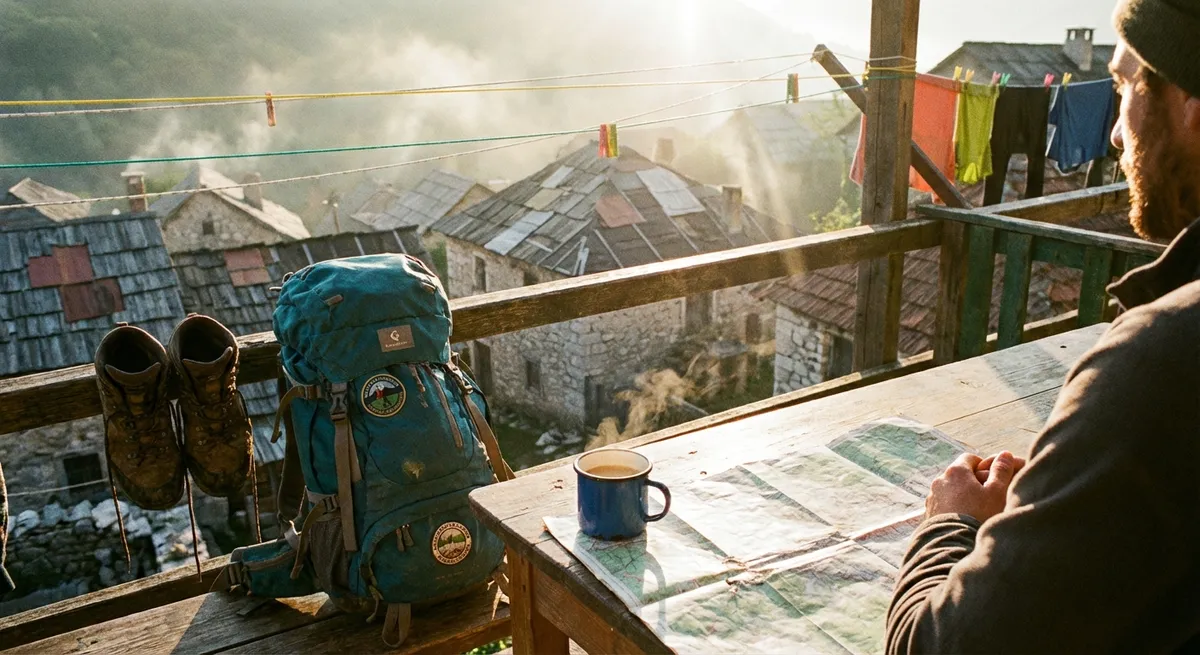
Let’s turn tight budgets into wide-open horizons with five powerful shifts that make travel more thrilling, more human, and far more affordable.
1. Sleep Where the Stories Are, Not Where the Lobby Shines
The most memorable nights on the road usually don’t start with a mint on your pillow.
Skip the glossy hotel and go where conversations happen: hostels, guesthouses, homestays, and small family-run inns. In a hostel common room, you might end up planning a sunrise hike with a stranger from the other side of the planet. In a homestay, you could find yourself learning to roll dumplings at a kitchen table older than your home country.
Look for:
- Hostels with communal spaces – kitchens, lounges, or rooftops where people actually hang out.
- Locally owned guesthouses – they’re often cheaper than chains and full of local advice you’ll never find on a brochure.
- Work-exchange stays (like farm stays or volunteer hostels) – a few hours of simple work can trade for your bed and sometimes meals.
Instead of measuring your stay in thread count and spa treatments, measure it in people you met, stories you heard, and how close you slept to the real heartbeat of the place.
2. Let Transit Become the Adventure, Not the Obstacle
Budget travelers know: the journey between sights is part of the story.
Buses, trains, shared taxis, overnight coaches, and ferries are far more than cheap transport—they’re moving windows into daily life. On a local bus you’ll hear the language as it’s actually spoken, see what people wear to work, what kids bring to school, and how a place really wakes up or winds down.
Turn transit into treasure by:
- Choosing overland when realistic – trains and buses are often cheaper than flights and cut your carbon footprint.
- Using overnight routes – save on a night’s accommodation while crossing entire regions as you sleep.
- Riding at non-peak times – fares can be lower, and you’re more likely to grab a good seat and breathe.
- Downloading offline maps and transit apps – so you can navigate confidently even without a local SIM.
If you treat every ride like a low-cost ticket into everyday life, you’ll arrive with more than just a check mark on your itinerary—you’ll carry a set of impressions you couldn’t have bought any other way.
3. Eat Like a Local, Spend Like a Local
Your plate can be the most authentic guidebook you’ll ever open—and one of the easiest places to save money.
Skip the laminated “tourist menus” clustered near the main attractions. Follow office workers on their lunch break. Track down night markets, food stalls, and small eateries with handwritten signs and lines of locals. Listen for sizzling grills, clattering dishes, and conversation that spills out onto the sidewalk; that’s usually where the magic is.
Budget-friendly food strategies:
- Street food and markets – incredible value, quick turnover (which often means fresher), and a front-row seat to local life.
- Set menus or “workers’ lunches” – many restaurants offer cheap fixed-price meals midday.
- Self-cater a few meals – buy bread, fruit, cheese, or local snacks from markets and grocery stores for breakfast or picnic dinners.
- Use tap water where it’s safe – carry a reusable bottle; in many countries, public fountains offer free, drinkable water.
When you eat where locals eat, you’re not just cutting your food budget—you’re tasting the culture, bite by bite, fork by fork, skewered and steaming right off a street-side grill.
4. Chase Experiences, Not Souvenirs
On a tight budget, every dollar is a vote for what you want your journey to be about.
Instead of collecting objects, collect moments: the first time you navigate a city’s metro alone, a spontaneous swim at an empty beach, a shared joke with a stranger in a language you barely know. Experiences are lighter to carry and become part of who you are, not just what sits on your shelf.
To shift your spending:
- Invest in low-cost or free adventures – urban hikes, self-guided walking tours, public parks, free museum days, city viewpoints that cost nothing but a climb.
- Seek small, meaningful paid experiences – maybe you skip an overpriced bus tour but pay for a local cooking class or a community-run walking tour.
- Set a “souvenir philosophy” – one postcard, one small item you’ll use daily, or something you can eat or drink while you’re there.
- Capture the trip in creative ways – a travel journal, short daily videos, sketches, or audio notes are inexpensive but priceless later.
When your budget is tight, your choices become sharper. You’re forced to ask, “What will I still be glad I spent on five years from now?” That question is a compass toward a more meaningful trip, not just a cheaper one.
5. Design a Flexible Plan and Let Serendipity Do the Rest
The sweet spot for budget travel lives between “totally unplanned” and “every hour scheduled.”
Book the main anchors of your trip—your arrival, your first few nights, maybe one key experience—but leave gaps wide enough for surprise invitations, discounted last-minute deals, and places you hadn’t heard of until you sat down with another traveler over noodles.
Smart flexibility looks like:
- Watching fare trends early – know what “cheap” looks like for your route before you pounce on deals.
- Choosing base cities with good transport – hubs with trains, buses, and budget airlines nearby give you options without constant rebooking fees.
- Leaving a few “free days” – no fixed agenda, just room to follow tips from locals or other travelers.
- Being season-savvy – traveling just before or after peak season often means lower prices, fewer crowds, and friendlier availability.
When your plan is loose enough to bend, the road can whisper unexpected invitations: a festival one town over, a guesthouse discount if you stay longer, a new friend heading to a place you’ve never heard of. A flexible budget traveler is ready to say “yes” without breaking the bank.
Conclusion
A slim budget doesn’t close doors—it simply pushes you to knock on different ones.
When you prioritize connection over comfort, discovery over decoration, and stories over stuff, the world becomes both more affordable and more alive. You’ll find yourself staying where the stories sleep, riding with the rhythm of the city, eating at the pulse of the streets, spending on what actually moves you, and leaving space for the unpredictable.
Your wallet might be light, but your journey can be heavy with meaning. The question isn’t “Can I afford to travel?”—it’s “What kind of adventure do I want to afford?”
Pack your courage, your curiosity, and a willingness to trade luxury for aliveness. The road is ready, even if your budget is small.
Sources
- U.S. Department of State – Travel Advisories - Official safety and advisory information to check before booking budget transport and accommodation
- Hostelling International - Global hostel network with resources on budget accommodations and responsible travel
- Eurail – How to Travel Europe by Train on a Budget - Practical overview of saving money with overland train journeys in Europe
- World Food Programme – Global Food Prices Database - Helpful context on relative food costs around the world, useful for planning budget-friendly destinations
- Lonely Planet – Budget Travel Tips - Expert guidance on stretching your money further while exploring the world