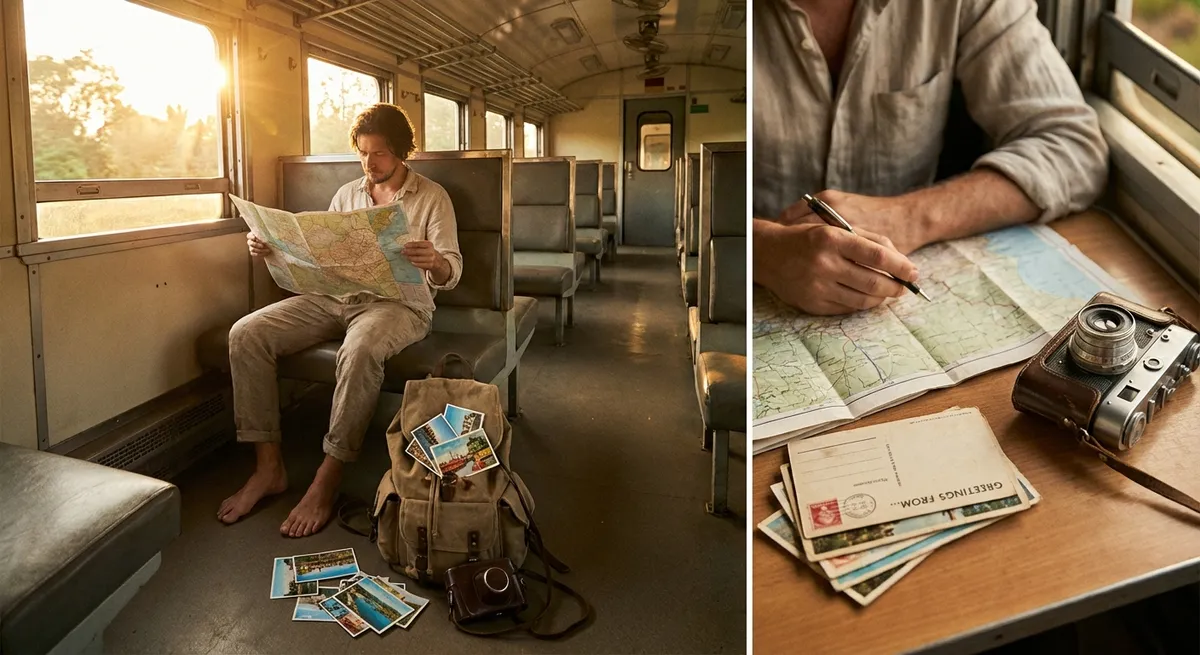
Below are five powerful, adventure-ready tips designed to shift how you move through the world—not just where you go.
Turn Your Bag Into a Mobile Basecamp
Your backpack or suitcase isn’t just storage; it’s your moving headquarters. When your gear is dialed in, you move with the calm confidence of someone who can handle almost anything.
Pack in “systems” instead of random items. Think: sleep system (eye mask, earplugs, light scarf), movement system (compact sneakers, resistance band), and “oh-no” system (basic meds, bandages, stain wipes, backup card). Use packing cubes or lightweight pouches so you can grab entire systems in seconds instead of digging for single items.
Aim for versatile clothing that can cross borders and climates: a breathable base layer that works under a jacket in the Alps and as a standalone top in Bangkok; one pair of shoes you can hike in and still wear to dinner. Favor fabrics that dry fast and resist odor—merino wool, technical blends, and lightweight synthetics can stretch your laundry days while keeping you comfortable.
Treat every item in your bag as if it has to earn its place. If it doesn’t serve at least two clear purposes, it’s probably just weighing you down—physically and mentally.
Let Curiosity, Not Algorithms, Design Your Days
The most unforgettable travel stories rarely start with “I followed the top 10 list.” They begin with curiosity: a side street, a stranger’s suggestion, a sound drifting from an open door.
Use guidebooks and online lists as a loose skeleton, not a script. Mark a few anchor points—maybe a hike at sunrise, a historic neighborhood, one special café—but leave long stretches of unplanned time. That open space is where serendipity can actually find you.
On the ground, pay attention to local rhythms. Notice where the longest line of locals forms for lunch. Watch when families head out, when parks fill, when plazas come alive with music. Ask three different locals the same question: “If I had only one day here, what shouldn’t I miss?” You’ll start to see patterns that no algorithm can predict.
Let yourself follow small sparks of interest: a mural down a side alley, a smell of grilled food drifting from a courtyard, a soundcheck echoing from a hidden bar. The courage to wander off the obvious path is often what turns a standard trip into your personal legend.
Train Your Senses to Travel, Not Just Your Itinerary
We often chase places but forget to fully feel them. The real magic of travel lives in your senses—if you train yourself to notice.
Create micro-rituals of observation. When you arrive somewhere new, stand still for one full minute and tune in: What is the loudest sound? The softest? What’s the dominant smell? How does the air feel on your skin—heavy, dry, salty, cold?
Taste becomes a powerful compass. Try at least one thing you can’t pronounce in every new destination, whether it’s street food in Mexico City or a tiny bakery in a French village. Ask the vendor or server how they eat it—what time of day, with whom, and why it matters.
Even the mundane can become vivid. The pattern of tiles in a subway station, the way people queue (or don’t), the types of plants growing out of the cracks in the sidewalk—these details root you in the present. Take quick notes or voice memos not just about “what you did,” but what you noticed. You’ll start traveling like a storyteller, not a checklist collector.
Build a Safety Net So Your Courage Can Roam
Adventures feel bigger—and safer—when you know you’ve quietly handled the “unsexy” details. A strong safety net doesn’t limit your freedom; it expands it.
Before you go, check your government’s travel advisories for your destination and note any entry or health requirements. Register your trip if your country offers that service. Scan and upload copies of your passport, visas, and key documents to secure cloud storage, and keep digital backups of essential bookings offline on your phone.
Travel insurance may feel like a boring line item, but it becomes pure gold when flights are canceled, bags disappear, or you need urgent medical care far from home. Read the fine print: understand what’s covered, from adventure sports to delayed baggage, so you can say yes to that spontaneous trek or dive with fewer worries.
On the ground, share a loose outline of your plans with someone you trust back home. Learn a few crucial phrases in the local language: “Help,” “I need a doctor,” “Where is the pharmacy?,” and “Is this safe to drink?” When your basics are covered, your confidence grows—and with it, your willingness to step into the unknown.
Use Tech as Your Co‑Pilot, Not Your Cage
Technology can turn the world into your playground—if you use it intentionally. The key is to let it enhance your journey, not replace it.
Download offline maps so you can navigate without constant data. Mark essential spots before you land: your stay, transit hubs, a hospital, and a few backup cafés with good reviews and Wi‑Fi. Use translation apps, but pair them with your own effort; even clumsy attempts at the local language often open doors and invite kindness.
Manage your money with a blend of digital and analog. Travel-friendly bank accounts and cards with low foreign transaction fees can save you real cash. At the same time, carry a small reserve of local currency and a backup card stored separately from your main wallet. Keep emergency numbers for your bank and your country’s embassy or consulate saved offline.
To stay present, create “tech windows” instead of constant scrolling. Maybe you post and message in the evening, then put your phone on airplane mode during long walks or hikes. Your future self will be far more grateful for memories of rivers crossed and markets wandered than for another hour lost in a feed that looks the same everywhere on Earth.
Conclusion
Travel isn’t just a series of pins on a map—it’s a way of reshaping how you move through your own life. When you pack like a minimalist explorer, follow curiosity over algorithms, wake your senses up, build a quiet safety net, and use tech on your own terms, the world stops feeling distant and starts feeling deeply, thrillingly accessible.
The next journey doesn’t have to be perfect, expensive, or dramatic. It just has to be yours. Pack your courage, trim the excess, and step out the door knowing this: the world is far more welcoming—and you are far more capable—than you think.
Sources
- U.S. Department of State – Travel Advisories - Official, regularly updated safety and security information for destinations worldwide
- Centers for Disease Control and Prevention – Travelers’ Health - Health notices, vaccine recommendations, and medical guidance for international travelers
- UK National Health Service – Fit for Travel - Evidence-based travel health advice, including disease prevention and region-specific risks
- Consumer Financial Protection Bureau – Tips for Using Cards Abroad - Practical guidance on managing credit and debit cards while traveling internationally
- Lonely Planet – Travel Insurance Guide - Overview of travel insurance types, coverage details, and how to choose a policy