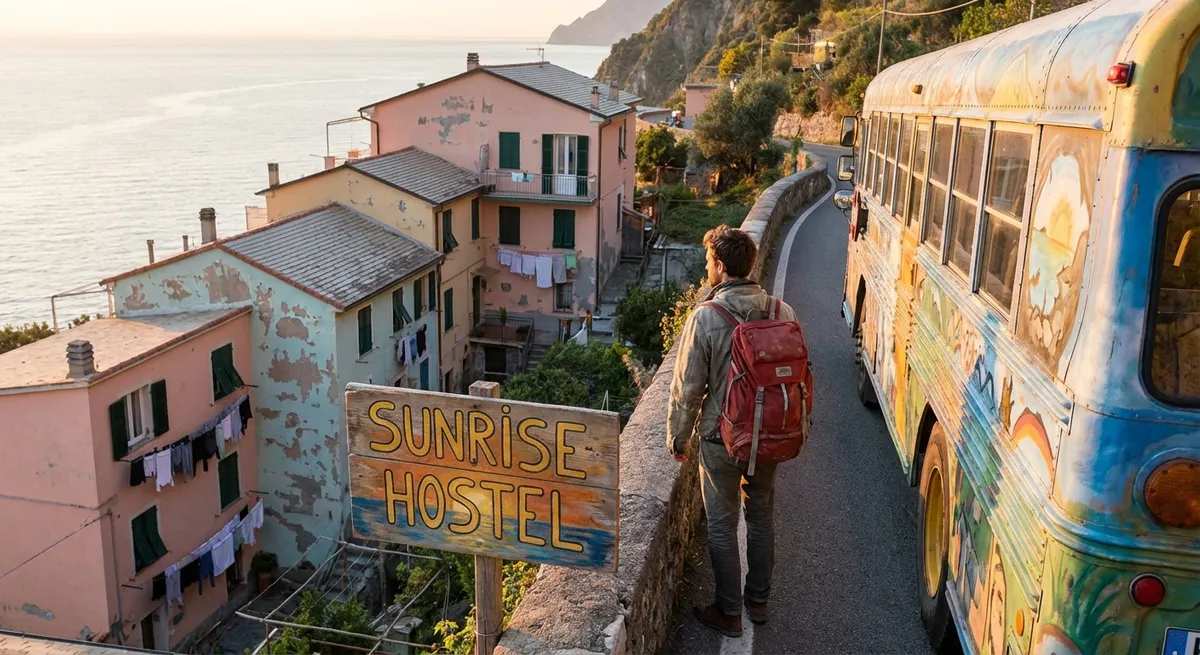
Redefine “Luxury”: Time, Freedom, and the Stories You’ll Tell
For budget travelers, luxury isn’t white tablecloths and rooftop infinity pools; it’s slow mornings, unexpected conversations, and the freedom to follow a side street just because it smells like fresh bread. When your budget is lean, you naturally zoom in on experiences you can’t buy: sunrise over a silent city, the sound of rain on a hostel roof, the first time you successfully order coffee in another language.
Start by reframing your mindset. Instead of asking, “What can I afford to buy?” ask, “Where can I afford to linger?” Often, the richest experiences come from slowing down: renting a room for a week instead of hopping cities every day, learning the local bus system instead of defaulting to ride-shares, or cooking one meal a day in a shared kitchen. That slower pace saves money and opens space for serendipity—like getting invited to a local festival because you actually had time to chat with the café owner.
Point 1: Hunt for “Basecamps,” Not Just Destinations
Think of each city or town as a basecamp—a strategic home base radiating out toward multiple adventures. A well-chosen budget basecamp can unlock entire regions without wrecking your wallet. Instead of booking short stays in five expensive hotspots, choose one affordable hub and explore in day trips or overnight jaunts.
For example, staying in a smaller town outside a famous city can slash costs while keeping you close to the action. You might stay in a village near Florence and hop in by regional train, or base yourself in a lesser-known Balkan town and take cheap buses to coastal gems. As you research, look for places with:
- Good public transport connections
- Local markets instead of tourist malls
- Guesthouses and hostels rather than big chains
- Free or low-cost nature nearby (lakes, hikes, beaches)
This basecamp strategy lets you see more while unpacking less—and the money you save on nightly rates turns into extra days on the road.
Point 2: Turn Transit into an Adventure, Not a Chore
On a budget trip, the journey is not just how you get there—it’s half the story. Overnight trains, long-distance buses, shared taxis, budget ferries: they’re economy-class time machines into the heartbeat of a place. The seats might not recline all the way, but the view from the window is pure gold.
To make transit part of the adventure, lean into local options:
- Ride regional trains instead of high-speed lines when time allows.
- Take public buses used by locals, not just tourist shuttles.
- Try short ferry crossings and river boats where available.
Yes, it takes longer. But on that seven-hour bus you’ll see villages you never would from a plane window, hear the local playlist, and maybe share snacks with the person sitting next to you. Pack a scarf, earplugs, a refillable water bottle, and an offline map, and you’ve turned “cheap transportation” into a rolling classroom in culture and geography.
Point 3: Master the Art of the “Signature Cheap Meal”
One of the secret joys of budget travel is discovering a place’s “signature cheap meal”—the dish locals grab when they’re hungry and in a hurry. It might be bánh mì in Vietnam, empanadas in Argentina, a steaming bowl of pho on a street corner, or a simple plate of dal and rice in India. These meals are where culture, flavor, and affordability collide.
Instead of chasing fancy restaurants, scan for where office workers, students, or taxi drivers eat. This is your goldmine. Learn how to say “What do you recommend?” in the local language, and be ready to try what’s popular that day. You’ll spend a fraction of what you’d pay in tourist zones—and you’ll walk away with a sensory memory far more vivid than any chain restaurant can offer.
To balance your budget further, mix eating out with DIY meals. Markets become your playground: fresh bread, fruit, local cheese, and street snacks can transform a park bench into a budget-friendly feast with a million-dollar view.
Point 4: Chase Free Wonder Like It’s Your Job
The planet is bursting with free wonder, and budget travelers are uniquely tuned to find it. When you can’t throw money at every attraction, you sharpen your radar for experiences that cost little but feel like treasure. Think: city viewpoints at sunset, open-air concerts, free museum days, temple courtyards, university campuses, street art trails, and the quiet magic of early-morning markets.
Before you arrive, research:
- Free museum or gallery hours
- City walking routes and self-guided tours
- Public parks, riversides, and seaside promenades
- Local events, festivals, or community gatherings
Once there, walk. Walk without a rigid plan. Sit on public steps and watch life go by. Listen to buskers. Follow the sound of drums or laughter down side streets. These unscripted moments—the ones no brochure sells you—often become the memories that define your trip.
Point 5: Make Your Budget the Game, Not the Limitation
Instead of seeing your budget as a cage, turn it into a game with rules you choose and goals you care about. Give yourself a daily spending target and treat beating it as a tiny victory that unlocks more travel days. Track with a simple note on your phone: food, bed, transport, extras. Watching those numbers stay in check becomes quietly thrilling when you know every dollar saved buys another bus ride, another night, another sunrise in a new place.
Get creative with how you stretch your funds:
- Swap hotel nights for hostels, guesthouses, or short-term rentals.
- Travel in shoulder seasons to get lower prices and fewer crowds.
- Use city tourism cards only if you’ll actually visit the included sites.
- Consider occasional work exchanges or volunteering programs that offer room and board (research thoroughly and choose reputable organizations).
By gamifying your spending, you shift from feeling deprived to feeling resourceful—and that mindset sticks with you long after you’ve come home and unpacked.
Conclusion
Budget travel isn’t a compromise version of “real” travel; it’s a different sport entirely—more raw, more unpredictable, and often more alive. When you let go of the idea that you need the best room, the fastest train, or the trendiest restaurant, you free yourself up for something wilder: days shaped by curiosity instead of reservations, and stories that exist because you said yes to the cheaper, stranger, more human path.
The world is not waiting for you to have more money. It’s out there right now—sun rising over unfamiliar rooftops, markets opening their shutters, buses idling at dusty stations—ready to meet you exactly as you are, with the budget you have. Pack light. Spend less. Live more.
Sources
- U.S. Department of State – Travel Advisories - Official safety and advisory information for planning trips on any budget
- Lonely Planet – Budget Travel Tips - Practical strategies for saving money on the road from a trusted travel publisher
- Budget Your Trip – Average Travel Costs by Country - Data-driven breakdowns of daily travel costs around the world to help you plan realistic budgets
- Rick Steves – Money-Saving Travel Tips - Detailed advice on stretching your travel budget, especially in Europe
- National Park Service (NPS) - Information on U.S. national parks, many of which offer low-cost or free outdoor experiences for budget travelers