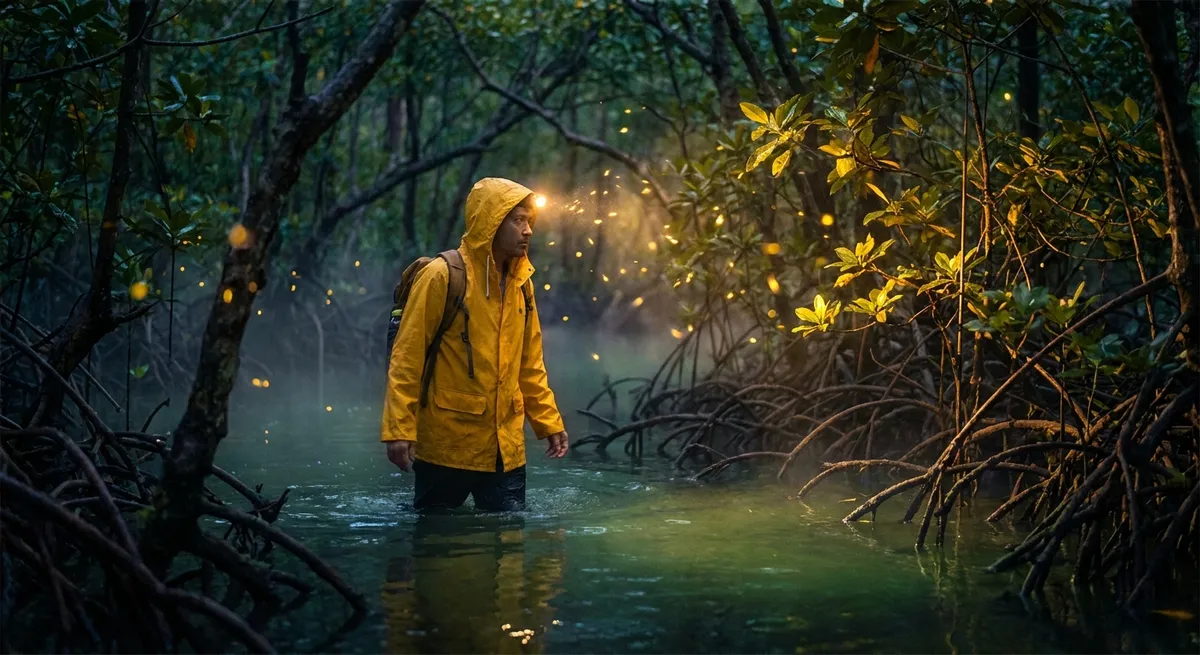
Below are five adventure sparks—less about exact destinations, more about ways of moving through the world. Pick one, mix a few, or let them nudge you toward your own uncharted route.
Trade Checklists for Challenges
There’s a difference between seeing a place and testing yourself against it. When you build a small challenge into your travels, the city, mountain, or coastline stops being a backdrop and becomes a partner in your story.
Set a physical or personal “quest” wherever you go. In a coastal town, it might be hiking from one fishing village to the next instead of taking the bus. In a city, it could be walking sunrise to sunset without using any motorized transport, tracing how neighborhoods shift block by block. In the mountains, maybe it’s choosing a trail that nudges the edge of your comfort zone—longer, steeper, or more remote than you usually attempt, while staying within safe limits.
Challenges sharpen your attention. You notice how the air cools as you climb, how the language shifts between districts, how the scent of the sea threads through tiny alleys. You become less of a spectator and more of a participant, someone in motion with a purpose. Plan your challenge with safety in mind—know the weather, carry enough water, tell someone your route—but leave the emotional outcome totally open. That’s where the adventure lives.
Follow Local Rhythms Instead of Timetables
Most travelers move on tourism time: breakfast at nine, attractions at ten, dinner at eight, lights out after one last scroll. Locals move on a different pulse entirely, and tapping into that rhythm can transform the most ordinary destination into an unforgettable adventure.
Instead of asking “What should I see?” ask “What do people here do?” Visit a neighborhood market at dawn, when vendors are setting up and the day still feels possible. Ride the bus at rush hour and watch how people decompress from work. Linger in a café where no one is in a hurry to flip your table, and let the conversation (or quiet) around you wash over your plans.
Say yes to small, safe invitations that fit the local rhythm: joining a weekly pick-up soccer game, attending a community dance night, or sitting in on an open mic in a language you barely understand. These moments are rarely on official tourism sites, yet they’re where you feel a city’s heartbeat most clearly.
The practical side: learn basic phrases, especially greetings and “thank you.” Dress with cultural norms in mind so you blend in respectfully. And remember that “adventure” here doesn’t mean thrill-seeking; it’s the courage to slow down, listen, and let the place set the pace.
Let One Element Guide the Whole Journey
Most trips are built around geography (a city, region, or country). Try designing an adventure around one element instead—water, altitude, night, sound, or silence—and see how it rewires your route.
If you choose water, you might follow a river from its quiet upstream source to the bustling port where it meets the sea, stopping in overlooked towns between famous hubs. If you choose altitude, perhaps you start at sea level and slowly make your way to mountain villages, feeling the air thin and the views widen. Pick sound, and you could chase live music traditions from street corners to concert halls, letting genres rather than guidebooks dictate your path.
This kind of thematic travel turns decisions into discoveries. Instead of “Where should I go next?” you ask, “Where does this element show up in an unexpected way?” That might mean kayaking to a tiny riverside campsite instead of booking a hotel, riding a mountain cable car before dawn, or attending a rural festival that barely exists online.
Logistically, research safety and local regulations—check weather, seasonal conditions, and health guidance (especially at altitude or near water). Then leave just enough unplanned time for the element you chose to surprise you.
Switch Your Default Mode of Movement
How you move through a place shapes what you see—and who you become while you’re there. Most of us default to whatever is fastest: planes, trains, taxis. Adventure often begins when you choose a slower, stranger, or more immersive way to get from A to B.
Look for routes you can explore on foot, by bike, by canoe, or by train with openable windows and frequent stops. Walking a city at night (in well-lit, safe areas) shows you a completely different personality than midday crowds; cycling through countryside villages strings together a necklace of small encounters that no highway could reveal.
If safety and conditions allow, try at least one segment of your journey using local, everyday transport: a regional bus, a shared van, a ferry used mostly by commuters. These rides are moving microcosms of the culture—snippets of conversation, music choices, lunch containers, school uniforms, and daily rituals you’d miss from a rental car.
Prepare by checking local traffic laws, wearing proper safety gear, and understanding transit norms. Pack lightly so your chosen movement style is actually enjoyable. The goal isn’t to suffer; it’s to let the way you move become part of the story, not just the pause between “real” experiences.
Leave One Day Completely Unscripted
In an age of hyper-planned travel, a fully unscheduled day can feel more radical than a skydive. And yet, this is often where the most cinematic memories bloom—when you wake with a blank page and let curiosity, not obligation, hold the pen.
Choose a day and set just three gentle constraints: a rough geographic area, a realistic budget, and a safety boundary (neighborhoods or conditions you’ll avoid). Then, put away the “top 10” lists and let serendipity steer. Turn down a street because you like the color of a doorway. Eat where the line of locals is longest. Duck into a courtyard just to see what’s there. Start a conversation with someone whose hobby intrigues you.
Use analog tools—a paper map, your senses, one or two questions learned in the local language—to keep your eyes up and your mind present. If you start to feel anxious without a plan, treat that as part of the adventure: a chance to practice flexibility and trust.
You can still be responsible: share your loose area and check-in time with someone back home, carry a portable charger, and keep essential apps for translation or navigation handy in case you truly get turned around. The adventure is in the openness, not in ignoring common sense.
Conclusion
Adventure isn’t a destination or a price tag—it’s a posture. It’s the way you walk into a new place with your senses awake and your plans written in pencil. When you trade checklists for challenges, sync with local rhythms, let a single element guide you, switch how you move, and leave space for the unscripted, the world stops being something you consume and becomes a landscape you collaborate with.
The next time you travel, try weaving just one of these approaches into your journey. See what shifts. See who you become when the script falls away and the road, the river, the city, or the mountains get a chance to answer the question you’re really asking:
“What else might be possible for me out here?”
Sources
- [U.S. National Park Service – Trip Planning & Safety](https://www.nps.gov/subjects/travel/trip-planning.htm) - Practical guidance on preparing for outdoor adventures, including safety, weather, and route planning
- [Centers for Disease Control and Prevention – Traveler’s Health](https://wwwnc.cdc.gov/travel) - Up-to-date health recommendations, vaccines, and safety advice for international destinations
- [Lonely Planet – Responsible Travel Tips](https://www.lonelyplanet.com/articles/responsible-travel-tips) - Insights on engaging with local communities and cultures in respectful, sustainable ways
- [Adventure Travel Trade Association – Adventure Travel Research](https://www.adventuretravel.biz/research/) - Industry perspectives on adventure travel trends, traveler behavior, and best practices
- [BBC Travel – Slow Travel Features](https://www.bbc.com/travel/article/20200216-the-rise-of-slow-travel) - Deep-dive articles on slow, immersive ways of exploring destinations