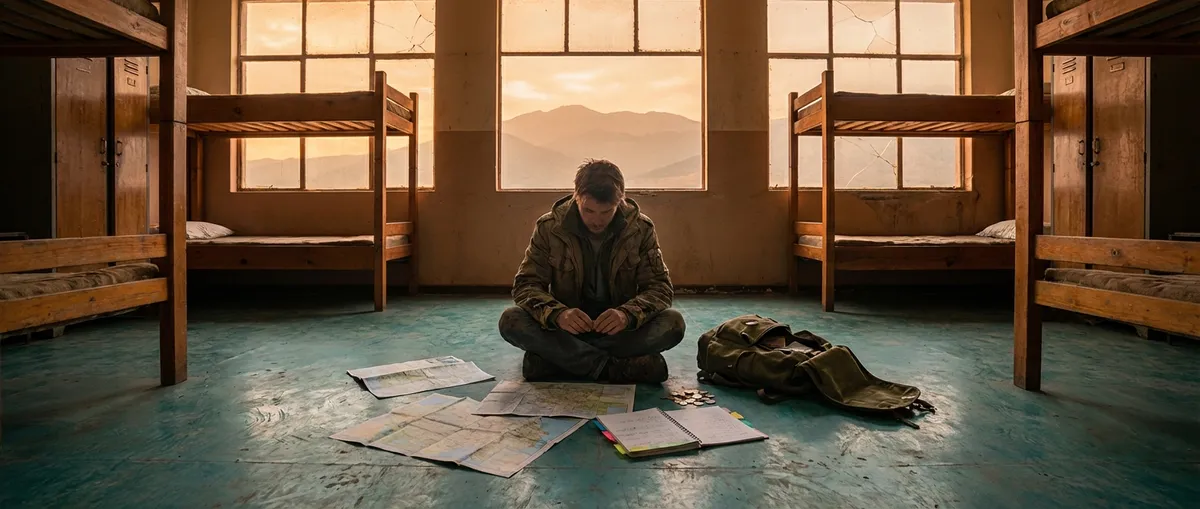
This isn’t about scraping by. It’s about extracting the maximum adventure from minimal spend—without losing comfort, safety, or soul.
Rethink “Cheap”: Aim for Rich Moments, Not Price Tags
Budget travel doesn’t mean chasing the lowest price on everything. It means investing in what you’ll remember and stripping away what you won’t.
Instead of obsessing over a four-star hotel, picture this: waking up in a simple guesthouse, sunlight sneaking through thin curtains, the smell of coffee from the owner’s kitchen, and a handwritten map of “places only locals go” pressed into your hand. You saved money—and you gained a story.
Shift your mindset from “How do I spend less?” to “What’s actually worth paying for?” Spend on:
- Experiences over extras: A cooking class with a local family beats a fancy lobby and decorative pillows you’ll forget.
- Location over luxury: A modest stay near the old town or metro can save you hours and transport costs every day.
- Unique over generic: Street food, neighborhood markets, and local hangouts deliver culture and savings in the same bite.
When your budget becomes a filter instead of a limitation, you don’t feel deprived—you feel focused. You’re cutting away the fluff so the real adventure can breathe.
Ride the Local Pulse: Transport That Feels Like a Side Quest
Every city has a rhythm, and you’ll find it faster when you move the way locals do. Budget transport isn’t just cheaper—it pulls you into the heartbeat of a place.
Picture squeezing onto a tram in Lisbon as it grinds up a steep hill, or gliding past neon-soaked streets on a late-night Tokyo train. These aren’t just rides; they’re micro-adventures.
For a bold, budget-friendly move:
- Skip the taxi-by-default habit: Use buses, metro systems, and trams. Most cities publish clear transit maps and apps, and many airports link directly to local lines.
- Walk with intention: Choose routes that cut through neighborhoods, riversides, and markets instead of main roads. You’ll stumble on murals, cafés, and parks you’d never find from a car window.
- Try shared rides or regional buses: In many regions, long-distance buses or shared minibuses are dramatically cheaper than trains and flights, and often more scenic.
Every time you choose the local way over the “tourist autopilot” choice, you save money and multiply your chances of unexpected, unforgettable encounters.
Sleep Smart: Turn Your Bed Into a Basecamp, Not a Bill
Your accommodation doesn’t have to be the star of your trip—but it should be a strategic ally. On a budget, where you sleep can unlock a city or quietly drain your funds.
Think of your bed as basecamp: where you refuel, reset, and plan the next mission.
To turn lodging into an advantage:
- Look beyond hotels: Guesthouses, hostels with private rooms, homestays, and small family-run inns often include breakfast, tips, and local knowledge that guidebooks can’t.
- Book with a map, not just a price filter: A slightly higher nightly rate in a central or transit-rich location can save you loads on transportation and time.
- Use “comfort bursts” strategically: Mix a few budget nights in simple stays with an occasional mid-range splurge when you need solid Wi-Fi, laundry, or a good night’s sleep. This keeps morale high without wrecking your budget.
- Watch for hidden costs: Extra resort fees, pricey breakfasts, or paid Wi-Fi can turn a “deal” into a money sink. Read the fine print before you click confirm.
When your accommodation is chosen with intention, your money goes into momentum—more days, more experiences, more freedom to wander.
Feast Like a Local: Turn Every Meal Into an Affordable Adventure
Food is where budget travel turns wildly fun. The less you spend trying to chase “famous” restaurants, the more room you have to taste the real soul of a place.
Imagine this: you’re in a crowded market in Mexico, sitting on a plastic stool, watching tortillas puff on a hot griddle. The cook smiles as they hand you something you can’t quite pronounce—but the first bite hits with heat, spice, and smoke. It costs less than a bland meal in a big chain restaurant, and it’s the one you’ll talk about for years.
To turn eating into an adventure that respects your wallet:
- Follow the lines—of locals: Busy stalls, canteens, and bakeries with local crowds are your best safety-and-flavor signal.
- Make grocery stores your ally: Grab fruit, snacks, and simple breakfasts from supermarkets. It’s cheaper, and you get an everyday glimpse of the culture on the shelves.
- Try set menus and lunch deals: Many places offer affordable midday menus that let you sample traditional dishes without dinner prices.
- Carry a “picnic kit”: A reusable container, spork, and small bag mean you can turn market finds into instant picnics—on a hilltop, in a park, or by the water.
Budget food isn’t a downgrade—it’s a front-row seat to the real, unscripted flavor of a destination.
Craft a Loose Plan: Leave Room for Wild Detours
A tight, overpacked itinerary isn’t just exhausting—it’s expensive. Constant rushing, last-minute bookings, and rigid schedules tend to drain both your energy and your bank account.
The sweet spot for budget travel is a loose but intentional plan.
Here’s how to build it:
- Lock in the anchors: Book your big-ticket items—flights, first few nights of accommodation, and any can’t-miss experiences—early to avoid surge prices.
- Leave “white space” days: Keep certain days open with only a neighborhood or general direction in mind. These become your detour days: the ones where conversations lead to new plans, and chance discoveries set the route.
- Cluster your activities: Group sights by area so you’re walking more and commuting less. Fewer tickets and transfers = more cash for the good stuff.
- Use your evenings for intel: Each night, check transit options, opening hours, and free events for the next day. A few minutes of planning saves costly surprises.
When your schedule can bend instead of snap, you’re freer to follow invitations, shortcuts, and serendipity—without blowing your budget in the process.
Conclusion
Budget travel isn’t about shrinking your dreams to fit your wallet; it’s about expanding your creativity, courage, and curiosity until the world feels reachable.
When you:
- Focus on rich moments instead of fancy price tags
- Move with the local rhythm
- Turn your bed into a smart basecamp
- Treat meals as affordable adventures
- And leave space for detours
…you stop waiting for “someday” and start traveling like the version of yourself who doesn’t back down when the unknown calls.
You don’t need permission to begin. You need a destination, a number you’re willing to work with, and the belief that bold doesn’t have to be expensive.
The rest? That’s what you’ll discover the moment you step out the door.
Sources
- U.S. Department of State – Travel Advisory & Safety Information - Guidance on staying safe abroad, including transport and neighborhood awareness
- European Commission – Passenger Rights for Air, Rail, Bus, and Ferry - Useful for budget travelers navigating low-cost carriers and regional transport in Europe
- Lonely Planet – Budget Travel Tips - Practical strategies for saving on accommodation, food, and activities around the world
- Rick Steves – Money-Saving Travel Tips - Insightful advice on prioritizing experiences, avoiding tourist traps, and managing daily costs
- World Food Programme – Food Safety While Traveling - WHO guidance that helps travelers make safer choices when exploring local street food and markets