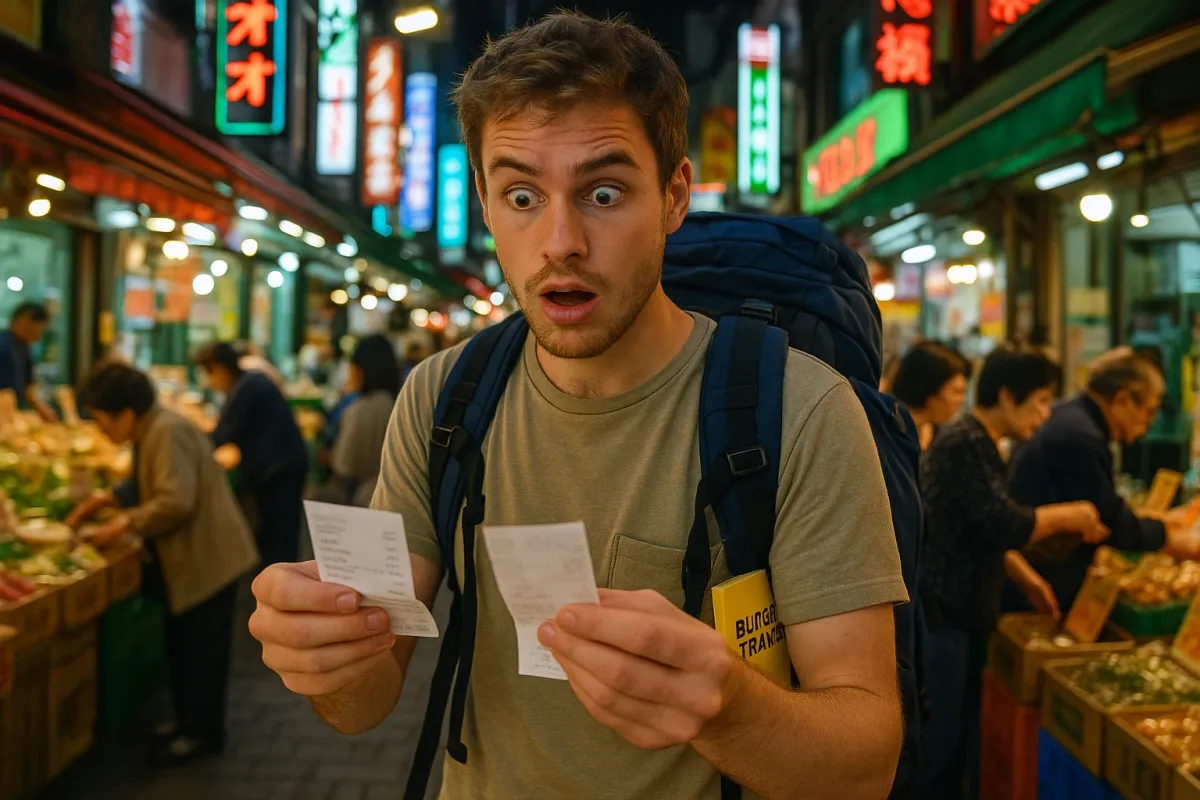
That might sound like fun internet fodder, but hidden inside those “wait, what?” moments is a powerful budget‑travel playbook. When you pay attention to what actually surprises locals and visitors, you discover where money leaks away—and where smart travelers quietly win.
Inspired by those Aussies spilling their culture‑shock secrets, here’s how to turn that same mindset into your biggest budget travel advantage, anywhere in the world.
1. Follow the Free: How Locals Hack Everyday Comforts
One of the biggest shocks people share about visiting Australia is how normal it is to find free showers at beaches, public barbecues in parks, and clean public toilets with decent amenities—things many travelers automatically assume they need to pay for.
Carry that insight with you: before you reach for your wallet, ask, “What does this city already give me for free?” In seaside towns from Lisbon to Sydney, you’ll often find public showers that wipe out the need for a pricey day pass at a beach club. In cities like Melbourne, Copenhagen, and Seoul, public parks are dotted with grills, fountains, and shaded tables—instant picnic kitchens if you hit a supermarket instead of a restaurant. Many European cities now publish online maps of free drinking fountains, so a refillable bottle can quietly save you the equivalent of an extra meal over a week. Make it a game: every new destination, hunt for the “Aussie‑style freebies”—showers, water, cooking spaces, scenic public spots—and build your days around those instead of paid venues.
2. Respect the Rules, Beat the Fines: The Unsexy Way to Travel Cheaper
Australians love to warn visitors about one thing: break a minor rule, pay a major fine. From jaywalking in Sydney to skipping a tram tap‑on in Melbourne, the culture shock hits hard when a tiny shortcut turns into a triple‑digit penalty.
That same principle applies almost everywhere now as cities lean on tourists for extra revenue. Budget travel in 2025 isn’t only about cheap flights—it’s about avoiding money drains disguised as “oops” moments. Before you even think about your hotel, learn the rules that cost you real cash: public transport validation in Rome, alcohol‑free zones in Singapore, littering rules in Tokyo, tourist taxes at check‑in across parts of Europe. Spend ten minutes on the official city transport site or tourism board page; it can save you hundreds. Screenshot signs at airports and bus stops. Watch how locals behave at crossings, on trains, at ticket machines—if they all tap something, you should too. The travelers who come home with extra money are often just the ones who didn’t donate it to fines.
3. Eat Where Real Life Happens, Not Where The View Is Perfect
One of the big shocks first‑time visitors report in Australia is how quickly food costs skyrocket in touristy areas—then how suddenly prices calm down the moment you drift into a local suburb, food court, or worker’s café. That pattern is global.
Catch yourself the next time you’re about to sit at a waterfront restaurant or the cutest old‑town square. Ask: do I want this view or do I want this meal? You can almost always have both—just not at the same table. A smart budget trick: eat one or two streets back from the main drag, then walk to the pretty spot for your coffee, dessert, or just to linger. In countries with high wages like Australia, Norway, or Switzerland, grocery stores and market halls are your best friend: hit bakery sections for fresh pastries, grab deli salads and rotisserie chicken, assemble picnic feasts in public parks with million‑dollar skyline views for a fraction of restaurant prices. Notice where school kids, nurses on break, and tradies (construction workers) are eating—that’s where value lives.
4. Embrace Distance Like an Aussie: Turn Long Hauls Into Budget Adventures
Another thing travelers can’t get over about Australia: the sheer distance. Domestic flights can rival international prices elsewhere, and locals think nothing of an eight‑hour drive just to “pop up the coast.” That same mindset—seeing distance not as a barrier but as an invitation—can unlock huge savings everywhere.
Instead of fixating on the closest “top 10” sight, start reading maps the way an Aussie plans a road trip: where can you string together cheaper stops that deliver a bigger story? In Europe, overnight buses and regional trains between second‑tier cities (think Porto instead of Lisbon, Bologna instead of Florence, Valencia instead of Barcelona) often cost dramatically less and feel more relaxed. In Southeast Asia, slow boats and sleeper trains can double as both transport and accommodation if you’re flexible. Think in routes, not single points: Sydney–Canberra–coastal towns will usually be richer and cheaper than flying in and out of Sydney alone. Every time a destination feels expensive, zoom out on the map. The sweet spot is often one or two hops away.
5. Plan Like a Local, Share Like a Traveler
Those viral “culture shock in Australia” threads are pure gold because they blend two perspectives: locals explaining what’s normal to them, and travelers confessing what blindsided their budgets. That’s your blueprint for smarter, cheaper trips.
Before you go anywhere, follow a couple of local creators, community pages, or Reddit threads for that city or country. Australians, for example, constantly share hacks like using “opal hacks” in Sydney’s transport system (travel off‑peak or on Sundays for caps), taking advantage of half‑price cinema days, or leveraging supermarket loyalty apps for instant grocery discounts. Every country has its version of this—2‑for‑1 rail passes in the UK, set‑lunch deals in France, street‑food halls in Mexico City, student‑night discounts in Berlin. Combine that insider intel with your traveler’s eye for beauty and serendipity. And when you uncover a gem—a park with free grills and epic sunset views, a tram route that’s basically a free city tour, a grocery store rooftop nobody uses—share it. Budget travel gets easier for everyone when we treat tips like postcards, not secrets.
Conclusion
Right now the internet is laughing and gasping at all the things that shock visitors to Australia—strict rules, surprising freebies, big distances, and bigger café bills. But if you look closer, those stories are a masterclass in how to move through the world with your eyes open and your budget intact.
Travel will always surprise you. Let it. Just train yourself to turn every “I didn’t expect that!” into a question: How does this place really work, and how can I flow with it instead of fighting it? Do that, and suddenly you’re not just saving money—you’re traveling the way locals actually live.
Your next adventure doesn’t need a bigger bank account. It needs a sharper eye, a curious mind, and the courage to step one street further than everyone else.