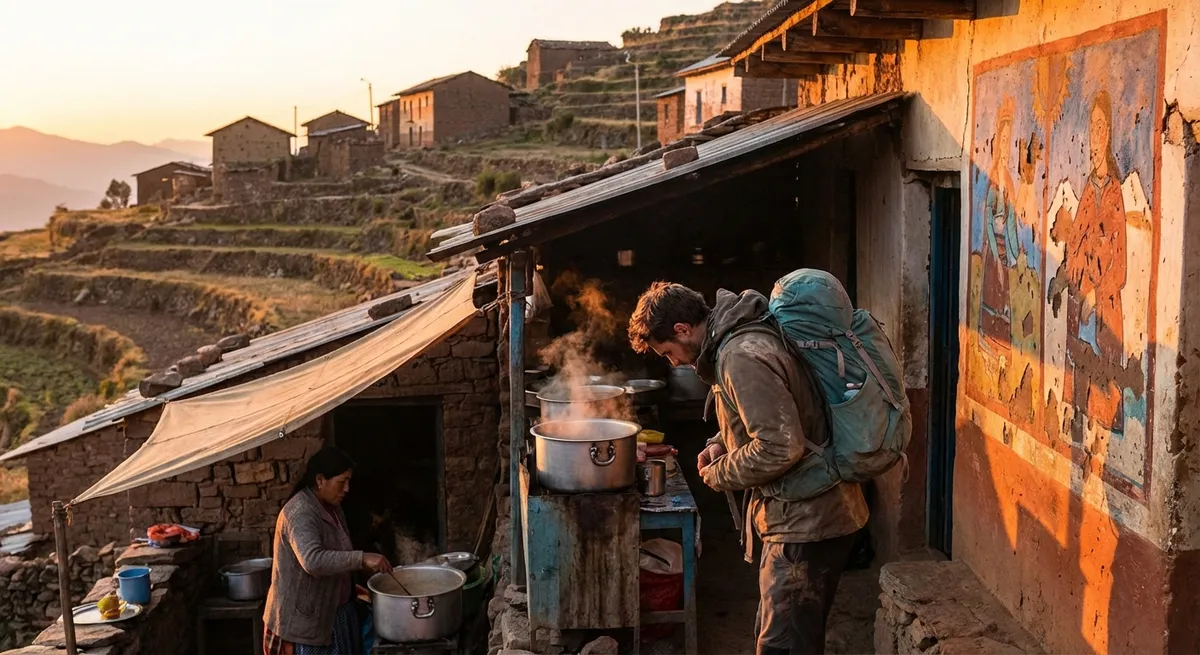
Rethink “Cheap”: Build Your Trip Around What Matters Most
Budget travel starts long before you book a ticket. It begins with deciding what you refuse to compromise on—and what you’re willing to strip back.
Maybe you crave mountains more than museums, or food stalls more than fine dining. Build your entire itinerary around that obsession. If your non‑negotiable is hiking in Patagonia at sunrise, accept that you might sleep in simple hostels, cook your own meals, and travel slower to afford that dream trek. When you design trips this way, every sacrifice has a purpose.
Flip the usual approach: instead of picking a famous city and trying to make it “affordable,” pick a region where your money naturally stretches further—think Eastern Europe instead of Western, Southeast Asia instead of the most touristed corners of Western Europe, Latin America beyond the usual resort corridors. Use tools like cost-of-living indexes and local transit maps to see where your daily budget buys you more.
The magic move is to plan around seasons. Shoulder seasons—just before or after peak tourist times—can slash your expenses on flights and stays while giving you thinner crowds and more authentic interactions. Let price be a compass, not a cage, and suddenly “I can’t afford to travel” turns into “Where could I actually go if I’m strategic?”
Ride the Slow Lane: Turn Transit Into the Adventure
Speed is expensive. Slowness is where stories live.
Flying city to city can drain your budget and your sense of place. Instead, lean into slower, cheaper routes—overnight buses, regional trains, shared rides, and ferries. These aren’t just ways to get from A to B; they’re moving windows into the real life of a place. The grandmother offering you homemade snacks on a night train. The kids practicing English on a bus through rice paddies. The roadside stop where you discover the best soup of your life for the equivalent of a coin.
Overnight transport is a budget traveler’s secret weapon. When you time your journeys so they replace one night of accommodation, you’re essentially being paid in extra days of travel. Pack layers, an eye mask, and your sense of humor. A cramped bus ride through the dark can turn into dawn over a new city, your budget intact and your curiosity wide awake.
Traveling slowly often means seeing fewer destinations—but seeing them deeply. Instead of racing through five cities in seven days, choose two and learn their rhythms: the early morning markets, the side streets, the local buses everyone else overlooks. You’ll spend less on constant relocation and more time actually living the trip you crossed an ocean for.
Sleep Smarter: Find Stays That Give You More Than a Bed
On a budget trip, where you sleep should do more than just keep you indoors.
Hostels are no longer just bunk beds and party bars. Many offer private rooms, coworking spaces, free walking tours, and community dinners. The real value isn’t the cheap bed—it’s the built-in network of travelers and locals. One conversation in a hostel kitchen can turn into a shared car rental, a local hike, or a connection to a family-run guesthouse off the main route.
Guesthouses, homestays, and small local hotels often give you more cultural immersion for less money than big chains. You might wake up to fresh bread from your host’s oven, learn how to use local transport from someone who actually rides it, or get invited to a festival you’d never find on a tourist brochure. When your accommodation plugs you into local life, you spend less on curated experiences and more time in the real heartbeat of the place.
If you’re staying longer, look at volunteering exchanges and work-stay programs (always through reputable platforms and with clear agreements). Trading a few hours of help for a room can extend a one-week budget into a one-month chapter of your life. Just be sure you understand the local labor laws and ethics—your “cheap stay” shouldn’t come at the cost of local jobs or fair pay.
Eat Where the Stories Are, Not the Souvenirs
Your taste buds don’t care about white tablecloths; they care about flavor and freshness. Lucky for you, that’s usually found far from the tourist menus.
Street food and local markets are where budget travelers feast like royalty. Follow the longest lines of locals, not the biggest signs in English. Look for stalls with high turnover and plenty of customers—this usually means good hygiene and even better taste. You’ll not only save money but also eat what people actually eat here, not what’s been invented for visitors.
Self-catering is another quiet superpower. Booking a place with a shared kitchen lets you shop where locals shop: produce markets, neighborhood bakeries, corner stores. You can cook breakfast for the price of a coffee in a tourist café and pack snacks for long days of exploration. That savings doesn’t just stay in your pocket; it transforms into sunset boat rides, museum tickets, or another unexpected night on the road.
Don’t be afraid of “small” places—family-run eateries, canteens near universities, workers’ lunch spots. Menus might be on a chalkboard or not written at all. Learn a few key phrases, smile, and point. These are often the meals you’ll still be talking about years later, the ones that cost less than a fast-food combo back home but carry entire histories in a single bite.
Turn Free into Epic: Elevate the Experiences That Cost Nothing
The most unforgettable moments of your journey will rarely be the ones with ticket stubs.
Every destination is stacked with free or low-cost experiences if you know where to look. City parks where locals gather at dusk for dancing, tai chi, or pick-up soccer. Free-entry days at major museums and galleries. Sunrise viewpoints you can hike to instead of taking an expensive cable car. Street performances that turn cobblestone squares into open-air theaters.
Use local tourism websites and cultural calendars to find festivals, open-air concerts, gallery nights, and neighborhood events that don’t cost a cent. These are the days when the city comes to you on its own terms—no tour needed, just your willingness to join in. You’ll swap curated “experiences” for spontaneous connections: the stranger who teaches you a dance step, the family who insists you try a homemade dessert at a community fair.
Walking is the original budget excursion and still one of the best. Let yourself wander past the main landmarks into side streets, river paths, or neighborhoods where laundry hangs from balconies and kids play in the street. This is where you stop being just a visitor and start being a witness to the everyday life that makes a place real.
Conclusion
Budget travel isn’t a consolation prize for people who “can’t afford” the real thing. It is the real thing—the raw, unscripted version of seeing the world. When you choose slow trains over quick flights, street food over fancy restaurants, and free sunsets over expensive tours, you’re not settling. You’re stripping travel down to what it’s meant to be: awe, connection, and the courage to step into the unknown with what you have.
Your bank account may set the frame, but it doesn’t have to limit the scale of your adventure. The question isn’t “Can I afford to go?” It’s “How bold am I willing to be with what I’ve got?”
The world is already out there, spinning and shining. Pack your curiosity, your flexibility, and your leanest backpack. The rest, you’ll pick up along the way.
Sources
- U.S. Department of State – Travel Advisories - Official safety and advisory information to consider when planning budget-friendly destinations
- UN World Tourism Organization (UNWTO) – Tourism Data and Insights - Provides global tourism trends, including regions and seasons where travel may be more affordable
- Lonely Planet – Budget Travel Tips - Practical guidance on saving money on transport, food, and accommodation
- Rick Steves Europe – Money-Saving Travel Tips - Detailed advice on stretching your budget in Europe through smart planning
- CDC – Travelers’ Health - Essential health guidance for travelers, helpful for planning safe, low-cost trips without unexpected medical expenses