Redefine Luxury: Pay for Presence, Not Polished Extras
What if your real luxury on the road wasn’t a rooftop pool, but time—long, unhurried days where you can actually feel a city breathe?
Instead of chasing the most elaborate hotel, prioritize experiences that deepen your connection to a place. Swap five-star lobbies for a simple guesthouse with a balcony overlooking a busy street, or a hostel with a shared kitchen where travelers trade stories over simmering pots of local food. Those so-called “budget” choices often come with far richer encounters.
Spend on things that anchor memories: a sunrise boat ride across a misty lake, tickets to a local festival, a small-group food tour, or a train ride through winding countryside. Save on what you barely remember later: glossy rooms, private drivers for every trip, or constant restaurant splurges. The more you align your spending with presence—what you can see, taste, hear, and feel—the more every dollar feels like a doorway, not a limit.
Turn Transport into an Adventure, Not Just a Transfer
Getting from A to B doesn’t have to be a dull, necessary expense; it can be the core experience that makes the trip unforgettable.
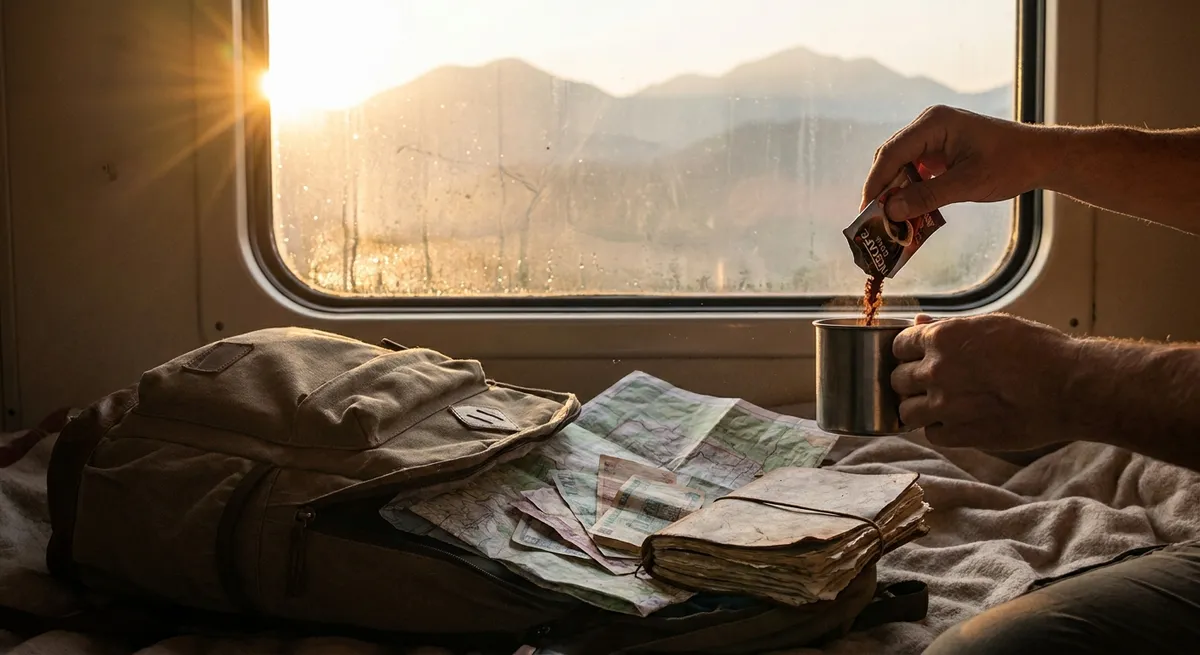
Overnight trains, long-distance buses, and regional ferries are often cheaper than planes—and they immerse you in the pulse of local life. Imagine dozing off to the clatter of train tracks and waking up to an entirely new landscape sliding past your window. Or standing on the deck of a local ferry as fishermen haul in the morning’s catch while the shoreline slowly reveals itself.
Look for slow travel options with flexible passes—regional rail cards, city transit day passes, or long-haul bus networks. Not only do these often save money over flights and taxis, they also invite unexpected moments: chatting with families on their way home, sharing snacks with fellow travelers, or watching a storm roll across open fields from your window seat. Transport, when chosen intentionally, becomes a rolling classroom of culture.
Follow the Food Smoke: Eat Where the City Actually Lives
If you want to feel the heartbeat of a place without draining your budget, follow your nose—not the glossy restaurant brochures.
Street food stalls, family-run canteens, and bustling markets are usually more affordable than tourist-centered restaurants, and the flavors are often far more honest and vivid. Look for long lines of locals, handwritten menus, and big bubbling pots—these are often signs that you’ve found the real deal. Ask vendors what they love to eat; people light up when they talk about their favorite dishes and will often steer you toward the freshest, most authentic options.
To stretch your budget even further, mix market meals with simple self-catering. Pick up fresh bread, cheese, fruit, and local snacks from a supermarket and build picnic meals in parks, on beaches, or at scenic overlooks. Not only does it save money, it turns eating into an adventure—one where your picnic blanket might just have a better view than any expensive restaurant in town.
Let Free Experiences Carry the Story Forward
Some of the most powerful travel memories cost nothing but your time and your willingness to explore.
Many cities offer free museum days, walking tours run on tips, and public festivals that fill the streets with music, dance, and color. Parks, waterfront promenades, open-air markets, historic neighborhoods, local temples or churches—these are open-air museums where culture plays out in real time. Lace up your shoes and wander without a shopping list of attractions; let curiosity choose your turns.
Do a bit of research before you arrive: check city tourism websites, community calendars, and local event listings for open-air concerts, seasonal celebrations, or public art trails. Combine these with self-guided walking routes you design yourself—following a river, climbing to a lookout, or tracing the oldest streets on the map. The less you rely on paid attractions for your sense of wonder, the more your journey becomes about discovery rather than consumption.
Build a Flexible Plan That Invites Serendipity (and Savings)
The biggest ally of a budget traveler isn’t just discipline—it’s flexibility.
Instead of locking in every detail months in advance, leave deliberate blank space in your itinerary. This allows you to pounce on last-minute train deals, off-peak lodging offers, or midweek discounts on activities. Traveling slightly off-season can shrink your costs dramatically while giving you quieter streets, more relaxed locals, and easier access to popular sights.
Set a daily spending range rather than a rigid amount, and think of it like a game: if you go under one day, roll the savings forward for a special splurge later—a cooking class, a scenic flight, a guided hike. Download offline maps, use public transit apps, and track your expenses as you go so surprises stay delightful instead of stressful. When your plan has breathing room, chance encounters—an invitation to a local celebration, a side trip with new friends, a last-minute stay in a tiny village—can become the highlights of your journey without wrecking your budget.
Conclusion
Budget travel is not about shrinking your dreams; it’s about sharpening them. When you stop measuring trips by star ratings and start measuring them by the stories you bring home—the late-night bus conversations, the meals that tasted like someone’s childhood, the free concert that turned a square into a sea of dancing strangers—your budget becomes a creative constraint, not a cage.
With every choice to ride the local bus, eat at the crowded stall, stay in the simple guesthouse, or follow a free path through a new city, you’re quietly rewriting what “rich travel” means. It’s not about how much you spend getting there. It’s about how deeply you let the world in once you’ve arrived.
Sources
- [U.S. Department of State – Travel Information](https://travel.state.gov/content/travel/en/traveladvisories/traveladvisories.html) - Official advisories and practical guidance to help plan safe, informed trips
- [European Commission – Passenger Rights](https://transport.ec.europa.eu/transport-themes/passenger-rights_en) - Details on your rights when traveling by air, rail, bus, or boat in Europe, useful for budget transport planning
- [Lonely Planet – Budget Travel Tips](https://www.lonelyplanet.com/news/budget-travel-tips) - Practical advice and destination-specific suggestions for saving money on the road
- [National Park Service (NPS)](https://www.nps.gov/index.htm) - Information on free or low-cost outdoor experiences and passes in U.S. national parks
- [Harvard T.H. Chan School of Public Health – Healthy Travel](https://www.hsph.harvard.edu/preparedness/healthy-travel/) - Guidance on staying healthy while traveling, especially helpful for long, budget-conscious trips