1. Sleep Where the Stories Are, Not Where the Lobby Shines
Most of your trip will never happen inside your room, so stop letting hotel photos dictate your adventure. Budget travel begins when you trade polished lobbies for places with character: hostels, local guesthouses, homestays, and simple rooms above bustling cafés. These aren’t just beds; they’re story generators.
Opting for shared dorms or family-run stays means you’ll wake up to the clatter of local life, not muted elevator music. You’ll share breakfast tables with backpackers who just came from where you’re going next, and hosts who know which waterfall is empty at 7 a.m. and which “famous” viewpoint isn’t worth the entrance fee. Look for accommodations that offer free breakfast, a shared kitchen, or laundry access—these little extras add up fast over weeks on the road. Read reviews carefully to balance safety and comfort with price, and remember: your room is a launchpad, not the destination. Choose the launchpad that connects you to the streets, not the one that walls you off from them.
2. Ride Like a Local: Slow Transport as a Secret Superpower
Fast travel drains your budget; slow travel fills your memory. Budget adventurers move like rivers, not rockets. Trains that chug across countries, night buses that hum along coastal roads, metro lines tangled under cities—these become part of the journey, not obstacles between picture-perfect stops.
Instead of flying every leg, consider the cheapest, most local option: regional trains, shared taxis, public buses, and even ferries. Overnight routes can double as accommodation, giving you both transport and a “room” for one ticket. The trade-off is time, but that time becomes part of the adventure: card games with strangers, window views that shift from neon skylines to quiet farmland, snack breaks at stations where no tourists normally step off. Use passes where they make sense—like rail passes in Europe or transit cards in big cities—to compress your costs. The more you move at local speed, the more your budget stretches and the more the landscape feels like chapters instead of skipped pages.
3. Turn Every Meal into a Treasure Hunt Instead of a Splurge
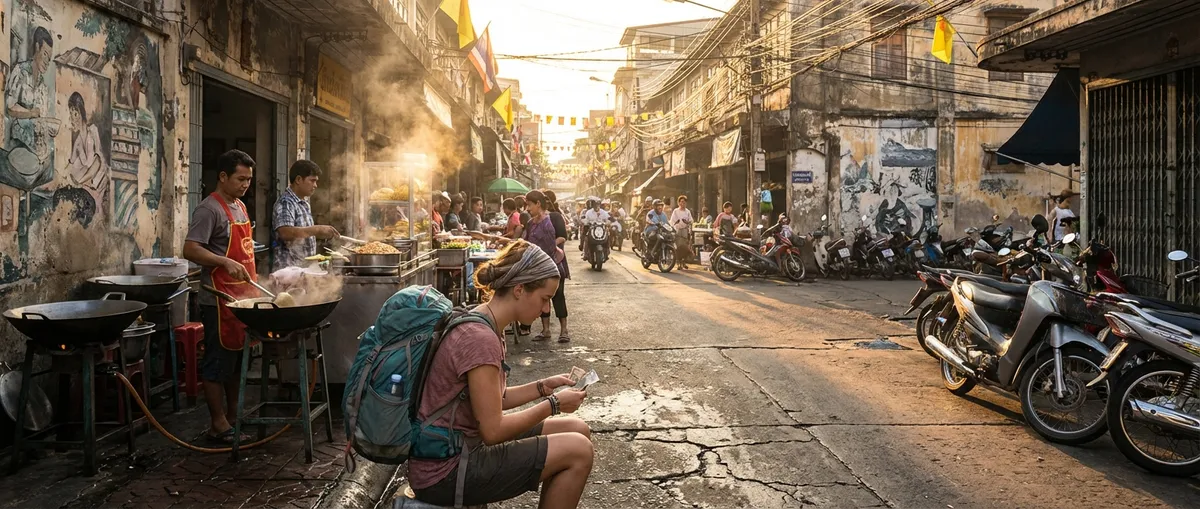
Food is where budget travel becomes deliciously fun. Instead of chasing the highest-rated spot in every city, treat meals like a daily scavenger hunt. Swap the pricey restaurant with English menus for the tiny shop where workers queue on their lunch break or the market stall everyone seems to know by name. This is where flavor collides with affordability.
Look for handwritten menus, plastic stools, and local families eating together—these are your best signs of both authenticity and value. Street food, market halls, and simple cafeterias can slice your food budget in half while doubling your cultural immersion. Shop at local markets and cook simple meals in hostel kitchens; you’ll save money and meet other travelers over shared ingredients and borrowed spices. Make lunch your biggest meal of the day if there are lunch specials, then keep dinner light. Instead of ordering the safe choice, ask the cook what they would eat—suddenly, your budget isn’t a limit, it’s a game: how much culture can you taste for as little as possible?
4. Hunt Experiences, Not Souvenirs: Free Adventures Hiding in Plain Sight
The world is quietly overflowing with free and low-cost experiences—if you know how to look. Budget travelers build their days around what doesn’t require swiping a card: free walking tours, museum days with waived entry, city parks where life unfolds in the open, and public festivals that turn ordinary streets into parades of sound and color.
Before you arrive, scan city websites and tourism boards for free concerts, cultural events, and open-air cinema nights. Many museums have specific hours or days with reduced or free admission—plan your route around those windows. Self-guided walking routes downloaded to your phone can replace paid tours, and public viewpoints often rival ticketed towers. Spend your afternoons people-watching from public plazas, wandering riverside paths, or climbing free-access hills for sunset. Collect moments: the local chess game in a square, the street musician who claims the corner as their stage, the child feeding birds at dawn. These things cost nothing, but they’re the scenes you’ll remember longest.
5. Budget Like an Explorer, Not an Accountant
A powerful budget doesn’t crush your spirit; it frees it. Instead of tracking every cent with fear, treat your travel budget like an expedition plan. Decide what matters most to you—maybe it’s food, maybe it’s one epic activity like a dive, trek, or balloon ride—and build everything else around those priorities. You’re not cutting joy; you’re carving it into sharper focus.
Start by setting a daily amount you’re willing to spend, then divide it into broad categories: sleep, food, movement, and magic (your fun/experiences fund). Use apps or simple notes on your phone to check in at the end of each day, not every five minutes. When you underspend one day, you’ve just banked a little extra for tomorrow’s splurge. Say yes to the experiences that light you up—like a cooking class or a kayak trip—and save by saying no to forgettable expenses: taxis you don’t need, constant café coffees, impulse souvenirs that will end up in a drawer. The goal isn’t to hoard money; it’s to spend intentionally on the stories you’ll still be telling ten years from now.
Conclusion
Budget travel isn’t about surviving the world on the smallest sum—it’s about meeting the world on its own terms. When you trade polished ease for street-level adventure, you gain more than cheap nights and discounted tickets. You gain the courage to sleep in unfamiliar places, navigate tangled stations, taste food you can’t pronounce, and find beauty in everyday scenes instead of curated attractions.
Your budget becomes not a cage but a compass, pointing you toward paths you might have ignored if money were endless. The adventure starts the moment you decide that what you have is already enough to go. Pack your curiosity, count your courage as part of your currency, and step out the door—because the world doesn’t belong to the richest traveler. It belongs to the one who shows up.
Sources
- U.S. Department of State – Travel Planning Resources - Official guidance on planning, safety, and documents for international trips
- The Man in Seat 61 - Detailed, independent information on train and ferry travel worldwide, useful for budget-friendly overland routes
- Lonely Planet – Budget Travel Tips - Practical advice and strategies for saving money on the road
- Hostelworld – How to Travel on a Budget - Insights on budget accommodation and cost-cutting techniques for travelers
- Rick Steves Europe – Money-Saving Travel Tips - Concrete strategies for reducing costs on transportation, food, and sightseeing, especially in Europe