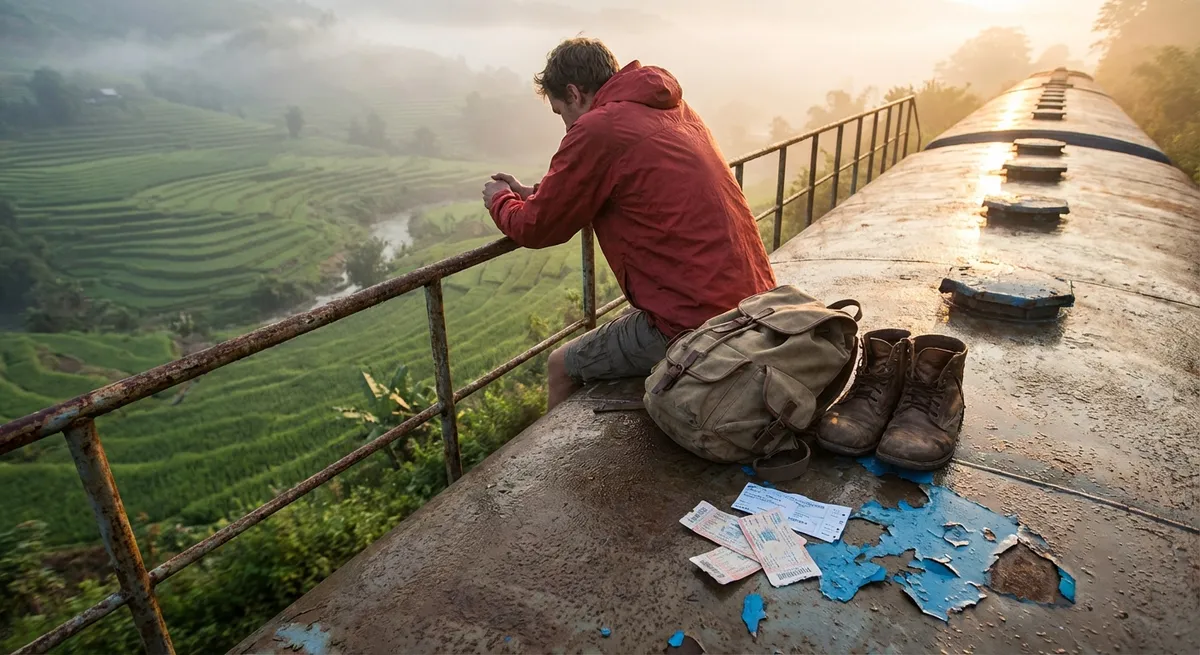
Below are five captivating ways to unlock big, cinematic experiences on a small, stealthy budget—without sacrificing the rush, the wonder, or the wild “I can’t believe I’m here” moments.
Rewire Your Idea of “Luxury”: Chase Access, Not Amenities
Real luxury on the road isn’t the thread count of your hotel sheets; it’s the freedom to wake up in a new place and know the whole day belongs to you.
Instead of spending on polished lobbies and rooftop pools, invest in the things that open doors: a transit pass, a local SIM card, a sturdy pair of walking shoes, and entrance fees to a few unforgettable sites or experiences. A day pass on public transport can be your golden key to neighborhoods tourists barely touch, from misty hilltop viewpoints to markets that start humming at sunrise.
When you think of your budget as a toolbox rather than a limitation, everything changes. Trade one expensive dinner for three different street-food stops. Swap a luxury resort for a simple guesthouse and use the savings on a local cooking class or guided hike. You’ll remember the smoky flavor of grilled fish by the harbor or the laughter in a family-run café long after you’ve forgotten what hotel lobby you walked through.
Turn Getting There Into an Adventure, Not an Obstacle
Transportation is often the biggest line on your budget—but it can also be the most thrilling part of the journey.
Try night trains, long-distance buses, or regional rail instead of always defaulting to flights. Not only are they often cheaper, but they give you rolling panoramas of countryside you’d never glimpse from 30,000 feet. Picture dawn filtering over rice paddies from your window seat, or villages sliding by as you share snacks with strangers who quickly become friends.
In many parts of the world, buses and trains are lifelines that locals use every day. By traveling this way, you enter the real flow of a place. Keep an open schedule when possible—flexible dates and routes can help you jump on cheaper fares and last-minute deals. Pair that with a budgeting habit—track transport costs per day rather than per leg—and you’ll start seeing patterns, like which routes are worth splurging on and where you can slow down and save.
Remember: the fastest route isn’t always the richest in memories. Sometimes the “in-between” days on the road become the stories you tell for years.
Sleep Smart: Stay Where Stories Happen, Not Where Photos Impress
Your accommodation should be a launchpad, not a museum piece.
Hostels, guesthouses, homestays, and small family-run inns often cost a fraction of big hotels and plug you directly into local knowledge. A chat at a shared breakfast table can lead you to a secret beach, a hidden waterfall, or a festival you’d never find in a guidebook.
Look for places with shared kitchens so you can cook a few meals—a market run in the morning can be as magical as any attraction. Neighborhood location matters more than interior design: staying in a residential area, close to public transit and everyday shops, gives you real-life scenes instead of curated experiences. You might stumble into a neighborhood bakery that becomes your daily ritual or a tiny bar where the bartender starts pouring your “usual” after two nights.
Trust traveler reviews, but also read between the lines. A spotless luxury stay might be nice, but a sociable, safe, and well-located spot with a slightly creaky staircase might give you the late-night balcony conversations and spontaneous group excursions that define your trip.
Eat Like You Belong There: Street Food, Markets, and Micro-Adventures
Food is the most delicious way to stretch your budget while diving deep into a culture.
Skip the tourist-lined restaurants with glossy menus in ten languages. Instead, follow the crowd of locals: street stalls packed at lunchtime, bakeries with queues curling around the block, markets buzzing at dawn. These places don’t need fancy signage; repeat customers are their advertising.
Street food—when chosen wisely—is often safe, fresh, and wildly affordable. Look for busy stands where the food turns over quickly and where you can see it being cooked hot in front of you. Try one unfamiliar dish a day: a bowl of noodles slurped at a plastic table on the sidewalk, a pastry eaten warm on the curb, fruit you’ve never seen before sliced in front of you.
Turn meals into micro-adventures: set a small daily “food quest” budget and see how many different tastes you can experience with that limit. Not only will you save money, but you’ll end up with a mental map of your trip built around spices, aromas, and conversations with the people who made your meals.
Build Your Itinerary Around Free Wonder, Then Add Paid Magic
Some of the most powerful travel moments cost nothing at all.
Sunrises and sunsets, city viewpoints, waterfront walks, free museum days, local festivals, public parks, university campuses, and historic districts you can wander without tickets—these are the open secrets of budget travelers. Build the backbone of your day around no-cost or low-cost experiences: walking tours (especially tip-based ones), self-guided neighborhood explorations, or nature trails that begin right at the edge of town.
Once your day is anchored by free wonder, choose a few key paid experiences that truly resonate—maybe a once-in-a-lifetime dive, a guided trek, an entrance ticket to a legendary ruin, or a live music event. By being selective, you can give yourself permission to go all-in on what matters most to you instead of scattering your budget across every attraction with a sign.
Think of it as curating your trip like a playlist: quiet, free tracks of simple beauty, punctuated by a few intense, paid “choruses” that hit you right in the soul.
Conclusion
Budget travel isn’t the art of doing less; it’s the art of doing more with intention. When you spend thoughtfully, you buy yourself something priceless: time, freedom, and the courage to say “yes” to experiences instead of objects.
Move through the world lightly, eyes wide open, pockets protected but heart unguarded. Let local buses be your chariots, food stalls your banquets, and simple rooms your base camps for big dreams. The map is already waiting. Your budget doesn’t have to be a barrier—it can be your secret power.
Pack less. Expect more. And let your next journey prove how far a quiet budget can carry a loud, unforgettable life.
Sources
- U.S. Department of State – Travel Advisories - Official guidance on safety, documentation, and country-specific advisories useful for planning low-risk, budget-friendly trips
- Rick Steves’ Europe – Budget Travel Tips - Practical strategies on saving money on lodging, food, and transportation, especially in Europe
- Lonely Planet – Budget Travel Advice - Comprehensive overview of current budget travel tactics, from transport to accommodation
- National Park Service (NPS) - Information on U.S. national parks, many of which offer low-cost or free outdoor experiences ideal for budget travelers
- World Health Organization – Travel Health - Guidance on staying healthy on the road, helping budget travelers avoid unexpected medical expenses