This isn’t about being a “morning person.” It’s about stealing the most magical part of the day and making it your own. Here are five dawn-powered ways to turn any trip into something unforgettable—and deeply your own.
1. Chase First Light From a High Place
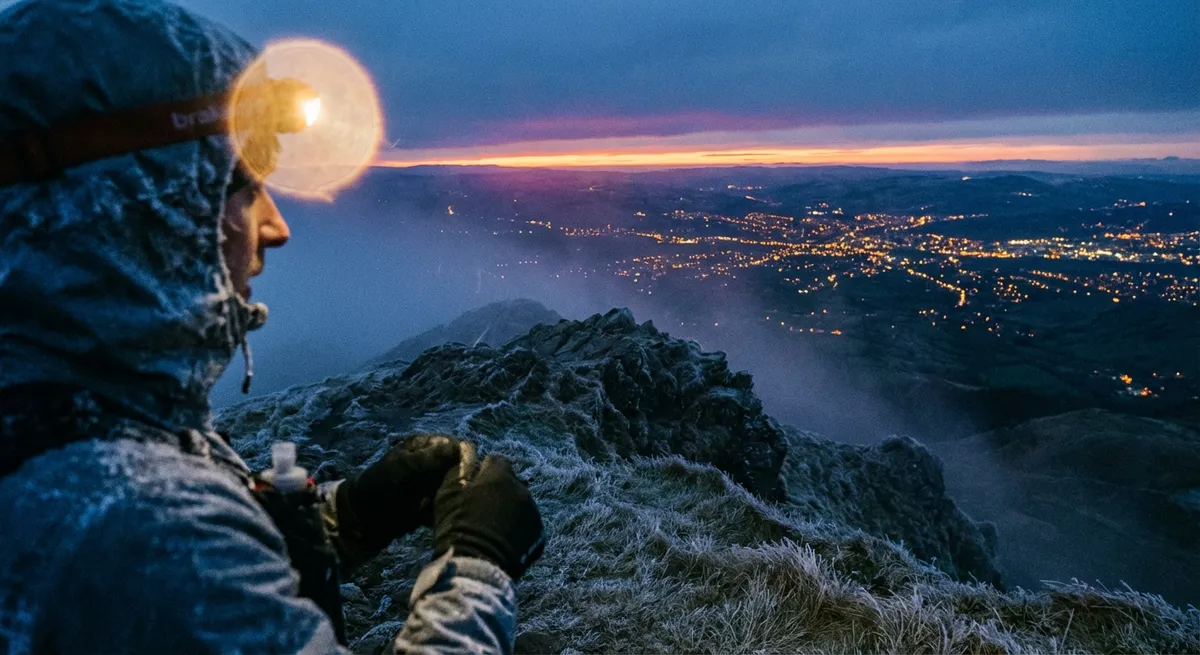
There’s a moment on high ground—roof, mountain, dune, or fire lookout—when night is still clinging to the edges of the world, and the first stripe of color cuts the horizon. Up there, you’re not just watching dawn; you’re inside it.
Plan one morning of your trip around being above everything when the sun arrives. It could be a famous overlook, the roof of your hostel, a hill behind the village, or a short summit you can safely reach in the dark with a headlamp. Pack a thermos of something hot, an extra layer, and arrive at least 30 minutes before official sunrise time; the most dramatic colors often show up in the “blue hour” beforehand. As city lights blink out below and shapes emerge from the darkness, you’ll see your destination knit itself together in real time. It’s hard to bring back that feeling in photos—but it will quietly rearrange how you remember the whole journey.
Practical moves:
- Check sunrise times and civil twilight on a weather app the night before.
- Scout your route in daylight first; note any tricky sections.
- Tell someone where you’re going, especially for solo or off-grid hikes.
- Prioritize safety over the shot—no cliff edges or exposed ledges in low light.
2. Own the Empty City Streets
Big cities feel like entirely different organisms before breakfast. The alleys you’d avoid at midnight suddenly glow with bakery lights and the smell of fresh bread. Market stalls rise like small stages being built in slow motion. Security guards, street sweepers, and café owners become your cast of characters.
Pick one morning to walk the city with no agenda except to watch it stretch awake. Start near a central plaza, a major train station, or a waterfront, and let your curiosity dictate your route. Without crowds, landmarks feel more intimate: you hear your own footsteps echo under arches, catch snippets of early conversations, and notice details—stonework, carvings, quiet shrines—you completely miss at noon. This is the hour when strangers are more likely to nod, to chat, to let you into their routine.
Practical moves:
- Stay aware of your surroundings; early doesn’t always mean safer than day.
- Carry small bills for coffee, street pastries, or market snacks.
- Learn how to say “Good morning” and “May I?” in the local language—doors open.
- Walk in loops that bring you back to your stay by mid-morning, when the city shifts gears.
3. Slip Onto the Water Before the Wind Wakes
Lakes, bays, canals, and calm coastal waters are at their most otherworldly just before sunrise. The wind is slower, the surface smoother, and wildlife is often more active. Whether it’s a kayak in Norway, a canoe in Canada, a stand-up paddleboard in Thailand, or a simple rowboat on a sleepy Italian lake, dawn on the water feels like sneaking into a private world.
Book or rent your gear for the earliest possible slot, or talk to operators the day before about a special pre-dawn start. Move slowly and quietly. Watch for fishermen setting nets, birds arrowing low over the water, the sudden ripple of a fish breaking the surface. The reflections you’ll see—mountains, temples, city skylines inverted in glass—are often more breathtaking than the scenery itself.
Practical moves:
- Wear a life jacket, always; dawn magic doesn’t override water safety.
- Check sunrise, tide, and wind forecasts the night before.
- Pack a dry bag with warm layers; it’s colder on the water than you think.
- Protect your phone and camera; use a leash or waterproof case.
4. Join the Locals in Their First Rituals
If you want to see the soul of a place, find out what people do before their workday begins. In some cities it’s tai chi in the park. Elsewhere it’s quiet prayer at a temple, sunrise yoga on the beach, or strong coffee at the same corner stand every morning. At dawn, these rituals are less performative and more real—locals for locals.
Ask your host, your taxi driver, or the barista where people go early in the morning “just to be.” Then, show up humbly. Don’t treat it like a show. Participate when appropriate and observe with respect when it’s not. Maybe you join a group jog along the river, or sit on the temple steps and listen to chanting drift into the cooling air. These small, shared moments are often more meaningful than any big-ticket attraction.
Practical moves:
- Dress modestly, especially around religious or community gatherings.
- Follow local etiquette: remove shoes where others do, keep voices low, no flash photography.
- Buy something small if people are selling food or drinks—support the ritual economy.
- Learn one or two polite phrases; often that’s enough to be welcomed.
5. Turn Travel Days Into Dawn Adventures
Most travelers treat transit days like dead space between “real” experiences—hours to be endured in airports, bus stations, or traffic. Dawn can flip that script. Early departures let you watch landscapes wake up through the window: villages lighting up one by one, farmers in the fields, mist lifting from forests, first light catching a distant mountain ridge.
Instead of groaning at a 5 a.m. bus or train, treat it as a built-in sunrise adventure. Arrive early enough to wander the station, find the vendors selling hot drinks and simple breakfasts, and watch how local commuters move. On long-haul drives or road trips, time your start so the sun rises during the most scenic stretch. You’ll arrive at your next stop with more daylight left—and the sense that the journey itself gave you something, not just took time away.
Practical moves:
- Pack snacks and water the night before; early options may be limited.
- Keep essentials (passport, tickets, charger, warm layer) in one easy-access pouch.
- Wear layers you can adapt as the temperature climbs.
- Set two alarms and ask reception or a friend for a backup wake-up if it’s critical.
Conclusion
Adventure isn’t just buried in remote jungles or perched on cliffside ledges; it’s woven into the quietest sliver of time in every place you visit. When you claim the hours before the world wakes up, you get more than prettier photos—you get privacy with a city, unhurried connection with nature, and small, luminous interactions with people who are just living their lives.
You don’t have to flip your whole schedule or wake early every day. Start with one dawn on your next trip and protect it fiercely. Choose a high place, a silent street, a stretch of water, a local ritual, or a travel day you’d otherwise write off. Show up in the half-light. Let the world reveal itself slowly. Those stolen hours may become the part of your journey you replay the longest—long after the rest of the day has blurred.
Sources
- National Park Service – Hiking Safety – Guidance on planning safe hikes, useful for pre-dawn climbs and viewpoint walks
- American Red Cross – Water Safety – Essential principles for staying safe during early-morning paddling or boating adventures
- U.S. National Weather Service – Sunrise, Sunset, and Twilight – Explains civil twilight and light conditions, helpful for planning dawn activities
- Centers for Disease Control and Prevention – Travel Health – Advice on staying healthy and prepared while traveling, including during early starts and long transit days
- Lonely Planet – Responsible Travel Tips – Practical guidance on respecting local cultures and communities, especially when joining early-morning local rituals