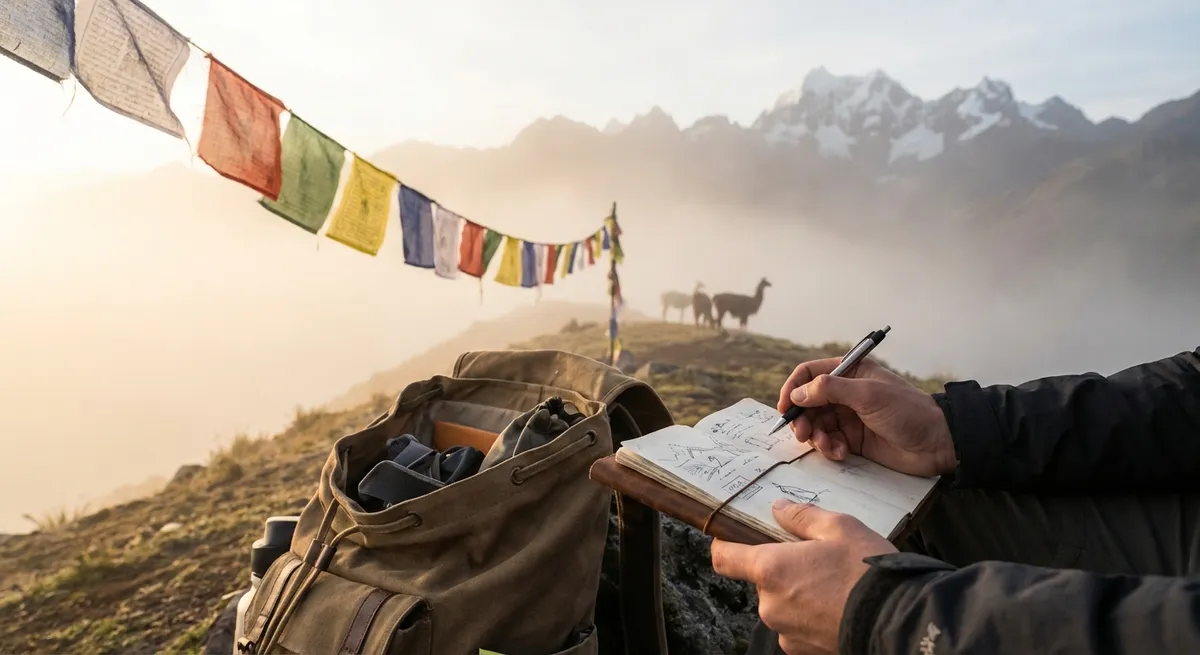
Below are five kinds of adventures that don’t just fill your camera roll—they flip your perspective, stretch your comfort zone, and remind you how wildly alive you can feel.
Chase the Horizon on Foot: Long Walks That Redefine Distance
There’s something radical about deciding that your own feet are your vehicle. Long-distance walking trails and multi-day hikes shrink the world down to a single, simple rhythm: step, breath, view, repeat. As the hours pass, your mind quiets and the landscape starts to speak louder—wind moving across a valley, the crunch of gravel, the sudden burst of birdsong when you turn a bend.
You don’t have to start with a famous pilgrimage to feel this shift. Try a coastal path that hugs cliffs and coves, a forest route that weaves between old trees, or a series of stitched-together city parks that turns an urban sprawl into a green corridor. Pack light but smart: broken-in shoes, layers, a refillable water bottle, and a small first-aid kit can turn a grueling slog into a sustainable adventure.
The key is to set a distance that nudges your limits without punishing your body. Mark milestones on your map—lakes to swim in, viewpoints for sunrise, villages where you can grab a warm meal. When you realize that your own two feet have carried you across a landscape that once looked huge on a map, distance stops being something that keeps you from the world—and becomes the way you experience it.
Step Into the Dark: Night Adventures Under Wild Skies
The world changes character after dark. Streets empty, trails quiet, and the sky becomes the main event. Night adventures—whether it’s stargazing in the mountains, paddling on a moonlit lake, or joining a guided night hike—can feel like sneaking backstage at the planet’s greatest show. Colors drain away and sound comes alive: crickets tuning up, water lapping at the shore, your own heartbeat pressing in your ears.
If you’ve only ever seen the night sky from a city, seek out a dark-sky reserve or remote countryside. Download a stargazing app, bring a headlamp with a red-light mode, and give your eyes time—20 to 30 minutes—for true night vision. Suddenly, constellations you’ve only seen in books are arched right over your head, and you can trace ancient stories written in cold fire.
For extra adventure, pair the darkness with motion. Go for a guided bioluminescent kayak trip where each paddle stroke sparks electric-blue trails in the water, or an organized night cycle along a safe, well-marked route. Respect local rules, never go alone in unfamiliar wilderness at night, and always tell someone your plan. When you learn to feel at home in the dark, you don’t just gain new experiences—you reclaim half the planet’s beauty that daylight hides.
Trade Language for Laughter: Immersive Encounters With Locals
Some of the boldest adventures happen without harnesses, tickets, or gear. They start with a hello in a language you barely know and unfold into shared meals, unexpected invitations, and stories that edit your assumptions. Deep cultural encounters are less about “seeing the sights” and more about letting the place see you—clumsy attempts at phrases, wide-eyed curiosity, and all.
Start small and intentional. Take a cooking class in a local home instead of a restaurant tasting menu. Join community events—open-air markets, neighborhood festivals, public dance nights in plazas. Say yes when someone offers to show you their favorite café, fishing spot, or sunset corner. Learn at least a handful of phrases: “Thank you,” “This is delicious,” “What do you recommend?” and “Can you show me?” go a very long way.
Respect is the non-negotiable gear here. Read up on basic etiquette before you arrive: tipping norms, dress expectations for religious sites, local gestures to avoid. Ask permission before taking close-up photos of people, and be willing to put the camera away altogether when the moment feels intimate. When you treat people as hosts instead of props, travel shifts from observation to connection—and that’s when the stories you tell later carry real heart.
Let Nature Test You: Elements as Adventure Partners
Wind, water, rock, and ice all speak their own languages of adventure. Letting the elements test you—safely and thoughtfully—can tune you into parts of yourself you didn’t know you had. Think of a windy ridgeline that forces you to plant each step carefully, a glacial lagoon where every paddle stroke feels like crossing a myth, or a canyon where sunlight comes down in ribbons between stone walls.
Choose your element based on what excites and unnerves you. If water calls, start with calm adventures: stand-up paddleboarding on a quiet lake, snorkeling over shallow reefs, or a beginner whitewater rafting trip with certified guides. If heights both scare and intrigue you, try a via ferrata (protected climbing route) or a beginner rock climbing session with professionals who provide gear and instruction.
Preparation is freedom. Check local weather forecasts, dress in moisture-wicking layers, and never underestimate sun exposure or cold water. Listen to your guide, respect warning signs, and understand your own limits. The goal isn’t to conquer nature; it’s to collaborate with it. When you learn to move with the wind instead of against it, to swim with the current instead of fighting it, you walk away not just with adrenaline—but with humility and awe.
Create a Storyline, Not a Schedule: Themed Journeys With a Twist
Instead of hopping from “must-see” attraction to attraction, design your next trip around a single, quirky theme—and let that theme decide where you go. This turns even familiar destinations into fresh territory because you’re not just moving through space; you’re following a story you invented. Your mission might be: “Follow every river through this city,” “Track the sunrise from as many angles as possible,” or “Uncover the history of one local ingredient from farm to table.”
Choose a theme that plugs into your curiosity. If you love music, trace the evolution of a genre across multiple cities, visiting record shops, tiny bars, local festivals, and old concert halls. If you’re fascinated by history, follow one historical figure or event through different locations—battlefields, archives, monuments, small-town museums. If food is your language, focus on a single dish and hunt down different regional interpretations, from street stalls to home kitchens.
Document the journey as a narrative, not a checklist. Keep a daily voice memo, sketch the scenes, or create a short video series to share as you go. You’ll find that planning gets more playful, logistics feel less stressful, and every detour becomes potential plot, not a problem. When you travel with a storyline instead of a rigid schedule, you give chance—and your own imagination—room to collaborate on the adventure.
Conclusion
Adventure doesn’t always look like standing on a cliff edge with your arms thrown wide. Sometimes it’s a quiet road unrolling beneath tired feet, a conversation that stretches your worldview, a night sky that makes your worries feel small, or an idea that turns an ordinary city into a personal quest. The common thread is this: you choose to be awake to the world, even when it asks you to be brave.
Pack your curiosity. Pack your respect. Pack just enough fear to keep you alert, and enough courage to move anyway. The next journey that changes you might not be the most expensive or the most extreme—it might simply be the one where you decide to steal moments, not souvenirs, and let the world leave fingerprints on who you become.
Sources
- National Park Service – Hiking Safety – Practical guidance on preparing for hikes and walking adventures
- International Dark-Sky Association – Information on certified dark-sky places ideal for night-sky adventures
- U.S. Department of State – Travel Advisory & Safety Tips – Up-to-date safety and cultural awareness information for international travel
- Leave No Trace Center for Outdoor Ethics – Core principles for minimizing impact during outdoor adventures
- UNESCO – Intangible Cultural Heritage – Insight into cultural traditions and practices that can inspire respectful, immersive local experiences