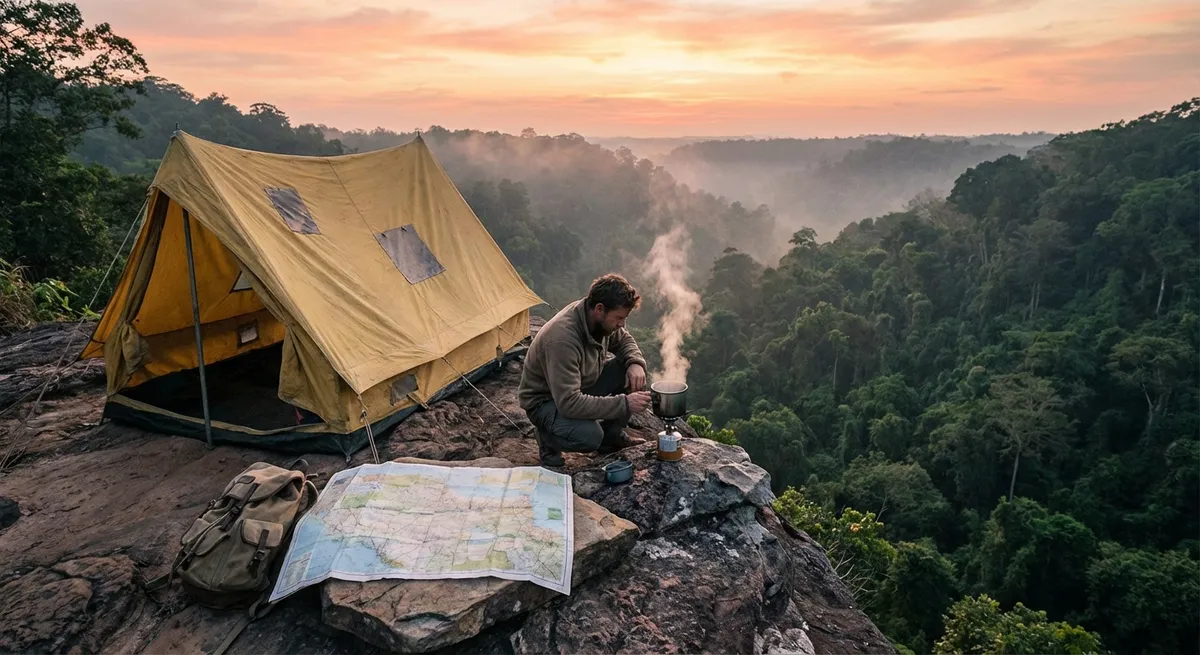
Reimagine Your Route: Let Price, Not Ego, Pick the Destination
Most people start with a dream city and then hope they can afford it. Flip that script. Start with what you can spend and let the deals guide you.
Instead of locking in one destination, search flights by “Everywhere” or “Flexible dates” on comparison sites, then build your adventure around the routes that are secretly on sale. This is how you end up in a sunlit Balkan village sipping coffee for the price of a bus ride, or exploring a lesser-known Spanish coastal town where the sea is as blue as the Mediterranean icons—but your daily budget is half the cost.
Think in regions, not cities. If Paris is too expensive, maybe Lyon or Toulouse gives you the same French charm with far fewer euros. If Tokyo is out of reach this year, maybe Taipei, Seoul, or Osaka delivers electric nights, street food, and neon drama for less. Your goal isn’t to force the world to match your dream—it’s to let the world surprise you in the price range you already have.
Sleep Differently: Turn Your Bed Into a Basecamp, Not a Bill
Your accommodation doesn’t need to wow you; the world outside your door will take care of that. On a budget, your bed is your basecamp: safe, clean, and cheap—so you can spend your money on experiences instead of square footage.
Hostels today are not the creaky bunk beds of travel myths. Many have private rooms, coworking spaces, rooftop bars, and free walking tours that double as instant friend-finders. Guesthouses and family-run stays can get you closer to local life: shared courtyards, homemade breakfasts, and hosts who circle secret viewpoints on your map.
Night trains and overnight buses can turn transport into temporary lodging, hacking away at both time and hotel costs at once. In some countries, university dorms open to travelers in the summer, offering low-cost, central stays. The trick is to decide what matters: reliable Wi-Fi, a good mattress, late check-in—then ruthlessly strip out the rest. Luxury is having the right things, not all the things.
Eat Like You Belong There: Street Food, Markets, and Tiny Miracles
If you want to understand a place, skip the tourist menus and follow the grocery bags. Where are locals actually eating? That’s where your budget stretches and your taste buds wake up.
Street food is often the cheapest, boldest, and most honest expression of a city’s flavor. Bowls of noodles in Bangkok, empanadas from a side window in Buenos Aires, a paper plate of tacos eaten standing up in Mexico City—these are the meals that etch themselves into your memory for a fraction of the cost of a sit-down restaurant.
Daytime markets are your budget travel playgrounds: fresh bread, fruit, cheese, and snacks easily turn into a picnic with a million-dollar view—a cathedral square, a riverside bench, a hilltop at sunset. Self-catering even one meal a day from supermarkets or markets can slash your spending without ever feeling like a sacrifice.
Don’t be afraid of “cheap.” Be afraid of “forgettable.” Ask your hostel staff, bus driver, or barista: Where would you eat for under $10? Then go there, sit among locals, and taste the city from their side of the table.
Chase Experiences Over Attractions: Free Wonders, Small Fees, Big Stories
Budget travel becomes powerful when you realize most of the world’s best moments don’t come with a ticket barcode. They come from time, curiosity, and your willingness to wander.
Yes, some iconic experiences are worth paying for—a museum that lit your imagination as a kid, a historic site you’ve dreamed about for years. But let those be your intentional “big spends” and build everything else around the free and low-cost magic: city parks at sunrise, seaside boardwalks at dusk, churches and temples thrumming with quiet, free galleries and public exhibits, hilltop viewpoints, coastal trails, and old neighborhoods designed for walking long before cars existed.
Look for city tourism cards or museum passes that bundle transport and multiple attractions for one price if you know you’ll use them heavily in a short burst. Equally, don’t feel pressured to “see it all” just because a guidebook told you to. You are not collecting checkmarks; you are building a story. Sometimes that story looks like a full day wandering backstreets with a coffee in hand, spending almost nothing and gaining everything.
Travel Slower to Go Further: Stretch Days, Not Just Dollars
The fastest way to burn money is to hop cities like you’re flipping channels. Every new place means new transport costs, new logistics, and often higher prices when you’re rushed and tired. Slow travel is the budget traveler’s secret weapon.
Instead of racing through five countries in ten days, sink into one region for a week or more. Weekly or monthly stays can unlock deep discounts on accommodation. Local transport—bikes, metro passes, communal taxis—becomes second nature, cheaper and more intuitive with each day. You learn the rhythm of the neighborhood café and the quiet hours of the popular plaza, and you start to feel like you live there, if only for a moment.
Traveling slower also creates a cushion against panic spending. When you aren’t cramming your schedule, you’re less likely to overpay for convenience: last-minute taxis, rushed meals, overpriced tours. Time is the ultimate upgrade, and it’s the one you can buy just by choosing to do less, better.
Conclusion
You don’t need to be rich to live a story worth telling. You just need to be deliberate. Let fares decide your direction instead of ego. Sleep simply so your days can be extravagant with experience. Eat where the city actually lives, not where it performs for visitors. Trade entry fees for open skies, and pace yourself so your budget—and your spirit—doesn’t burn out.
Budget travel isn’t the bargain-bin version of “real” travel. It’s the raw, present, unscripted version. The version where you stand in a place you almost didn’t choose, watching a sunset you absolutely couldn’t buy, and realize: this is what wealth feels like—time, freedom, and a world that’s suddenly closer than you were ever told it could be.
Sources
- U.S. Department of State – Travel Advisories - Official safety and advisory information to check before choosing budget destinations
- Skyscanner – Everywhere Search Guide - Explains how to use flexible flight search to find low-cost routes and destinations
- Hostelling International - Overview of modern hostels, facilities, and budget-friendly accommodation options worldwide
- Lonely Planet – Budget Travel Tips - Practical strategies for saving on transport, food, and stays while traveling
- World Food Programme – Global Food Prices - Provides insight into relative food costs in different countries, useful for planning budget-friendly destinations