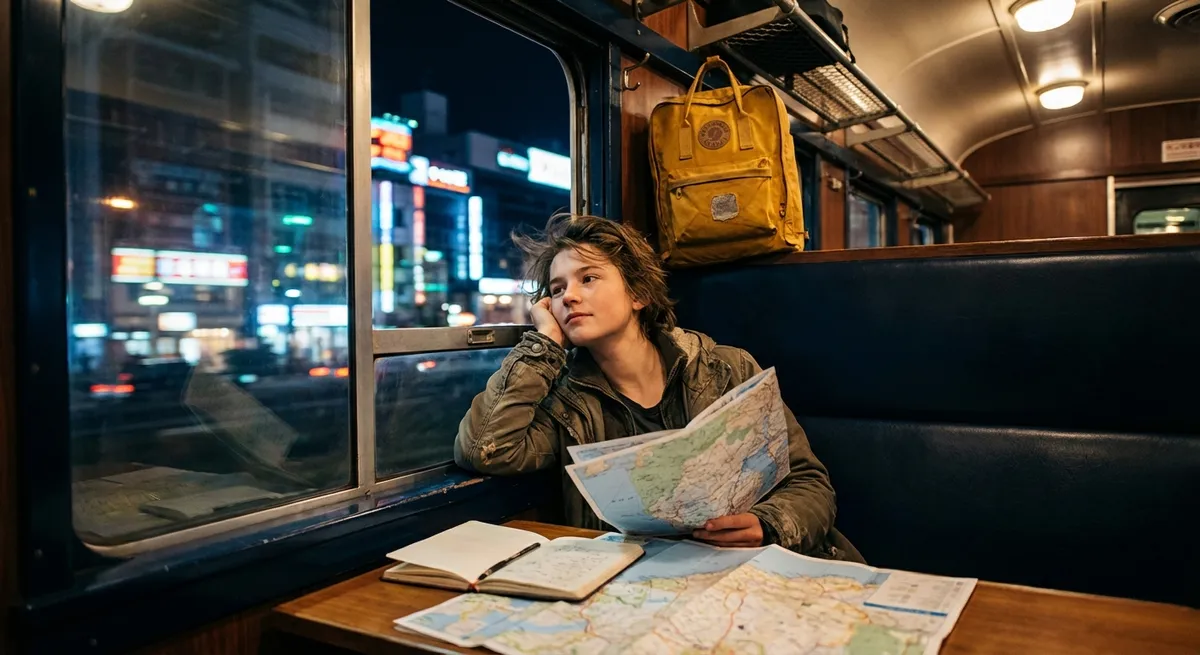
Below are five travel shifts—part mindset, part method—that turn any trip into an adventure that actually stays with you.
1. Pack Like a Storyteller, Not a Suitcase
Every item you pack is either weight…or possibility. Instead of starting with “What do I need?” start with, “What kind of days do I want to live?”
Design 3–4 “travel uniforms” that mix and match: one for movement (buses, trains, long walks), one for exploring cities, one for nature-heavy days, and one that makes you feel sharp enough for a rooftop bar or unexpected invitation. Choose fabrics that dry fast, layer easily, and don’t wrinkle easily—merino wool, lightweight synthetics, and linen blends are your allies.
Limit yourself to carry-on when possible. It forces clarity. A small bag means you glide through arrivals while others crowd baggage carousels. You have less to lose, less to drag, and more freedom to make split-second decisions—like hopping on that local train or switching routes when a stranger tells you about a better beach or an unmarked mountain trail.
Use packing cubes or compression bags not just for space, but for rhythm: one for “today,” one for “later,” one for “just in case.” Your bag becomes a map of your journey instead of a chaotic drawer.
2. Let Your First Day Be a Soft Landing, Not a Checklist
The first day in a new place is a shock to every sense. New light. New language. New pace. Instead of trying to conquer the city in 12 hours, treat your arrival like a gentle handshake with the destination.
Before your trip, pick one grounding anchor for day one: a neighborhood walk, a small local café, or a waterfront promenade. Aim for something that lets you observe more than you do. Order a dish you don’t recognize. Watch how locals move around street corners, cross roads, greet each other. This is how you tune into the place instead of just skimming its surface.
Keep the first day logistics simple: know your route from airport or station to your stay, have offline maps downloaded, and keep essential phrases saved or written down. Once you arrive, resist the urge to scroll; look up, listen, and let your body catch up with your ambition.
You’re not wasting time by easing in. You’re building awareness—so the next few days aren’t just a blur of photos, but a sequence of meaningful moments that make sense together.
3. Eat With Curiosity, Not Just Caution
Meals on the road are more than fuel; they’re shortcuts into the local soul. Street food stalls, neighborhood markets, and family-run cafés often tell you more about a place than its most famous monument.
Yes, be smart. Choose busy spots with a fast turnover. Look for locals eating there, not just tourists with guidebooks. When in doubt, go for freshly cooked, piping-hot options over food that’s been sitting out. Wash your hands often, carry a small sanitizer, and drink bottled or filtered water in areas where tap water isn’t safe.
But don’t let fear fence you in. Try the breakfast locals actually eat, not just the hotel buffet. Step into markets where vendors call out prices and children weave between stalls. Ask, “What’s your favorite thing on the menu?” and let the server or street vendor guide you. This simple question can turn a meal into a mini-lesson in culture.
You may not love every dish, but each one becomes a chapter in your travel story. Years later, you’re more likely to remember that smoky soup from a rainy night market than the perfect postcard photo.
4. Move Like a Local: Trains, Feet, and the Spaces In-Between
Adventure isn’t just at the top of the mountain or in the old town square; it’s in the commute, the wrong turn, the walk between “must-see” spots. Travel becomes electric when you move the way locals do.
Use public transport whenever it’s safe and reasonable. Trains, buses, and trams reveal the city’s real heartbeat—rush hours, quiet corners, weekend energy. Stand where locals stand, read the tiny ads on the walls, notice what people wear, carry, listen to. These details make your memories richer.
Walk whenever you can. A 20-minute walk can uncover side streets, street art, neighborhood bakeries, and tiny parks that never appear in guidebooks. Allow yourself to follow curiosity: that sound of live music, that line outside a bakery, that alley glowing with lanterns.
For longer distances, consider slow options when you can—night trains, ferries, scenic buses. They don’t just move you from A to B; they stretch time, give you sunrise views from a train window, or conversations with seatmates who suddenly become part of your story.
5. Capture the Journey, Not Just the View
It’s easy to come home with hundreds of photos and no real sense of what the trip felt like. Shift from collecting images to documenting experiences.
Instead of taking ten of the same shot, take one, then put the camera down and absorb the moment: the wind on your face, the smell of the food stand behind you, the sound of a street musician’s song spilling into the square. Later that day, jot a few lines in a notebook or notes app—what surprised you, what scared you a little, what made you laugh.
Try building small rituals for memory: one photo each day that isn’t “beautiful” but honest—laundry hanging across a balcony, the bus stop where you got lost, the shoes you wore through dust or rain. Or record a 15-second video clip from your point of view every evening.
When you share on social media, tell a tiny story instead of just posting a highlight reel. Mention the missed bus, the wrong order that turned into a favorite meal, the stranger who helped you find your way. Those are the moments people connect with—and the ones you’ll be glad you caught.
Conclusion
Travel isn’t only about far horizons; it’s about how you move through every mile between here and there. Pack for the life you want to live, land gently, taste boldly, ride alongside locals, and record the journey like it matters—because it does.
The world is already out there, waiting in train stations, night markets, quiet side streets, and sunrise windows. All that’s left is for you to step into motion and let the road reshape you, one deliberate choice at a time.
Sources
- U.S. Department of State – Traveler’s Checklist - Official guidance on preparation, documents, and safety before traveling abroad
- CDC – Travelers’ Health - Health recommendations, destination-specific guidance, and food/water safety tips for international travelers
- Transportation Security Administration (TSA) – What Can I Bring? - Up-to-date rules on packing and carry-on items for flights departing from the U.S.
- Lonely Planet – Travel Tips & Articles - Practical travel advice, cultural insights, and on-the-ground tips from destinations worldwide
- National Geographic Travel - In-depth stories and photography that highlight authentic experiences and responsible travel practices