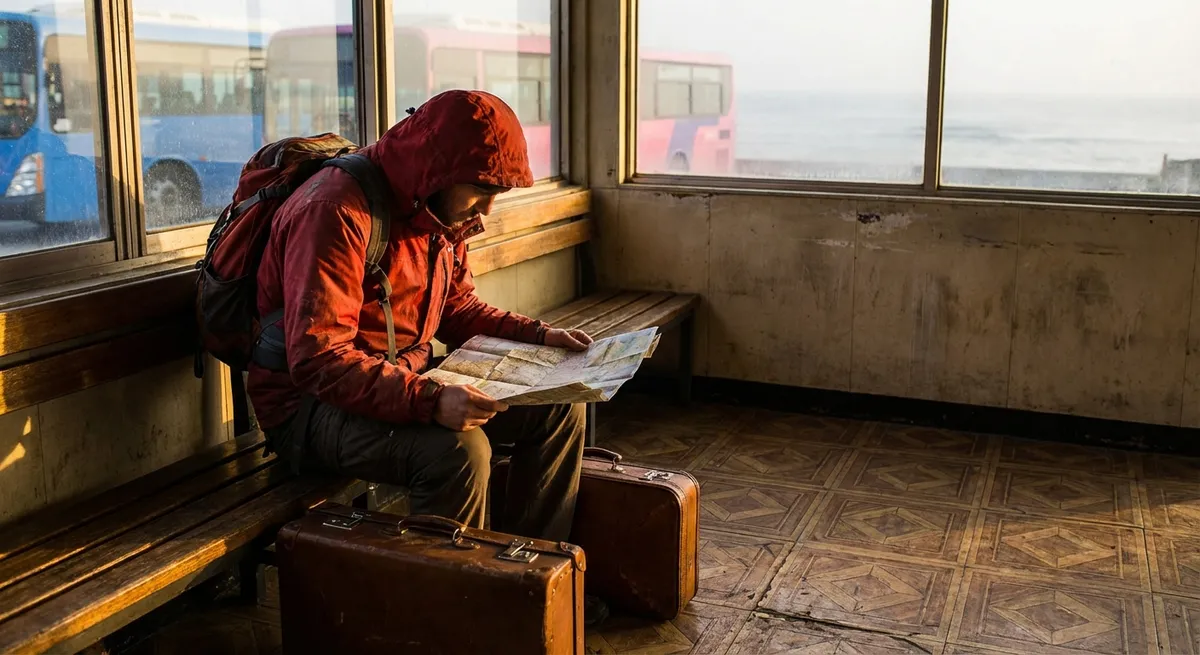
Budget travel isn’t about saying “no” to adventure—it’s about saying “yes” with strategy, curiosity, and a little courage.
The Offbeat Orbit: Follow Paths Most Tourists Miss
The easiest way to stretch your budget without shrinking the experience is to step just outside the places everyone else is crowding into. Instead of the postcard-famous city center, drift into its orbit—the neighborhoods one metro stop beyond, the coastal town that locals escape to on weekends, the inland village that hasn’t yet been packaged for mass tourism.
These “offbeat orbits” usually offer lower prices on everything: guesthouses, food, activities, even transport. But the real payoff is immersion. You’ll stand in shorter lines, have real conversations, and feel the texture of daily life instead of watching it from behind a crowd of selfie sticks. Ask your hostel host which district they’d move to if they had to leave the center. Wander where menus aren’t in five languages. Say yes to the weirdly named town on the regional train map. You’ll save money, dodge the tourist tax, and collect stories no one else in your feed has.
The Slow Drift: Trade Speed for Depth (and Savings)
Fast travel burns cash: airport transfers, rushed tickets, constant packing, and the impulse to “do it all” in 24 hours. Slowing down is the quiet rebellion that makes budget travel feel rich. Linger in one city for a week instead of three days in three different places. Swap planes for overnight buses or trains. Let your feet do the exploring instead of your rideshare app.
When you move slowly, costs drop naturally—weekly apartment rentals become affordable, you stop paying “convenience premiums,” and you discover free or cheap rhythms like local markets, community events, and city parks. More importantly, slow travel turns strangers into familiar faces: the barista who remembers your order, the fruit seller who adds an extra orange, the neighbor who invites you to a family gathering. Your budget might be small, but your connection to a place becomes huge, and that’s what lingers long after you’ve gone.
The Taste Track: Eat Where the City Actually Lives
Follow the food, and you’ll find the soul of a place—and some of the best budget moves you can make. Instead of dining in the polished restaurant across from the main square, follow the scent of grilling meat down a side street, join the line at the food truck parked by the bus terminal, or sit on a plastic stool at a market stall where the menu is handwritten and slightly stained.
Ask yourself: Where would a local with a regular salary eat lunch today? Peek into canteens near universities, offices, or transit hubs. Not only are these spots cheaper, they’re usually fresher and more authentic than tourist-facing venues. Learn a few key phrases to order the specials and to ask for recommendations—you’ll be rewarded with dishes that never make the guidebooks. And don’t underestimate grocery stores: a picnic assembled from local bread, cheese, fruit, and street snacks can turn a park bench into the best “restaurant” in town for the price of a single sit-down meal.
The Skill Swap: Turn What You Know Into Miles
Your budget doesn’t end with what’s in your bank account; it expands with every skill you can trade. English teaching, photography, social media management, yoga, coding, childcare, and even gardening can become keys that unlock longer stays and lower costs. Volunteer platforms, work-exchange programs, or direct outreach to hostels, farms, and community projects can yield free accommodation, meals, or unique local experiences in exchange for a few hours of your time each day.
Approach it with intention: clarify your boundaries, make sure the project is ethical and transparent, and check reviews from other travelers. Done right, this isn’t about working for scraps—it’s about embedding yourself in the fabric of a place. You might end up teaching in a mountain village school, helping a coastal guesthouse with their online bookings, or assisting at a wildlife project far from the usual tourist trail. Your budget stretches, your skills sharpen, and your relationship with the place deepens in a way pure tourism rarely allows.
The Flex Window: Let Timing Become Your Superpower
Flexibility is one of the most powerful currencies a budget traveler has. Travel when others can’t, and the world quietly becomes more affordable. Fly midweek instead of on weekends. Aim for shoulder seasons—those weeks just before or after the high season—when the weather is still kind but prices, crowds, and stress all drop. Watch fare alerts, train discounts, and low-season promotions like a hawk, and be ready to pivot your plan when a deal appears.
Build “flex windows” into your itinerary: a few unscheduled days at the start or end of your trip where you can chase a last-minute bargain on a side trip, a concert, or a nearby city. Use local transit passes instead of buying single fares, and explore city cards that bundle attractions and transport at a discount. With a bit of elastic in your schedule, you stop chasing the most obvious options and start surfing the unexpected ones—the ones that cost less but often end up defining your adventure.
Conclusion
Budget travel isn’t about deprivation; it’s about precision. It’s the art of choosing the right corners of the map, the right pace, the right tables, the right exchanges, and the right moments to say yes. When you learn to ride the slipstreams—offbeat orbits, slow drifts, local flavors, skill swaps, and flexible timing—your limited funds stop feeling like a cage and start looking like a launchpad.
The world doesn’t only belong to the people swiping platinum cards in airport lounges. It belongs to the ones willing to wander one street further, stay one day longer, and ask one more curious question. Pack your courage, your curiosity, and your calculator—and let your next hop be bolder than your budget suggests.
Sources
- U.S. Department of State – Travel Advisories - Official safety information to check regions and seasons before planning flexible, offbeat travel
- European Commission – Single Market: Passenger Rights - Details on rail, bus, and air passenger rights in Europe, useful for budget travelers relying on public transport
- Budget Your Trip – Average Travel Costs & Budgets - Crowd-sourced cost data by destination to estimate daily budgets and compare regions
- Lonely Planet – Off the Beaten Track Travel Guide - Inspiration and examples for lesser-known destinations and slower, deeper styles of travel
- Workaway – Work & Travel Worldwide - A major platform for skill-based work exchanges that can reduce accommodation and food costs while traveling