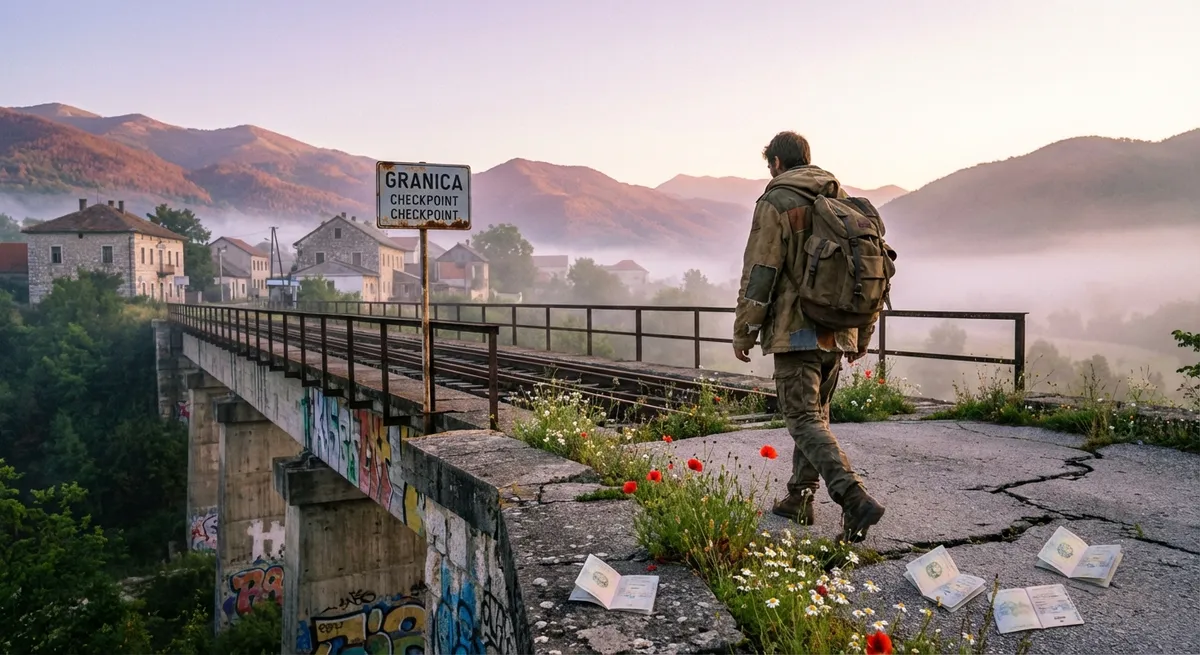
Reimagine “Luxury”: Time-Rich, Money-Light Travel
When you don’t have cash to burn, your greatest luxury becomes time—and how boldly you spend it. Instead of racing through five countries in ten days, build a slow, stretchy itinerary that lets you sink into one region. Fewer border crossings mean fewer transport costs, fewer rushed decisions, and far more chances to stumble into unforgettable moments: a neighborhood festival, a pickup soccer game, a border-town food stall that changes how you think about spices.
Longer stays often unlock weekly or monthly discounts on guesthouses, hostels, or short-term rentals, turning “too expensive” cities into surprisingly affordable bases. Slowing down also makes room for walking instead of Ubering, cooking instead of eating out every meal, and choosing scenic buses or trains instead of pricier flights. As your pace shifts, your mindset does too. You stop trying to collect destinations like trophies and start collecting neighborhoods, café corners, park benches, and faces you remember years later.
Sleep Where Stories Happen, Not Where Towels Are Folded
Budget travel transforms your “accommodation” into part of the adventure. Instead of defaulting to hotels, look for stays that plug you into local life. Hostels with communal kitchens and lounges become story factories where a hike invitation or shared taxi splits can save you money and lead to friends on three continents. Family-run guesthouses pull you into real homes—where dinner might be whatever’s simmering in the kitchen, and the owner’s cousin knows the best cheap viewpoints in town.
Consider work exchanges or volunteer stays that trade a few hours of help for a bed and sometimes meals. Farmstays, eco-lodges, or language-immersion households can stretch your budget while giving your trip a purpose beyond sightseeing. Even night buses and sleeper trains become rolling dorms that save you one night of accommodation and add a moving backdrop outside your window. When you choose places that might be a little imperfect—but filled with people and culture—you replace mini soaps and room service with something richer: a sense of belonging.
Let Street Food and Markets Be Your Map
If you follow a city’s food, you’ll find its heartbeat—and you’ll save a surprising amount of money along the way. Budget travel eats best at street stalls glowing under bare bulbs, tiny family restaurants with plastic chairs, and markets where the line at one stand says more than any review app ever could. Street food scenes in many countries are built on speed, turnover, and low cost, which often means fresh ingredients and recipes refined over generations.
Learn the unspoken rules: go where locals queue, watch what they order, and don’t be afraid to gesture, smile, and point when words fail. Morning markets can double as breakfast spots and cultural crash courses, introducing you to unfamiliar fruits, regional breads, or noodles so cheap you’ll do a double take. Buying groceries to cook a few meals—especially in high-cost cities—can dramatically lower your daily spend while transforming you into a temporary local, wandering aisles, asking questions, and building a relationship with the place through its ingredients.
Turn Transit Into Your Secret Budget Superpower
Every mile you move has two price tags: the money you pay and the insight you gain. Budget travelers learn to read both. Instead of chasing the fastest route, look for the sweet spot where cost, time, and experience intersect. Long-distance buses, regional trains, and shared minibuses often cost a fraction of flights and reveal a version of a country you’ll never see at 30,000 feet: roadside fruit sellers, tiny stations with steaming coffee, border crossings that feel like stepping through time.
Booking overnight journeys can slice out an entire day’s accommodation cost, while traveler passes or rail cards sometimes make extended routes surprisingly affordable. Walking or cycling inside cities isn’t just cheaper; it stretches your sense of place. Suddenly, the distance between landmarks fills with hidden courtyards, back-alley art, and corner bakeries that would never appear on a guidebook’s “must-see” list. Transit stops being dead space and becomes the spine of your adventure, connecting all the small, vivid scenes in between.
Build a Budget That Feels Like Freedom, Not Handcuffs
A powerful budget doesn’t kill spontaneity; it funds it. Before you go, sketch a rough daily allowance that includes food, transport, accommodation, a small “joy fund” for surprises, and a cushion for the unexpected. Instead of obsessing over every coin, track your spending in broad strokes—a notebook, a simple app, or a note on your phone—to spot patterns before they blow up your plans. When you know your limits, saying “yes” to a sunrise boat ride or last-minute concert ticket feels liberating instead of stressful.
Look for “big wins” more than tiny sacrifices: choose a cheaper region for this trip, travel in shoulder season, or base yourself in a less touristy town and day-trip into hotspots. Negotiate kindly at markets and with guesthouses when appropriate, but also learn when prices are fixed or bargaining is culturally insensitive. Travel insurance and an emergency fund might feel like extra costs, yet they protect the entire journey, keeping one misstep from dragging you home. The goal isn’t to spend nothing; it’s to spend deliberately—so each dollar pushes you further across the map and deeper into the story you came to live.
Conclusion
Budget travel is not a consolation prize or a watered-down version of “real” travel. It’s a different lens—a way of moving that trades polished surfaces for raw edges, packaged tours for unplanned detours, and passive observation for active participation. When you accept the small inconveniences—shared bathrooms, slower buses, unfamiliar menus—you unlock bigger rewards: genuine connection, longer journeys, and the exhilarating realization that the world is more accessible than you were ever told.
You don’t need a trust fund to cross oceans. You need curiosity, a bit of courage, and the willingness to let comfort take the back seat while experience drives. The cracks in the world—the overlooked towns, the off-peak seasons, the overnight trains—are wide enough for you to slip through. Pack light, plan just enough, and step out your door knowing this: on a smart budget, the world doesn’t shrink. It opens.
Sources
- U.S. Department of State – Travel Advisory & Safety Information - Official guidance on entry requirements, safety, and travel advisories to help plan secure, budget-conscious trips
- Lonely Planet – Budget Travel Tips - Practical strategies for saving money on transportation, food, and accommodation around the world
- Rick Steves Europe – Money-Saving Travel Tips - Detailed advice on budgeting, avoiding fees, and stretching your travel funds, especially in Europe
- World Health Organization – International Travel and Health - Health-related considerations for travelers, including vaccines and precautions that can prevent costly emergencies
- National Geographic – The Importance of Slow Travel - Explores the cultural and environmental benefits of slower, more immersive travel that often aligns with budget-friendly choices