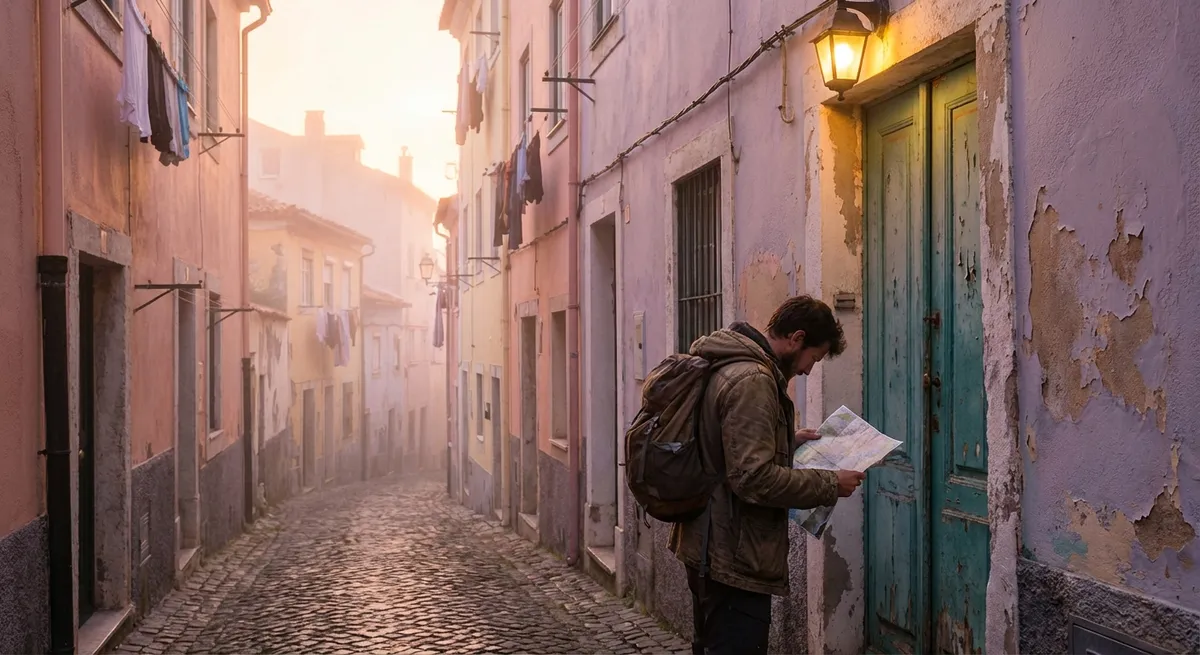
Redefine “Luxury”: Trade Price Tags for Proximity
Real luxury on the road isn’t a five-star lobby—it’s proximity to what you came for.
Choose a small guesthouse steps from a buzzing neighborhood market instead of a polished hotel in a sterile district. Those extra footsteps you’re “saving” at an expensive property? They’re often steps away from the actual soul of the place.
Ask hosts for rooms with balconies, courtyard access, or rooftops instead of marble bathrooms. A “budget” room with a plastic chair and sunrise view over a city skyline or rice field can feel richer than any infinity pool.
Shift your mindset from “cheap” to “essentials-first.” Spend where it changes your experience (safe neighborhoods, convenient transport hubs, meaningful local tours) and strip out what doesn’t: daily housekeeping, giant breakfast buffets, fancy lobbies you barely see. When you let proximity, connection, and character define luxury, the world suddenly becomes far more affordable—and far more interesting.
Ride the Local Pulse: Transit as a Front-Row Seat
Budget travelers don’t just get from A to B; they step straight into the local pulse.
Skip the private transfers and ride what the city rides—metro lines, shared taxis, long-distance trains, ferries with peeling paint and unbeatable views. You’ll hear schoolkids arguing about soccer, aunties balancing impossible baskets, night-shift workers heading home as the sun comes up. This is the soundtrack of a place most tourists never hear.
Overnight trains and buses can turn a long haul into a savings trifecta: transport, a night’s accommodation, and an unwritten chapter of your travel story. Book a reclining seat or basic sleeper berth, pack a warm layer and earplugs, and let the miles roll under you while your budget stretches further.
When you embrace local transit, navigation becomes part of the adventure. Reading foreign route maps, deciphering announcements, asking strangers for directions—these tiny frictions are the sparks that light up your confidence. Every successful ride reminds you: you can figure things out anywhere.
Follow the Food Smoke: Eating Like a Local Without Going Broke
On a budget trip, your taste buds can travel first class even if your wallet doesn’t.
Look for where the air smells like garlic, cumin, or sizzling onions, and where steam rises from makeshift kitchens onto crowded sidewalks. Busy, simple places with handwritten menus or no menus at all are often where the best—and cheapest—food hides. High turnover means fresh ingredients and dishes that locals trust.
Skip the tourist strip and aim for business-lunch joints, university areas, and morning markets. These are where you’ll find big portions at local prices: bowls of noodles for pocket change, plates piled with rice and vegetables, bread still warm from the oven. Street food, when chosen carefully (crowds, cleanliness, cooked-to-order), can be both safe and unforgettable.
Make at least one meal a day an “experience meal.” Not the fanciest restaurant in town—just a place with a story: a family-run kitchen, a multi-generational bakery, a dockside stall that’s been feeding fishermen for decades. When you let food guide your budget decisions, you’re not just saving money; you’re tasting the history and heartbeat of wherever you’ve landed.
Turn Cheap Stays Into Rich Stories
Your accommodation on a budget trip doesn’t have to be forgettable. It can be the anchor of your adventure.
Hostels, homestays, and small guesthouses often bring you closer to conversations, recommendations, and serendipity than big hotels ever do. Common rooms are where you’ll hear about waterfalls not on Google Maps, hole-in-the-wall bars, or local festivals you’d never find alone. One late-night chat over shared snacks can reroute your entire trip—in the best way.
Look for places that offer extras that matter to you: free walking tours, shared kitchens, bike rentals, or family dinners. A simple guesthouse that organizes communal meals or tea time can turn strangers into travel companions and help you split costs on taxis, tours, or car rentals.
When your room is basic, the world beyond the door becomes your living room. Parks become your workspace, beachfronts your lounge, public squares your nightly entertainment. You won’t remember the thread count years from now—but you will remember that evening the guesthouse owner invited you to a local celebration, or the sunrise you watched from a rooftop with people whose names you barely knew.
Treat Time as Your Most Powerful Currency
Money shapes your trip, but time defines its depth.
On a budget, moving slower can unlock possibilities that rushing never will. Weekly apartment rentals or longer stays in smaller towns often cost less per night than constant city-hopping and give you a chance to sink into a place’s rhythm: the café where they start recognizing you, the vendors who slip you an extra piece of fruit, the shortcuts you start taking without thinking.
Choose fewer destinations and let each one expand. Walking instead of constantly grabbing cabs not only saves cash but turns the city into a living museum: street art, side streets, unexpected vistas, stray cats napping on warm steps. Public parks, waterfront promenades, hiking trails, free museums, and community events aren’t just budget-friendly—they’re where everyday life unfolds.
When you invest time instead of money, you gain something most itineraries can’t buy: belonging, however temporary. You stop being a spectator and start becoming a brief thread in the fabric of that place.
Conclusion
Budget travel isn’t a consolation prize—it’s a different doorway into the same world. When you define luxury as connection instead of cost, ride the city’s heartbeat instead of skimming above it, follow the smoke and chatter to your next meal, choose character over polish in your stays, and spend time as deliberately as money, the map stops feeling distant and starts feeling intimate.
You don’t need a limitless budget to live a big, bold life. You just need the courage to step through the side entrance of travel—the one with fewer spotlights, more stories, and a lot more soul—and let the world surprise you at a price you can actually afford.
Sources
- U.S. Department of State – Travel Advisories - Official safety, entry, and travel guidance for destinations worldwide
- Lonely Planet – Budget Travel Tips - Practical strategies and inspiration for traveling affordably
- World Health Organization – International Travel and Health - Guidance on staying healthy while traveling, including food and water safety
- National Geographic Travel - Stories and insights on destinations, cultures, and responsible travel
- Rick Steves – Europe Travel Tips: Money-Saving Advice - Detailed recommendations on cutting costs while maintaining rich experiences in Europe