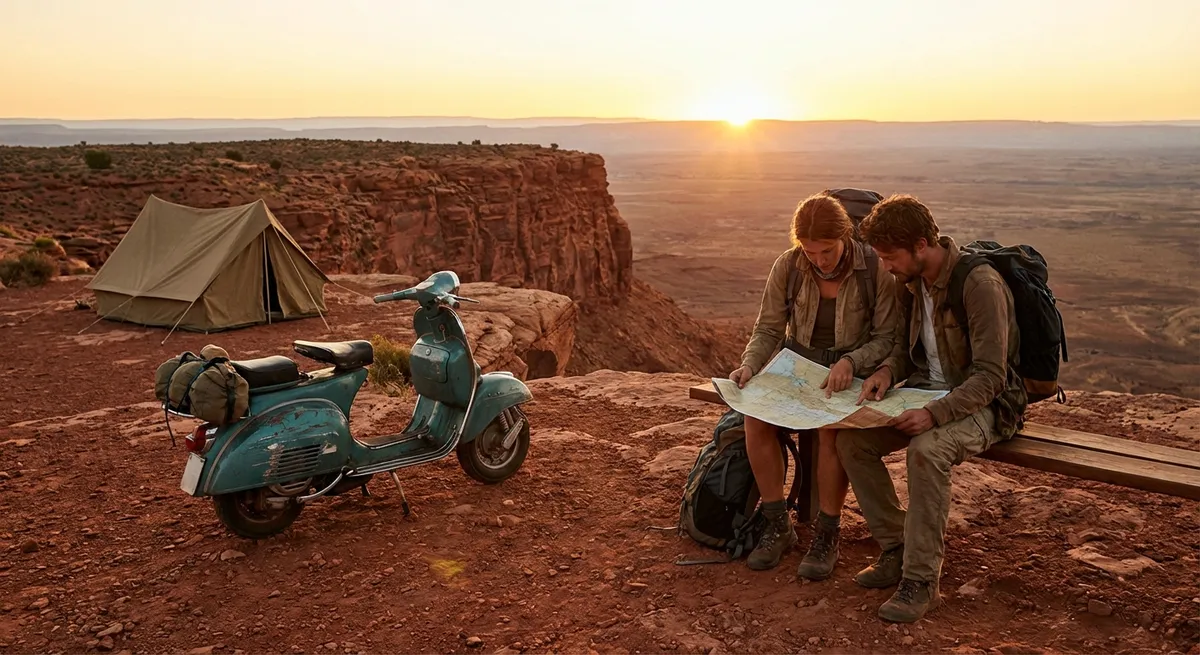
Below are five electrifying ways to stretch your budget without shrinking the adventure—so you can move through the world with more freedom, not less.
Sleep Like a Local, Not Like a Tourist
The moment you stop searching for “perfect hotel” and start looking for “interesting place to sleep,” your budget—and your experience—transforms.
Skip the glossy resorts and look at homestays, hostels with private rooms, and short-term rentals in residential neighborhoods. A family-run guesthouse in Oaxaca, a ryokan-style hostel in Kyoto, or a shared apartment in Lisbon can easily cost half of what a central hotel would—but give you double the cultural connection.
Lean into:
- Neighborhood stays: Pick areas near, not in, the main tourist hub. You’ll often find cheaper rooms, quieter nights, and morning walks where the only crowds are local kids heading to school and bakers pulling fresh bread from the oven.
- Hybrid strategies: Mix a few “treat” nights (like a boutique stay with a rooftop view) with longer stretches in budget lodging. Mentally tag the splurge nights as mini milestones in your trip.
- Community-driven stays: Look for accommodations that run local tours, cooking classes, or language exchanges. You’re essentially getting “social infrastructure” included with your bed.
Your room is just a launchpad. Choose the one that leaves more of your budget available for actual experiences.
Ride the Slow Routes That Locals Rely On
The fastest way isn’t always the richest. Some of the world’s best stories live on night trains, shared minibuses, and ferries where time moves at the speed of conversation.
Instead of defaulting to flights, explore:
- Overnight trains and buses: In Europe, Southeast Asia, and parts of South America, night routes can be both transport and accommodation. A reclining seat or sleeper berth saves you a hotel night and gives you surreal scenes: misty fields at dawn through your window, border crossings under a canopy of stars.
- Regional passes: Rail passes, multi-trip bus cards, or city transit tickets can dramatically lower your daily cost of movement. Once transport is “prepaid,” you’ll feel freer to chase spontaneous detours—an extra beach, a random mountain town, a festival you just heard about that morning.
- Ferries and local boats: In archipelagos and river cities, water is the budget traveler’s secret highway. From slow ferries in the Greek islands to wooden longtail boats in Thailand, these rides often cost a fraction of a tour boat while giving you the same horizon—and a better story.
Traveling slowly forces you into the rhythm of the place. That cadence—long waits, shared snacks, fresh friends—is where real travel begins.
Eat Where the City Breathes, Not Where It Poses
Your food budget can either evaporate in tourist districts or fuel you through days of vivid, unforgettable flavors. The trick is to follow hunger the way locals do.
Instead of checking the “Top 10 Restaurants” list and stopping there, seek out:
- Markets at meal time: Morning markets hum with strong coffee, steamed buns, empanadas, fresh fruit bowls, and street-side grills. It’s often where you’ll find the most authentic dishes for the lowest prices—and a front-row seat to daily life.
- Workday lunch spots: Look for lines of taxi drivers, nurses on break, or office workers on a mission. These places typically balance price, taste, and speed, serving generous plates and daily specials that cost less than a drink in a tourist bar.
- Signature cheap eats: Every region has a “hero” dish that locals love and backpackers whisper about: bánh mì in Vietnam, arepas in Colombia, pizza al taglio in Italy. Build your food strategy around these affordable icons and you’ll dine well without burning your budget.
Treat every meal like a tiny expedition. Ask the vendor what they order, accept that the best food might be served on a plastic stool, and let flavor—not fancy decor—set your compass.
Chase Experiences, Not Souvenirs
When money is limited, what you choose to spend it on becomes a declaration of what matters. Budget travel shines brightest when you invest in experiences that expand you, instead of objects that weigh you down.
Consider reorienting your spending toward:
- Skill-building adventures: A surf lesson in Morocco, a pottery class in Turkey, a forró dance night in Brazil, or a street photography workshop in Berlin. These cost less than luxury tours but stay with you longer because they change what you can do.
- Nature within reach: National parks, city hikes, bike-share explorations, and public beaches often deliver epic views for minimal fees. Sunrise on a free overlook can rival the vista from the priciest rooftop bar.
- Locally led micro-tours: Join free or tip-based walking tours, community-run excursions, or cultural events posted on local boards and social media. You learn a city’s story from people who actually live the chapters.
Instead of buying a decorative mask, go to the festival where it’s worn. Instead of another T-shirt, use that money to hop on a train to the next little town. The best souvenirs are the things you suddenly know how to do—and the places you now see differently.
Turn Constraints Into the Game, Not the Enemy
A limited budget doesn’t have to feel like a chain; it can be the rulebook for an adventure game you design yourself.
Change the way you approach planning:
- Start with what you have, not what you wish you had: Decide how much you can comfortably spend, then work backward. Which regions match that budget? Which currencies stretch farther? This flips the script from “I can’t afford my dream trip” to “What epic trip fits the resources I do have?”
- Pick a daily “flex fund”: Set a clear base budget for food, transport, and lodging. Then give yourself a small, deliberate “wildcard” amount each day (even $5–$10) reserved for something spontaneous—a local dessert, a kayak rental, a museum you hadn’t planned on. This keeps your days feeling open, not restricted.
- Gamify your savings: Challenge yourself to find the best cheap view, the tastiest sub-$5 meal, or a free activity in every destination. Document these wins like trophies; they make your journey more creative and infinitely more shareable.
In the end, budget travel isn’t about saying no—it’s about saying a more intentional yes. You’re not cutting joy; you’re carving away the noise so the real magic of the road can move in.
Conclusion
When you realize that smart choices can buy you more time, more movement, and more human connection, budget travel stops feeling like a compromise and starts looking like a superpower. You sleep in places where life actually happens, move at a pace that lets stories unfold, eat where flavor is louder than price, and trade stuff for experiences that widen your world.
You don’t need a perfect plan or a padded bank account to begin. You just need the willingness to chase the road that your current budget can open—and the courage to trust that once you start, the journey will teach you the rest.
The map is waiting. Set your compass to “yes” and let your budget amplify, not limit, the size of your adventure.
Sources
- U.S. Department of State – Travel Advice and Resources - Official safety, visa, and advisory information to help budget travelers plan responsibly
- Eurostat – Comparative Price Levels of Consumer Goods and Services - Data that helps travelers understand relative costs between European countries
- World Bank – World Development Indicators: International Tourism Expenditure - Research-based insights on tourism spending patterns across regions
- Lonely Planet – Budget Travel Tips - Practical guidance from a major travel publisher on traveling well for less
- National Park Service (NPS) – Find a Park - Official resource for discovering low-cost and free outdoor experiences in U.S. national parks