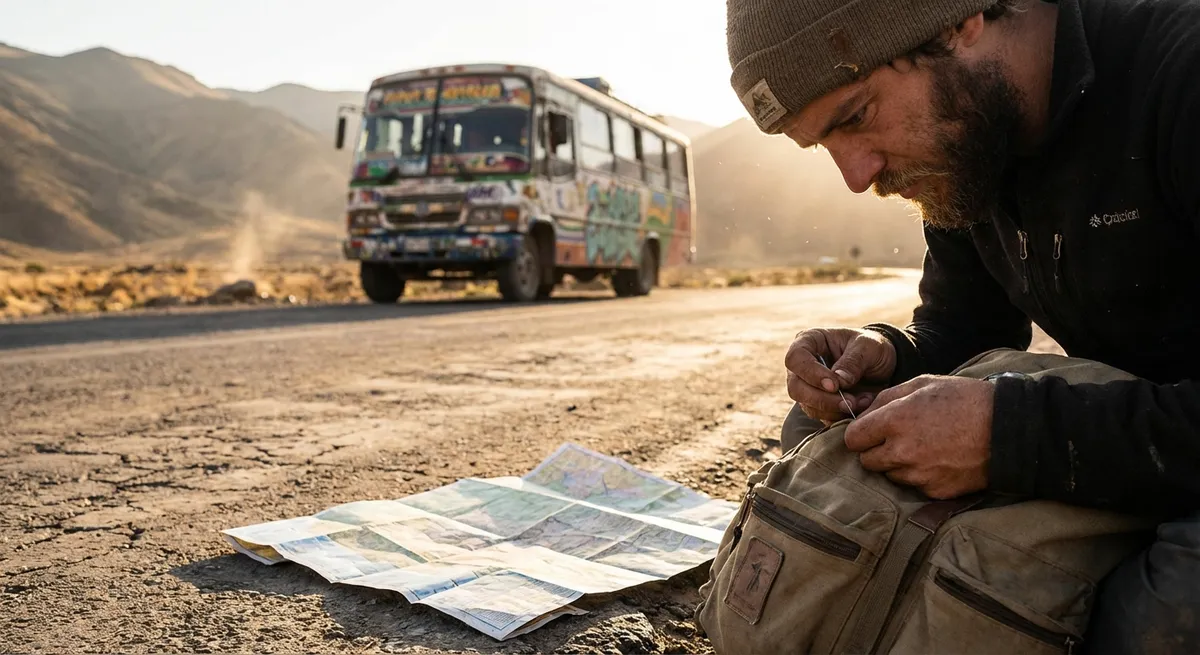
Below are five captivating budget-travel moves that don’t just save money; they flip your whole idea of what a “dream trip” can look like.
1. Sleep Where the Story Is, Not Where the Lobby Shines
Luxury isn’t marble floors—it’s waking up inside a place that feels alive. Instead of defaulting to bland hotels, aim for stays that plug you straight into the local current.
Guesthouses on family farms where the host brings you fresh bread at sunrise. Hostels in centuries-old buildings where the common room is a nightly festival of accents and itineraries. Monastery rooms in Europe, beach bungalows in Southeast Asia, couch-surfing in artists’ apartments—these are not downgrades; they’re upgrades in connection.
Practically, this can mean:
- Targeting hostels with great reviews for atmosphere, not just price, and choosing smaller dorms or private rooms if you need quiet.
- Using trusted platforms (like Hostelworld, Booking, or official religious guesthouse sites) to book hostel beds, monastery stays, or pilgrim hostels.
- Checking university dorm rentals in summer in cities like London or Boston, when campuses open rooms to travelers at student prices.
- Mixing it up: a few nights cheap and social, followed by a strategically chosen splurge in a unique stay (houseboat, cave room, historic inn).
You’re not just saving money—you’re trading anonymous comfort for stories you’ll still be telling ten years from now.
2. Turn Transit into the Adventure, Not the Obstacle
Most travelers treat transportation as the boring bridge between “real” experiences. Budget travelers flip that: the bus, the train, the slow ferry—they are the experience.
Long-distance trains in Europe or India become moving villages where chai vendors, families, and backpackers share space and stories. Night buses in South America wind through mountain passes as stars burn above you. Slow ferries in Greece or Indonesia let you drift between islands, watching entire worlds slide by.
Ways to transform transit into adventure while keeping it cheap:
- Choose regional trains or buses over fast trains and flights when possible; they’re usually cheaper and more scenic.
- Use overnight routes to save on a night’s accommodation (just bring earplugs, layers, and a neck pillow).
- Check rail or bus passes (like Eurail, Japan Rail Pass alternatives, or regional bus passes) and compare them with individual tickets using a spreadsheet.
- Sit where the view is: window seats, open-deck ferries, front of the bus to watch the road unfurl.
When movement becomes part of the magic, you stop rushing and start traveling.
3. Hunt for Flavor in Markets, Not Menus
On a tight budget, food is where many people start cutting corners—instant noodles in hostel kitchens, fast food chains near train stations. But low-cost doesn’t have to mean low-soul. Travel flavor doesn’t live in the “Top 10 Restaurants” list—it lives where people shop, snack, and gossip.
Street food stalls sizzling at midnight in Bangkok. Family-run bakeries in Lisbon selling still-warm pastéis. Mercado counters in Mexico City where you eat tacos standing up, elbows on cool steel. These places are often a fraction of the price of restaurants, but give you a full-immersion ticket into everyday life.
To eat wildly well without going broke:
- Aim for markets, bakeries, street food stands, and small local cafés where the menu isn’t translated for tourists.
- Follow the locals: busy stalls with high turnover are (usually) safe, fresh, and flavorful.
- Shop grocery stores for breakfasts and picnic lunches, then choose one special local meal out each day.
- Look up local specialties beforehand, so you know what to ask for and where it’s usually cheapest (markets and neighborhood spots, not the main square).
Budget food doesn’t have to look like sacrifice. Done right, it feels like a backstage pass to the culture that visitors paying triple never see.
4. Let Free Experiences Be the Backbone of Your Trip
Many cities and regions are an open-air museum, and you don’t need a platinum card to access their best parts. The most memorable moments often cost nothing: dawn hikes, rooftop sunsets, street musicians, spontaneous festivals, riverside walks that unravel a city’s personality step by step.
Instead of building your trip around a handful of expensive attractions, design it around free or nearly free experiences, then sprinkle in a few paid highlights that really matter to you.
Start with:
- Free museum days or hours (many major museums offer these weekly or monthly).
- City walking tours, often tip-based, which deliver deep local context for the cost of what you’d spend on a mediocre lunch.
- Urban nature: city parks, rivers, harbor walks, urban hiking trails, public viewpoints.
- Cultural events: open-air concerts, religious festivals, local markets, public performances—found on city tourism boards or community calendars.
- DIY themed walks: architecture walks, street art hunts, movie-location trails using offline maps and a bit of research.
When you stop equating value with ticket prices, a whole new world of budget-friendly wonder opens up.
5. Design “Anchor Moments” Instead of Expensive Itineraries
The biggest trap in travel planning is trying to do everything. You stuff your days with paid tours, tickets, and ticking boxes—then wonder where all your money and energy went. Budget travelers play a different game: instead of buying more, they choose a few anchor moments and build the trip around them.
An anchor moment is a single experience that lines up with what you crave most: hiking a particular trail, watching the northern lights from a dark field, sharing a home-cooked meal with a local family, learning to surf, listening to fado in a tiny bar, taking a regional cooking class.
How to build budget brilliance around anchor moments:
- Identify 2–4 must-have experiences for your whole trip. Not “things you think you should do,” but things that genuinely light you up.
- Allocate your budget so these get priority—even if it means cutting three or four lesser attractions.
- Surround each anchor with low-cost days: self-guided walks, market lunches, picnics, free parks, swimming spots, libraries, neighborhoods.
- Leave purposeful gaps in your schedule for serendipity: invitations, new friends, unexpected events, changing your mind.
When you travel like this, your trip feels rich not because you spent big, but because you were intentional. Your memories won’t be of standing in line—it’ll be those sharp, bright, anchor moments where everything clicked into place.
Conclusion
Budget travel is not a consolation prize; it’s the raw, unscripted version of the journey you’ve always wanted. It asks you to swap polished predictability for connection, creativity, and a little bit of wildness—but it gives you something priceless in return: proof that you don’t have to wait for more money, more status, or more “readiness” to start living the life you want.
Sleep where stories are born, turn the road into a character in your trip, chase flavor in markets, let free experiences carry you, and design bold anchor moments that make your heart race. Your budget is not your limit—it’s your launchpad.
The question isn’t “Can I afford to travel?” It’s “What kind of traveler do I want to become?”
The next move is yours. Hop next.
Sources
- U.S. Department of State – Travel Advisory & Safety Information - Official safety guidance and country-specific information, essential for planning budget routes responsibly
- Eurail Official Site - Details on rail passes, routes, and cost comparisons for train travel across Europe
- Japan National Tourism Organization – Transportation Guide - Clear breakdown of Japan’s rail and bus systems, including budget-friendly options
- BBC Travel – The Secret Joys of Slow Travel - Explores the benefits of slower, more immersive travel styles that pair naturally with budget trips
- Lonely Planet – Budget Travel Tips - Practical, up-to-date strategies for saving money on accommodation, food, and activities worldwide