Below are five powerful ways to travel on a budget that still feels unforgettable, each one designed to pull you closer to the real pulse of a place—without draining your bank account.
1. Sleep Where the Stories Are, Not Where the Logos Shine
High‑end hotels can be beautiful, but they often feel like nowhere in particular—same sheets, same lobby, same playlist. On a budget, you get to sleep where the stories live.
Hostels, guesthouses, and family‑run stays are the front door to a city’s soul. In a hostel common room, you might meet a cyclist who crossed three borders last week, or a writer on a months‑long journey funded by teaching English online. In a guesthouse, your host might walk you to the market, explain which stall has the freshest fruit, and slip you the kind of local tip no concierge can match. Many budget stays include shared kitchens, rooftop terraces, and free events like walking tours or language exchanges, which multiply your experiences without multiplying your costs.
Look for accommodations close to public transit or in walkable neighborhoods—being able to wander out the door and into daily life is priceless. Choose smaller, character‑filled places with reviews that mention atmosphere, cleanliness, and community. Your bed is more than a place to crash; it’s a launching pad into friendships, late‑night rooftop talks, and sunrise streets you’ll remember for years.
2. Eat at Eye Level: Follow the Locals, Not the Listings
Budget food isn’t an afterthought—it’s one of the best reasons to travel cheaply. When you eat where everyday life happens, every meal becomes a story, not a line‑item expense.
Skip the most touristy plazas and walk a few streets away, where plastic stools, hand‑written menus, and sizzling woks or charcoal grills set the soundtrack. This is where you find dishes that don’t have Instagram fame but do have decades of local love behind them. In many cities, street food and neighborhood cafés offer fresh, authentic meals for a fraction of restaurant prices—think tacos from a family stand in Mexico City, pho from a steaming corner stall in Hanoi, or a bowl of pasta at a no‑frills trattoria in a side street of Rome.
Choose places that are busy with locals and have a fast turnover—that’s your best indicator of both quality and safety. Markets can be a goldmine: buy bread, fruit, cheese, or local specialties and turn a park bench into your personal dining room with a view. Eating at “eye level”—where residents eat, shop, and chat—anchors you in the real rhythm of the destination while keeping your budget on track.
3. Let Transit Become Your Front‑Row Seat
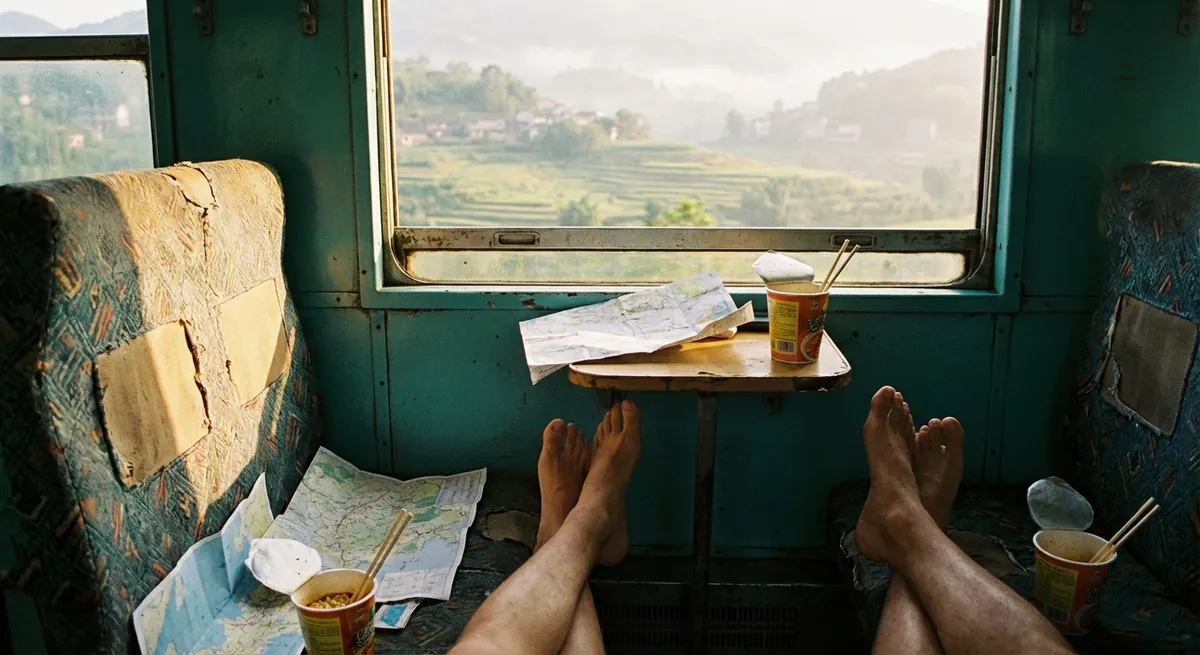
Flying is efficient, but buses, trains, trams, and ferries are where the secret life of a place unfolds. Budget travelers learn early: transit isn’t just a way to get from A to B—it’s an open‑air documentary.
On a long‑distance train, you watch the scenery change frame by frame, from dense city blocks to fields, mountains, or coastline you’d never see from a 30,000‑foot window. On a city bus, you get a perfect cross‑section of real life: schoolkids nodding off with backpacks as pillows, workers scrolling the news, grandparents carrying bags from the market. Ferries and local boats often cost a fraction of a tour but deliver the same glittering skylines, island chains, or riverfront views.
Research day passes or transit cards—they can slash your daily costs and turn “just getting around” into a relaxed, unhurried exploration. Embrace the occasional wrong stop or missed connection; those unscripted detours often lead to unexpected neighborhoods, impromptu chats, and small discoveries that no guidebook lists. When you travel this way, the journey stops being background noise and becomes the main event.
4. Chase Experiences, Not Souvenirs
When your budget is tight, you’re forced to choose what truly matters—and that can transform the way you travel. Instead of loading a suitcase with souvenirs, you can fill your memory with moments that keep expanding long after you’re home.
Look for free or low‑cost experiences that plug you into the heart of a place: sunset viewpoints instead of rooftop bars, local festivals instead of paid performances, hiking paths over pricey excursions. Many museums have free days or reduced evening entry; city parks turn into living rooms full of music, pick‑up games, and families; waterfronts and viewpoints offer million‑dollar vistas for the cost of getting there. Walking tours (especially tip‑based ones) often deliver rich history and quirky stories while keeping your spending flexible.
Ask yourself: in five years, what will I remember more—another branded t‑shirt or the night I shared snacks with strangers at a public concert, or watched a city glow from a hilltop? When you travel on a budget, you become an experience collector, not a stuff collector, and your stories become your most valuable souvenirs.
5. Design Flexible Days and Let Serendipity Do Its Work
Expensive trips often come crammed with pre‑booked tours and rigid schedules—everything planned, nothing to discover. Budget travel invites a different strategy: set the direction, then leave space for the world to surprise you.
Start with a rough outline: where you’ll sleep, how you’ll arrive, and a handful of must‑see sights. Then keep generous blanks in your day. Those blanks are where strangers become friends, side streets become detours, and a “quick coffee” in a local café turns into a three‑hour conversation with a local who redraws your entire map. Flexibility lets you pounce on last‑minute deals, free events, or an invitation you never could have planned for.
Traveling this way also makes you more resilient and creative. Miss a train? You’ve just been handed a few bonus hours in a town you barely glanced at. Rain cancels your hike? Maybe you end up in a tiny library, at a cooking class, or trading stories with fellow travelers over tea. With a flexible mindset and a modest budget, every twist in the road can become part of the adventure, not a derailment.
Conclusion
Budget travel isn’t about cutting joy; it’s about cutting what numbs it. When you stay where stories live, eat at eye level, treat transit as a front‑row seat, chase moments over merchandise, and leave room for serendipity, your costs shrink but your world expands. You learn that you don’t need luxury to feel rich—you need curiosity, a bit of courage, and the willingness to show up fully wherever your feet land.
The next time you think, “I can’t afford to travel,” flip the script: you can’t afford not to meet the version of yourself that shows up when every dollar is intentional and every day is a small, wild leap into the unknown. Pack light, aim your compass, and let your budget become the boundary that forces your imagination to go further.
Sources
- World Bank – International Tourism, Number of Arrivals – Global context on how many people are traveling and where tourism is growing
- U.S. Department of State – Travel Advisory & Country Information – Essential safety, entry, and local condition details for planning budget‑friendly trips responsibly
- Lonely Planet – Budget Travel Tips – Practical strategies from an established travel guide brand on saving money while exploring more
- Rick Steves’ Europe – Money-Saving Tips – Detailed advice on cutting costs in Europe without missing out on key experiences
- UNESCO World Heritage Centre – World Heritage List – Official listing of culturally and naturally significant sites, many of which can be visited on a budget