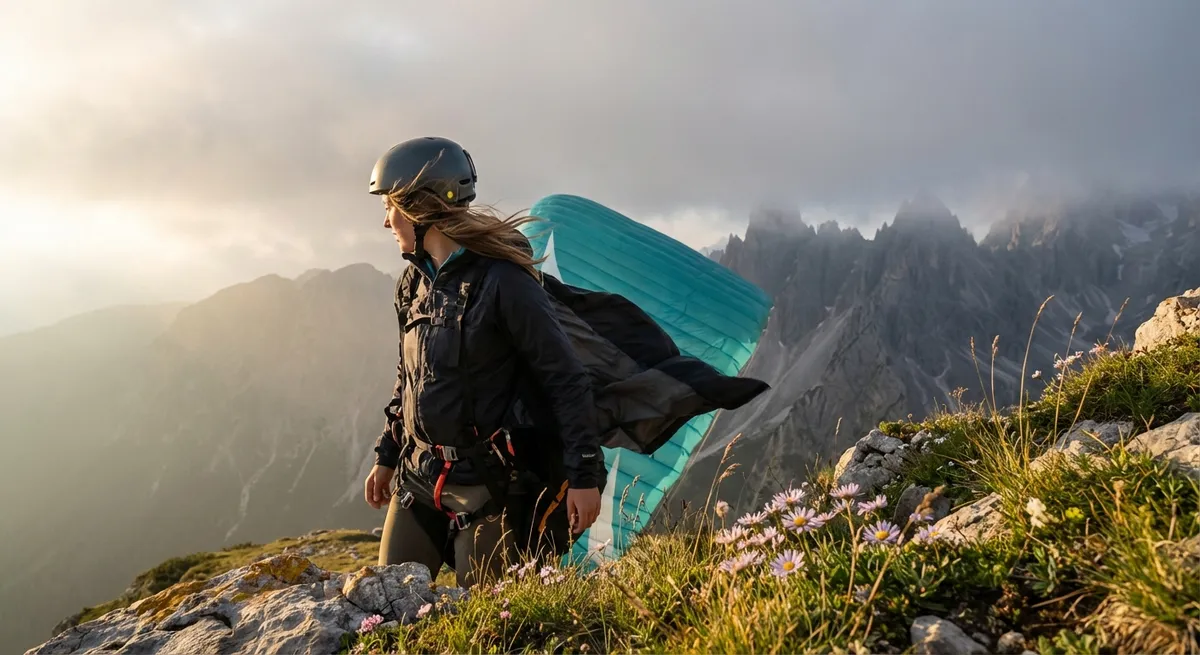
Below are five adventure ideas that don’t just look good in photos—they’ll change the way you move through the world.
1. Sleep Where the Sky Never Switches Off
Imagine crawling into your sleeping bag while the horizon is still lit in orange, even though your watch insists it’s close to midnight. Or stepping outside a mountain hut to find the Milky Way spilling across the heavens so bright you can see your shadow. Chasing extraordinary skies—midnight sun, polar night, or epic starfields—turns a simple trip into something almost otherworldly.
In places like northern Norway or Iceland in summer, the sun barely dips below the horizon, inviting late-night hikes, sea kayaking, or cycling when most of the world is asleep. In the opposite season, long winter nights near the Arctic Circle become a theater for the northern lights, where patience and warm layers are rewarded with curtains of green and violet dancing above you. Prefer warmth? Head to certified Dark Sky Reserves in deserts or high plateaus—like parts of Utah or New Zealand’s South Island—where light pollution melts away and the stars feel close enough to touch. The practical key: layer up, carry a headlamp, and always have a flexible plan; nature runs the show here, and that’s exactly the point.
2. Follow Water From Its Wildest Source to Its Quietest Secret
Water is the original storyteller of our planet—it carves mountains, feeds cities, and shapes entire cultures. Building an adventure around a single river, coastline, or waterfall transforms your journey into a living, flowing narrative. Start where the water is wild and loud, and trace it all the way to where it slows and disappears into the sea or a quiet lake.
This might mean trekking near the source of a famous river in the highlands, then paddling a calm downstream section days later. Or it could be a multi-day coastal journey: surfing morning breaks, snorkeling with reef fish at midday, then sharing seafood with local fishers at dusk. Kayaking expeditions offer an intimate way to follow water’s path—you move at nature’s speed, noticing birds, currents, and subtle changes in the landscape that road travel misses. For safety and environmental respect, research local guides, understand seasonal conditions, and learn Leave No Trace practices so your presence doesn’t disturb the very waters you came to admire.
3. Let a Local Festival Rewrite Your Sense of Time
Most travelers plan around weather; adventurers also plan around rhythm. Every community on Earth keeps time differently—through harvests, lanterns, drums, pilgrimages, or street parades. Align your journey with a local festival and suddenly you’re not just seeing a place; you’re moving with its heartbeat.
Landing in a city on the eve of a major celebration can feel like stepping into a movie set: streets draped in color, music rising from alleyways, strangers pouring out of homes with food and stories. Smaller, lesser-known festivals can be even more powerful—maybe a regional harvest fair where farmers bring in their season’s best, or a mountain village celebration marking the return of migrating animals. To do this ethically, read about the festival’s cultural meaning before you go, dress respectfully, ask before taking photos, and support small, local businesses. You’re not there as a spectator only; you’re a temporary participant in someone else’s cherished tradition.
4. Trade Straight Lines for Wild Trails
Adventure starts the moment you stop racing for the fastest route and begin choosing the most interesting one. Trails—whether they’re ancient pilgrimage paths, jungle tracks trodden for centuries, or remote ridgelines—offer a direct connection to the land that roads rarely can. Step away from straight lines and you’ll discover landscapes that unfold slowly, revealing their secrets one footstep at a time.
Multi-day treks are like moving meditations. With each day’s rhythm—walk, eat, rest, repeat—your senses sharpen. You begin to notice the crunch of different soils under your boots, the way clouds gather before an afternoon storm, the distinct scent of pine, dust, salt, or alpine flowers. Start with established routes that match your fitness level, and always respect altitude, weather forecasts, and local regulations. Invest in reliable footwear, learn basic navigation, and let someone know your plan. Trail adventures reward preparation with a feeling of freedom you can’t download or stream—you have to earn it with sweat and curiosity.
5. Design a “Skill Quest” That Ends in a Real-World Test
One of the most powerful adventures you can take is built around a skill you don’t have—yet. Instead of just visiting a place, arrive with the intention to learn something that pushes your comfort zone and then test it for real. This turns your trip into a personal quest rather than a checklist.
You might sign up for a mountaineering course in a mountain town, then cap it with a guided ascent of a beginner-friendly peak. Or spend a week learning scuba skills on a reef, ending with a deeper dive to see a shipwreck or an underwater canyon. Urban explorers can do the same: a street photography workshop that culminates in shooting a nighttime festival, or a cooking class that ends with you shopping and haggling alone in a bustling market. The combination of learning plus a real challenge hardwires the memory of place into your muscle and mind. Do your homework—choose reputable schools or guides, check certifications, and respect your limits. Fear is part of the process; so is the thrill of discovering you can do more than you thought.
Conclusion
Adventure isn’t reserved for the fearless or the endlessly wealthy—it belongs to anyone willing to trade predictability for presence. Sleep under strange skies, trace water’s journey, align with local rhythms, follow trails instead of highways, and let learning become your compass. The world is still full of edges where wonder waits patiently for you to show up.
Your next step doesn’t have to be perfect; it just has to be real. Pick one of these ideas, sketch a rough plan, and let the details sharpen as you move. The moment you decide to ride the edge of wonder, you’re already on the trail.
Sources
- International Dark-Sky Association – Dark Sky Places - Official listings and information on certified dark sky parks and reserves around the world
- Norwegian Tourism (Visit Norway) – Midnight Sun - Explains when and where to experience the midnight sun in Norway, with practical tips
- National Park Service – Leave No Trace Principles - Outlines core guidelines for minimizing impact while hiking, camping, and exploring natural areas
- PADI – Learn to Dive - Overview of scuba certification courses, safety standards, and how to choose a reputable dive center
- Camino de Santiago (Oficial) – The Routes - Example of a historic long-distance walking route, with detailed guidance on stages, safety, and preparation