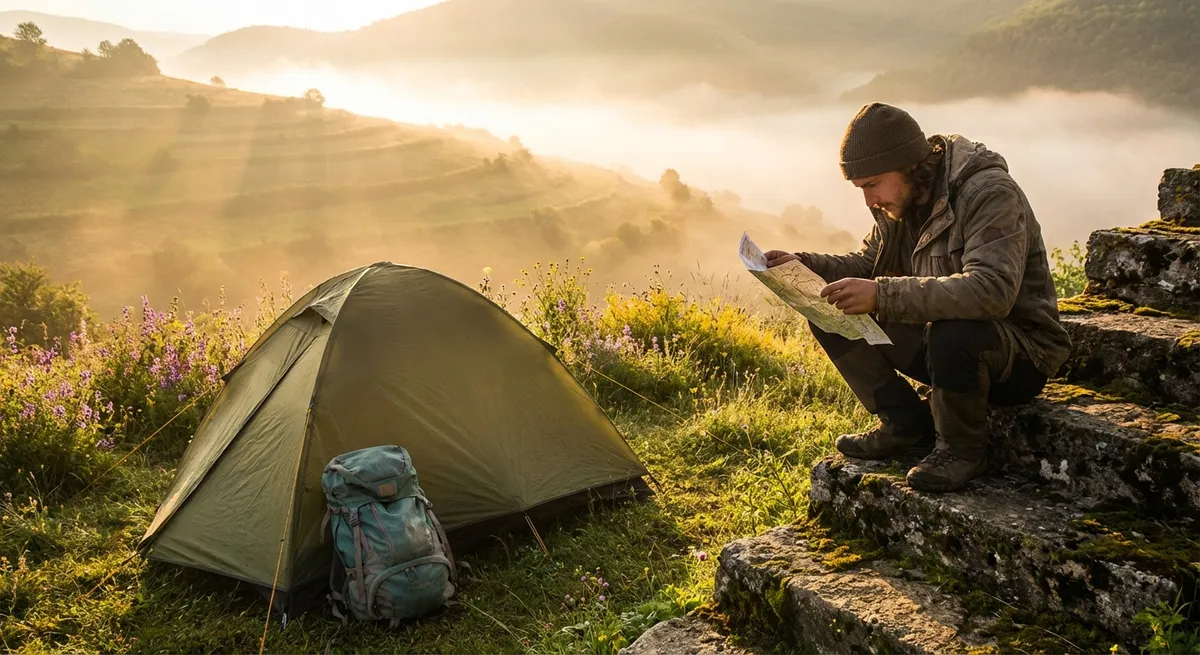
Below are five powerful shifts that turn a “cheap trip” into a bold, unforgettable journey—without draining your account.
Trade Famous Postcodes for Fringe Neighborhoods
The postcard center of a city is usually built for visitors’ wallets, not their curiosity. Just beyond, in the fringe neighborhoods, a different story unfolds: fruit stalls stacked under tangled power lines, kids playing football in alleys, tiny bakeries opening before dawn for locals heading to work.
Instead of booking the nearest room to the main square, draw a loose circle two or three metro stops out. Look for districts with good public transport, parks, and markets rather than deluxe shopping streets. Staying there often cuts your lodging cost dramatically while surrounding you with everyday life instead of tourist queues.
This shift also changes how you move. You’ll start your day on a tram instead of in a taxi, watch commuters instead of tour buses, and discover family-run eateries that never appear on “must-eat” lists. Your money flows into communities actually living there, and in return you get stories of real life in the city—morning routines, neighborhood gossip, the best cheap lunch spot whispered to you by someone who’s eaten there for a decade.
Budget travelers who learn to love the “second ring” of a city often find they remember those street corners more vividly than any famous skyline.
Build Your Trip Around One Obsession, Not Ten Attractions
Most itineraries look like a checklist: see everything, remember nothing. Instead, design your budget adventure around a single obsession that lights you up—street food, mountain trails, live music, ancient ruins, urban skate parks, secondhand bookstores, whatever makes you lose track of time.
When you choose a theme, your planning changes. Instead of chasing the top-10 sights, you chase experiences connected to your passion. Quiet neighborhood food markets instead of pricey rooftop bars. Free hiking trails instead of packaged tours. Local open-mic nights instead of high-ticket shows. You spend less because you’re filtering out everything that doesn’t serve your obsession.
A music-focused traveler might map out free or low-cost concerts, practice sessions in community centers, and tiny venues where bands play for the price of a beer. A trail-obsessed wanderer might orient trips around national parks, local hiking clubs, and off-season mountain towns with slashed accommodation prices.
The result is a leaner budget and a richer memory. You stop measuring a trip by how many landmarks you “bagged” and start measuring by how deeply you sank into something you love. That focus transforms a cheap getaway into a personal quest.
Let Slow Travel Be Your Biggest Discount
Time is every traveler’s quiet superpower. When you rush, you pay more—for last-minute flights, express trains, taxis, and convenience food. When you slow down, doors open: cheaper buses, long-stay rentals, weekday deals, and invitations you never see when you’re sprinting.
Instead of hopping across three countries in five days, choose one region and stretch your stay. Weekly or monthly passes for public transport can slash your costs. Cooking even one meal a day in a hostel kitchen or guesthouse instantly changes your budget curve. Longer stays often unlock discounts on rooms, co-working spaces, and tours because you become more than a one-night blur; you feel like a temporary local.
Slowing down also reduces the “hidden fees” of travel: exhaustion, constant re-packing, and wasted days where you’re too tired to enjoy anything. You trade three rushed snapshots for one place you actually get to know—where the barista recognizes you by your second morning, and you start to sense the rhythm of the streets.
In a world that romanticizes the fastest route and the most countries checked off, slow travel is a gentle rebellion—and one of the most reliable budget hacks you can use.
Follow Local Rhythms Instead of Tourist Timetables
Every destination has two schedules. One is built for tourists: peak hours, pricey weekends, “sunset specials,” and high-season crowd surges. The other is the local rhythm—a quieter, cheaper current that most visitors never bother to learn.
Budget adventurers learn to synchronize with the second one.
That might mean visiting major sights early on weekday mornings when entry lines are shorter and some museums offer free or discounted hours. It could be aligning your trip with shoulder seasons—just before or after peak months—when accommodation prices drop, temperatures soften, and locals have more time to talk.
It also means paying attention to local workdays, prayer times, festivals, and market schedules. Maybe the freshest, cheapest food appears at a dawn fish market. Maybe the city empties at midday when the heat spikes, and returns buzzing after dark with food stalls and street music. Aligning with these rhythms can lead you to free public events, affordable street performances, and community celebrations that no tour operator can promise.
When you let the local clock, not the guidebook, decide your pace, you save money and gain something rarer: the feeling of being carried by the life of the place rather than pushing against it.
Replace Expensive Comfort With Intentional Challenges
Much of what drains a travel budget is comfort bought by habit, not need: taxis instead of buses, hotel buffets instead of market stalls, private rooms instead of dorms, name-brand everything instead of local alternatives. These aren’t “bad” choices—but each one trades potential adventure for a bit more insulation.
An intentional budget traveler doesn’t avoid comfort—they choose when it truly matters.
Decide in advance which challenges you’re willing to embrace. Maybe you commit to taking only public transport in cities, even when it feels confusing at first. Perhaps you swap chain cafés for whatever tiny place is full of locals, even if the menu isn’t in your language. You might choose to try overnight buses or trains, saving on lodging and watching landscapes change out the window as the world sleeps.
These decisions create stories. The time you got lost on a suburban bus line and a stranger walked you back to your guesthouse. The night you shared snacks and broken conversation in a train compartment. The tiny diner where the cook taught you a new word for “delicious.”
By leaning into calculated discomfort, you lower your costs while raising your capacity for surprise. That combination is the heartbeat of budget adventure.
Conclusion
Budget travel isn’t a consolation prize for people who “can’t afford real trips.” It’s a different philosophy altogether: trading extravagance for immersion, speed for depth, and expensive certainty for the wild, generous unknown.
When you stay in fringe neighborhoods, travel slowly, align with local rhythms, chase a single obsession, and welcome a bit of discomfort, your journey stops being a transaction and becomes a transformation. The price tag shrinks—but the world you step into feels infinitely larger.
Pack light, carry curiosity, and leave room in your schedule and your budget for everything you can’t yet plan. That’s where the real adventure lives.
Sources
- U.S. Bureau of Labor Statistics – Consumer Expenditures on Travel - Data on how travelers typically spend money, useful for understanding where budget savings can come from
- UNWTO (World Tourism Organization) – Tourism Statistics - Global tourism trends, including seasonality and travel patterns that affect prices
- National Park Service – Plan Your Visit - Official guidance on visiting U.S. national parks, including free days and low-cost options
- Rick Steves’ Europe – Money-Saving Travel Tips - Practical advice on budget-minded travel in Europe, emphasizing slow and local-focused approaches
- Lonely Planet – Budget Travel Advice - Curated tips for stretching your travel budget while still having rich experiences