Redefine “Luxury”: Trade Price Tags for Rich Moments
Luxury on the road isn’t the thread count of your sheets—it’s the freedom to shape your own days.
Instead of chasing glossy bucket-list checkboxes, build your trip around experiences that don’t need a platinum card to feel priceless. Swap infinity pools for wild coastlines at sunrise, when the sea is still whispering secrets and the beach is yours alone. Trade rooftop cocktail bars for a grocery-store picnic overlooking a city skyline, where local cheese and street musicians become your soundtrack.
When you focus on rich moments instead of rich aesthetics, your budget automatically stretches. Walking tours (often free or tip-based) reveal stories that guidebooks miss. Public parks become your living room and gym. Neighborhood bakeries turn into your breakfast ritual—still warm bread, coffee in a paper cup, and a front-row seat to everyday life.
Reframe your mindset: you’re not “missing out” on luxury; you’re upgrading to a different kind of abundance—the kind you actually remember.
Sleep Smarter: Creative Stays That Save Cash and Spark Stories
Where you sleep can be the difference between a trip that bleeds your savings and a journey that keeps rolling. But saving money doesn’t mean signing up for misery.
Hostels aren’t just for twenty-somethings anymore; many now offer private rooms, coworking spaces, and community dinners. You pay less, meet more people, and collect travel tips over shared kitchen tables. Guesthouses and homestays give you a key into real neighborhoods—where your host might tip you off to the hidden noodle stall or the viewpoint locals keep to themselves.
If you’re flexible, house sitting and pet sitting let you live in real homes—watering plants in Lisbon or walking a dog in Melbourne—in exchange for care instead of cash. In some regions, family-run ryokans, pensiones, or riads can feel more atmospheric than hotels at a fraction of the cost.
The secret is to choose accommodations that offer more than just a bed: a built-in community, local knowledge, or a unique setting. Those late-night rooftop chats, courtyard breakfasts, and kitchen-table language lessons often become the chapters you replay long after you’ve gone home.
Move Like a Local: Transit Hacks That Turn the Journey into the Adventure
Transportation is where many budgets quietly explode—but it’s also where the trip comes alive if you’re willing to ride how locals ride.
Instead of hopping straight into taxis or ride-shares, learn the rhythm of buses, trains, ferries, and metro systems. Weekly or day passes can slash your costs and free you to wander without thinking about each fare. Long-distance buses and trains often cost less than flights and give you front-row seats to changing landscapes—rice paddies blurring into mountains, desert flattening into sea.
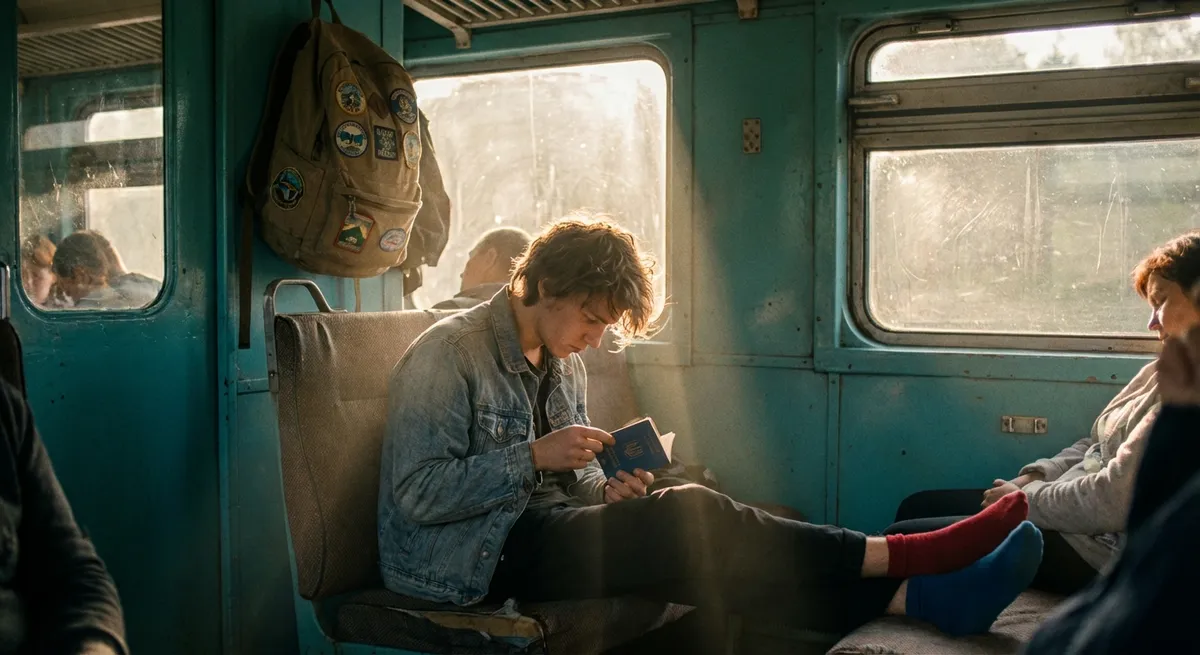
Night buses and sleeper trains can double as accommodation, buying you both distance and a free “hotel” night. Just pack earplugs, a light scarf or layer, and a small lock or anti-theft bag for peace of mind. In walkable cities, your feet become your favorite budget tool: each step is a chance to discover alleyway cafes, murals, and parks that don’t show up on search results.
By moving like a local, you don’t just save money—you learn the city’s pulse, its rush-hour chaos and midnight quiet, and you stop skimming over a place and start feeling how it actually lives.
Eat With Curiosity, Not FOMO: Flavor-Filled Meals on a Lean Budget
One of the fastest ways to burn through your budget is to eat every meal like you’re on a culinary TV show. But tasting a country doesn’t require dining like a celebrity.
Make lunch your main “splurge” meal when restaurants often offer cheaper set menus, then keep dinner simple with street food, bakeries, or self-catered meals from local markets. Visit supermarkets—not just to save, but to see what everyday life tastes like: mystery snacks, regional cheeses, local fruit that never makes it to your home country.
Street food stalls where locals line up are often safer and more flavorful than overpriced tourist spots. Follow the crowd, look for freshly cooked dishes, and choose places that look clean and busy. Your most memorable meals might be eaten standing at a counter, sitting on a curb, or on a park bench as the city strolls past.
If you have access to a kitchen, cooking one or two meals a day buys you room to say “yes” when a new friend invites you to a restaurant or you stumble upon a tiny eatery that smells too good to resist. Budget travel isn’t about saying no to food—it’s about choosing the flavors that matter most.
Design Days Around What’s Free (or Almost Free)
In most destinations, an incredible amount of wonder doesn’t cost anything—if you design your days with intention.
Many world-class museums offer free or discounted entry on certain days or hours. City passes can bundle transport and attractions for far less than paying separately, especially if you plan ahead. Public beaches, hiking trails, viewpoints, and historic neighborhoods are nature’s and history’s way of saying, “Adventure doesn’t need a ticket.”
Self-guided walking routes, downloaded offline maps, and audio guides let you build your own tour. Sit on a plaza bench and people-watch, linger in markets without buying anything, join free community events or outdoor concerts. Libraries, university campuses, and cultural centers often host exhibitions and talks that cost nothing but an open mind.
When you learn to scout for free layers in a city—art, nature, architecture, stories—you realize your budget is not a wall; it’s a lens that sharpens what’s actually essential.
Conclusion
A small budget doesn’t shrink the world; it sharpens your sense of discovery. When you swap five-star for starry skies, glossy itineraries for handwritten directions from strangers, and transactions for connections, travel stops being something you consume and becomes something you co-create.
You’re not waiting for “later” money or “one day” circumstances. With intention, flexibility, and courage, you can start weaving distant places into your real life now—one bus ticket, night train, market lunch, and rooftop sunrise at a time.
Pack light. Plan smart. Leave room for the unexpected. The world isn’t asking how much you can spend; it’s asking how fully you’re willing to show up.
Sources
- U.S. Department of State – Travel Advisories - Official safety and advisory information to check before choosing budget destinations
- European Consumer Centre – Air Passenger Rights - Explains compensation and rights for flight delays/cancellations, useful for budget travelers navigating low-cost airlines
- Hostelling International - Tips and guidance on staying in hostels, meeting other travelers, and saving money on accommodation
- Lonely Planet – Budget Travel Tips - Practical strategies and examples for saving money on transport, food, and activities worldwide
- National Park Service (NPS) - Information on U.S. national parks, many of which offer low-cost or free outdoor experiences ideal for budget-friendly adventures