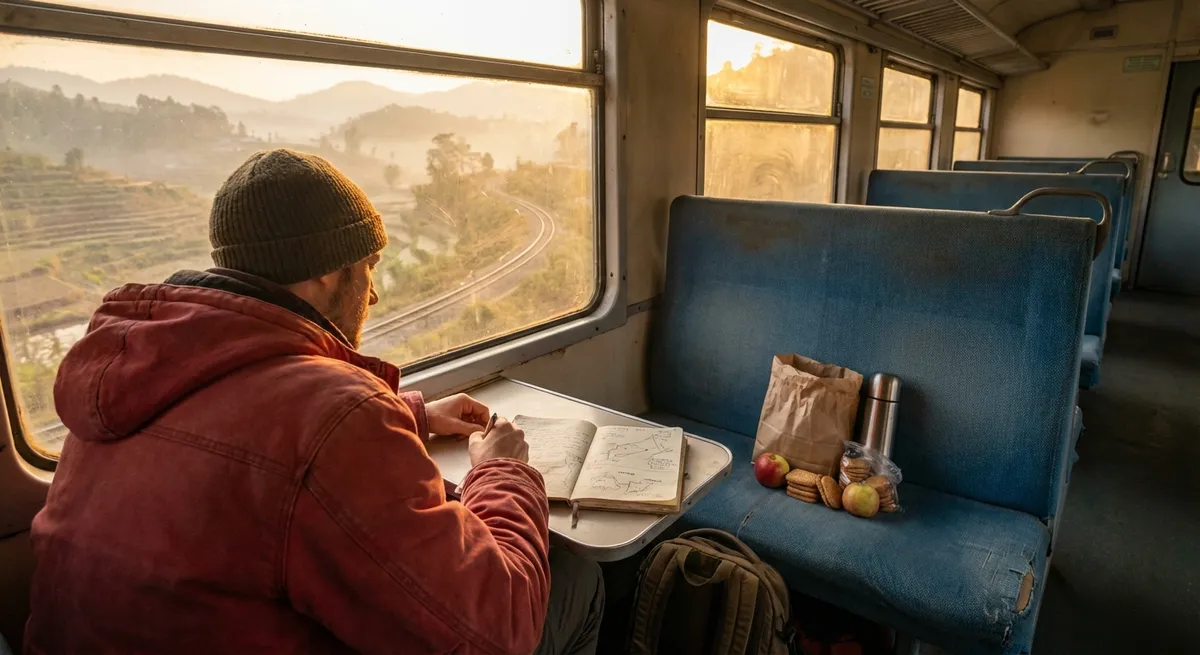
Below are five captivating ways to stretch your money, deepen your adventures, and turn “maybe someday” into “I’m already on my way.”
1. Let the Off-Season Be Your Secret Portal
Peak season is for postcards. Off-season is for stories.
Traveling just before or after the tourist rush—those shoulder and low seasons—turns the world into a more affordable, more authentic playground. Flights drop, hostels and guesthouses open extra beds, and locals actually have time to talk instead of sprinting between crowds.
Imagine wandering through a nearly empty European square in late autumn: cafés still buzz, but it’s mostly locals leaning over tiny cups of espresso. Or trekking in Southeast Asia at the start of the rainy season, when the jungle smells electric and the trails are yours alone. Smaller crowds mean fewer lines, more spontaneous conversations, and a better chance of negotiating prices on rooms and tours.
To make off-season travel work for your wallet and your comfort:
- Research “shoulder season” dates for your dream destinations (spring and fall are often sweet spots).
- Check typical weather—rainy doesn’t always mean miserable; sometimes it just means dramatic skies and lush scenery.
- Use flexible date tools on flight search engines to catch cheaper fares.
- Book cancellable accommodation options in case conditions change.
When you travel against the tide, the world opens quietly, and often, more cheaply.
2. Turn Overnight Transport Into Your Moving Hostel
One of the smartest budget moves is to let your bed move with you.
Overnight buses, trains, and ferries can slice out a big chunk of travel costs by combining transport and accommodation. You’re not just going from point A to point B—you’re reclaiming eight hours of your budget while the landscape slides past your window.
Picture this: you climb aboard a night train in one country and wake up in another, the sunrise painting new rooftops outside your cabin. Or you stretch out in a long-distance bus, downloading offline maps and playlists before the lights dim. It’s not always glamorous, but you gain extra days at your destination instead of burning daylight in transit.
To make overnight travel comfortable and safe:
- Pack a small “sleep kit”: earplugs, eye mask, warm layer, and a scarf or travel pillow.
- Keep valuables in a small bag that stays with you—under your seat or as a pillow.
- Book reputable companies; read recent reviews for safety and cleanliness.
- Choose seats or berths away from bathrooms or doors if possible.
Your budget will feel the difference. Every night you sleep on wheels or rails is another day of adventure funded.
3. Eat Like You Live There, Not Like You’re Visiting
Your plate can be one of your biggest expenses—or your best budget ally.
Skip the “tourist menus” and seek out where office workers, students, and families eat. Those busy, unpretentious spots with handwritten signs or plastic chairs often serve the most authentic food for a fraction of the price.
Think: steam rising from a street stall in Bangkok as a vendor tosses noodles over a roaring flame. Or a buzzing mercado in Mexico City where you point at fresh tacos piled high and pay less than a coffee back home. In many cultures, markets, bakeries, and simple neighborhood eateries are built around affordable, filling food.
Practical ways to eat richly on less:
- Aim for your “big meal” at lunch—many countries offer set menus or specials midday at lower prices.
- Visit local markets for fresh fruit, bread, and snacks instead of buying everything at cafés.
- Stay in hostels or budget guesthouses with shared kitchens to cook simple meals.
- Look for places busy with locals, short menus, and visible cooking—often a good sign of quality and value.
When you eat like you belong, your budget stretches, and your connection to a place deepens with every bite.
4. Sleep in Social Spaces: Hostels, Homestays, and House-Sits
Budget accommodation doesn’t have to mean sacrificing comfort; it can unlock community.
Hostels aren’t just for party scenes—they range from quiet, design-forward spaces to family-run guesthouses with sunlit courtyards. Dorm rooms can be incredibly affordable, and many hostels now offer private rooms at lower prices than hotels. The real magic, though, is in the shared kitchens, rooftop terraces, and lounge corners where travelers swap stories and tips.
Beyond hostels, homestays and house-sitting can drop you straight into local life: morning coffee with your host family, market runs with new friends, or watering plants and caring for pets in a stranger’s home that becomes your temporary sanctuary.
To get the most from budget stays:
- Read recent reviews focused on cleanliness, safety, and atmosphere.
- Join social hostel events that don’t require big spending—free walking tours, game nights, potlucks.
- Look into reputable house-sitting platforms for longer stays if your schedule is flexible.
- Consider volunteering programs that trade a few hours of work a day for a free bed and sometimes meals.
Every shared breakfast table and common room conversation is a potential new direction for your journey—no expensive tour needed.
5. Let Free Experiences Lead the Way
When money is tight, curiosity becomes your currency.
Many cities are full of extraordinary, free (or nearly free) experiences that most people overlook while chasing big-ticket attractions. Museums with free days, public art walks, festivals, parks, viewpoints, and local cultural events can fill your days without emptying your wallet.
Imagine hiking up to a city viewpoint instead of paying for a skydeck, watching the skyline change color with the setting sun. Or joining a community dance event in a plaza, learning steps you’ll laugh about later with new friends. Free walking tours—often tip-based—offer rich storytelling and orientation to a place, letting you pay what you can.
Ways to build an epic, low-cost itinerary:
- Search “free things to do in [city]” and cross-check multiple sources to find genuine options.
- Check city or tourism board websites for event calendars, museum free days, and public festivals.
- Prioritize nature: beaches, lakes, urban trails, riverfronts, and mountains rarely cost more than transit.
- Use public libraries or cultural centers—many host exhibits, lectures, or performances at no cost.
When you follow the free threads of a city or region, you’ll often stumble into its real heartbeat.
Conclusion
Budget travel isn’t about what you give up—it’s about what you gain when you stop waiting for “someday” and start designing your own route with what you have right now. By chasing off-season horizons, turning overnight rides into moving bedrooms, eating like a local, sleeping in social spaces, and hunting for free experiences, you’re not just saving money. You’re traveling closer to the bone of a place, closer to its people, and closer to the version of yourself that says yes more often.
The world is not reserved for the wealthy or the lucky. It’s waiting for the curious, the resourceful, and the ones bold enough to start with a small budget and a big intention.
Your next adventure doesn’t need a bigger paycheck. It needs a chosen date, a one-way search, and the courage to press “book.”
Sources
- U.S. Department of State – Travel Advisories - Official safety information and advisories to check before planning budget trips.
- Lonely Planet – Budget Travel Tips - Practical, globally oriented advice on saving money while traveling.
- Nomadic Matt – How to Travel Cheap - In-depth strategies for low-cost travel, including accommodation, transport, and food.
- Rail Europe – Night Train Guide - Overview of overnight train options in Europe and how they can replace hotel nights.
- European Consumer Centres Network – Passenger Rights - Information on traveler rights within Europe, useful when booking low-cost or overnight transport.