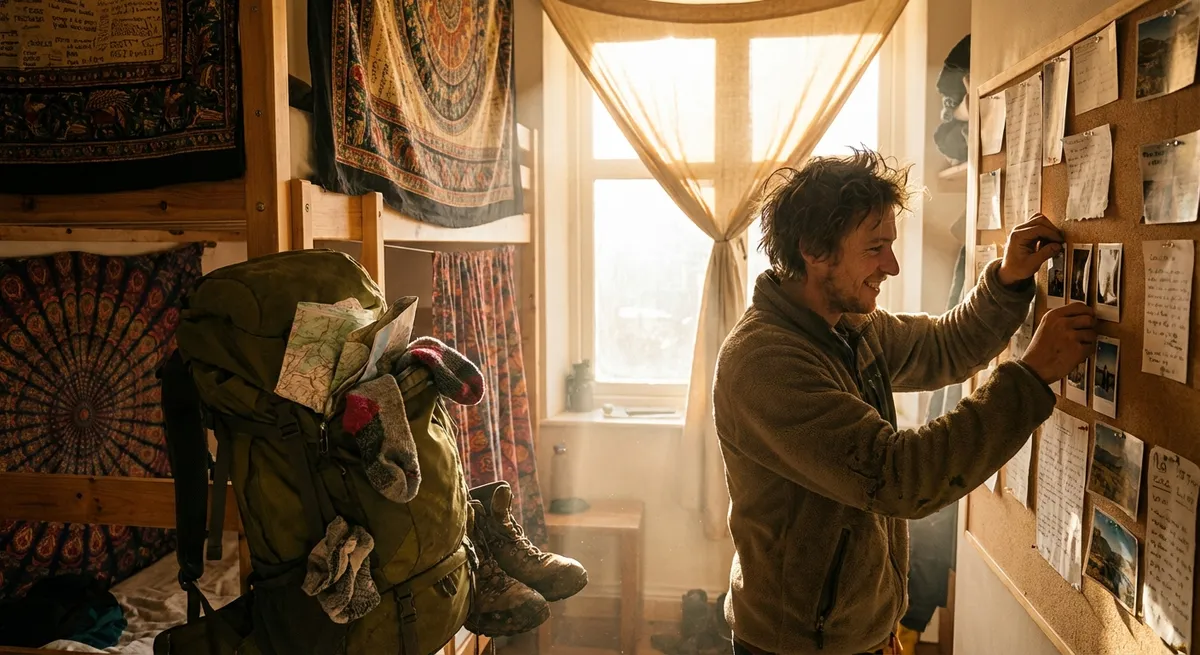
This isn’t about collecting destinations like trophies. It’s about learning how to move through the world in a way that feels alive, awake, and wide open to the unexpected. These five travel moves will help you step into your next journey not as a tourist, but as a bold co‑creator of whatever unfolds.
Turn Your Itinerary into a Flexible Skeleton, Not a Script
A rigid schedule can make your trip feel safe—but also strangely lifeless. Instead of booking every hour in advance, build a “flexible skeleton” that holds your must‑dos while leaving space for surprises. Anchor your days with only one or two fixed plans: maybe a sunrise hike, a museum you’ve dreamed about, or a street food tour you can’t miss. Around those anchors, leave big stretches of unplanned time and trust the city, the landscape, and the people you meet to fill in the rest.
This approach lets you drift into an alley café you would’ve marched past on your way to the next checklist item. It gives you permission to follow a local’s recommendation that wasn’t in any guidebook. Flex itineraries also make it easier to adapt to jet lag, weather shifts, and last‑minute closures without panic. Use tools like offline maps and saved pins as a loose compass, not a cage. When your trip is a framework instead of a script, you create space for the moments you couldn’t possibly have planned—and those are often the ones you’ll remember most fiercely.
Let Strangers Be Part of the Story (Safely and Smartly)
Every place on the map is really just a web of people and their stories. The more you learn to enter that web with respect and curiosity, the more vivid your travels become. Start with small, low‑pressure gestures: ask your server what they’d order if they weren’t working, or chat with the person next to you on a train about where they grew up. When you join group activities—walking tours, cooking classes, language exchanges—you’re not just filling time, you’re opening the door to encounters that can change your view of a place in an afternoon.
Safety still matters. Meet in public spaces, let someone back home know your rough plans, trust your instincts when something feels off. But don’t let fear convince you that traveling means gliding through destinations in a sealed bubble. Locals can steer you toward festivals you wouldn’t have found alone, tucked‑away food stalls, or viewpoints with no tour buses in sight. Other travelers can become spontaneous hiking companions or train‑ride confidants. When you treat strangers as potential chapter‑characters in your journey—not background scenery—the world feels far more welcoming and alive.
Follow Your Senses, Not Just the Guidebook
Screens will tell you where to go. Your senses will tell you when you’ve truly arrived. Instead of hopping from one “top 10” sight to the next, try letting smell, sound, texture, and taste steer your day for a while. Maybe it’s the smell of charcoal and spices that pulls you down a side street in Bangkok, or the sound of distant drums that leads you into a small neighborhood celebration in Lisbon. On a quiet morning, feel the cobblestones under your shoes, listen for church bells, waves, or bicycle bells, and ask yourself: “If I had no internet, what would I notice right here?”
Tuning in this way pulls you out of autopilot. You might wander into an open‑air market where the jostle of conversation becomes your soundtrack, or pause at a tiny bakery because the sight of fresh bread in the window reminds you you’re not at home anymore. Bring a tiny notebook or use your phone to jot down sensory details—colors, flavors, sounds—that strike you. These are the raw materials of real memories, the kind that come rushing back with a certain song or spice long after you’ve returned. When you travel with your senses turned up, every block can feel like its own discovery.
Design One Challenge That Scares You (Just Enough)
Growth doesn’t happen in the comfort zone; it happens on the edge of it. Before you leave, choose one intentional challenge that makes your stomach flutter a little. It might be tackling your first solo meal at a bustling local spot instead of hiding behind room service. It could be navigating public transport in a language you barely speak, wild‑swimming in cold morning water, or signing up for a sunrise hike even though you’re not “a morning person.”
The key is to pick something that’s safe and realistic, but emotionally bold for you. Research the logistics so the challenge is controlled, not reckless: know the route, safety protocols, and backup options. Then commit. When the moment comes and your nerves spike, remind yourself that you designed this on purpose—to stretch, not to break. On the other side of that fear is a rush of pride and a new story about who you are. These self‑assigned challenges become anchors in your memory, proof you can do more than your everyday life often asks of you.
Travel Like a Local-in-Training, Not an Outsider on Display
You don’t need to “blend in” perfectly, but you can choose to move through a place like a respectful, curious guest instead of a spectator. Learn a few basic phrases in the local language—hello, please, thank you, excuse me. They act like tiny keys that unlock smiles, patience, and warmer interactions. Dress in a way that’s comfortable but sensitive to local norms. Observe how people behave on buses, in markets, or in temples, and mirror the pace and tone.
Eat where the lines are made up of locals on lunch breaks, not just tourists with guidebooks. Ride trams, metros, or shared taxis at least once if they’re safe and recommended; you’ll see the city’s rhythm from the inside out. Respect photography etiquette—ask before photographing people, and be mindful in religious or private spaces. When you approach a place as a local‑in‑training, you’re not just visiting; you’re participating. The reward is a deeper, more textured experience that goes beyond postcard views and staged moments.
Conclusion
The most powerful travel tip isn’t about packing hacks or perfect flight times. It’s this: be willing to meet your trip halfway. Bring a plan, but also bring curiosity. Bring common sense, but also bring courage. Let strangers become part of your story. Let your senses be your guide. Dare yourself, gently but bravely, to step outside the version of you that always chooses the familiar.
When you travel this way, every journey becomes more than a change of place. It becomes a quiet, thrilling experiment in who you might become next—and the world rises up, again and again, to meet you halfway.
Sources
- U.S. Department of State – Traveler’s Checklist - Official guidance for preparing and staying safe while traveling abroad
- CDC – Travel Health Notices - Up-to-date health advisories and preparation tips for international travelers
- UNWTO – Tips for Responsible Travel - Practical advice on respectful, sustainable behavior as a visitor
- BBC Travel – The Art of Slow Travel - Explores how flexible, unhurried itineraries deepen travel experiences
- Lonely Planet – How to Travel Like a Local - Actionable suggestions for connecting authentically with local culture