Below are five adventurous, practical shifts you can make on your next trip—each one designed to change not just where you go, but how you experience it.
Follow the Daily Rhythm, Not Just the Bucket List
Most travelers chase attractions; seasoned adventurers chase rhythms.
Instead of sprinting through a city with a list in your hand, tune into its pulse. Wake up when bakery shutters roll up and the streets are still yawn-stretch quiet. Notice who’s out at dawn—joggers, trash collectors, street sweepers, café owners pulling chairs onto sidewalks. That’s real life, happening before the stage lights come on.
Build your day around this rhythm. Visit markets early when locals shop, not just when tourists browse. Take note of when parks fill, when offices empty, when music starts spilling from bars and squares. Use those shifts as your invisible itinerary. Ask your host, barista, or taxi driver: “If I wanted to feel your city’s best hour, when is it?” Then plan one thing each day around that answer.
Practical tip: Block off one “rhythm hour” a day where you don’t schedule anything. Put your phone on airplane mode, walk in the direction that feels most alive, and let the city decide what you find.
Say Yes to One Thing That Scares You (In a Good Way)
Adventure doesn’t always look like cliff edges and parachutes. Sometimes it’s much quieter—and just as brave.
Maybe it’s ordering the one dish you don’t recognize, even if you can’t pronounce it. Maybe it’s joining a dance circle when you’ve got two left feet. Maybe it’s sitting alone at the busy communal table instead of hiding at the safe corner seat. The nervous flutter in your stomach? That’s your comfort zone cracking open.
Choose one bold move for every trip—your personal “courage anchor.” It could be signing up for a beginner surf lesson, trying a cold plunge in a mountain lake, hiking a trail that pushes your fitness, or attending a local festival where you’re the only outsider in sight. The goal isn’t danger—it’s aliveness.
Practical tip: Before you leave, write down: “On this trip, my one brave thing will be ______.” Keep it realistic but stretchy. When the moment comes, don’t renegotiate with yourself. You already said yes.
Trade Perfect Photos for Imperfect Moments
Chasing the “perfect shot” can quietly steal your trip. You end up collecting proof instead of memories.
Flip the script: let the camera serve the moment, not steal it. Take the photo, then deliberately put your phone away for ten minutes. Notice small details—the chipped paint on a doorway, the way laundry lines crisscross an alley, the roar and hush of a metro station as trains slide in and out.
Give yourself permission to keep some things unposted. A conversation with the elderly shop owner who insists you try a candy from a jar. A quiet temple where you were the only visitor. The smell of rain on hot cobblestones. These don’t always translate to a screen—and that’s the point.
Practical tip: Choose one key experience per day—sunset lookout, street food run, museum visit—and declare it a “no-filming zone.” You can take 1–2 photos up front, then the rest of the time is for eyes, ears, and memory, not the lens.
Map by Curiosity, Not Just Coordinates
Guidebooks and apps are useful, but they all funnel you through the same narrow funnel. To travel like an explorer, start mapping your trip by questions, not pins.
Ask yourself: “What do I want to feel today?” Cozy? Wild? Curious? Connected? Then build your route around places that might deliver that feeling. If you’re craving connection, aim for plazas, local cafés, co-working spaces, or public events. If you want awe, chase high viewpoints, waterfronts at dusk, botanical gardens, or historic districts at sunrise.
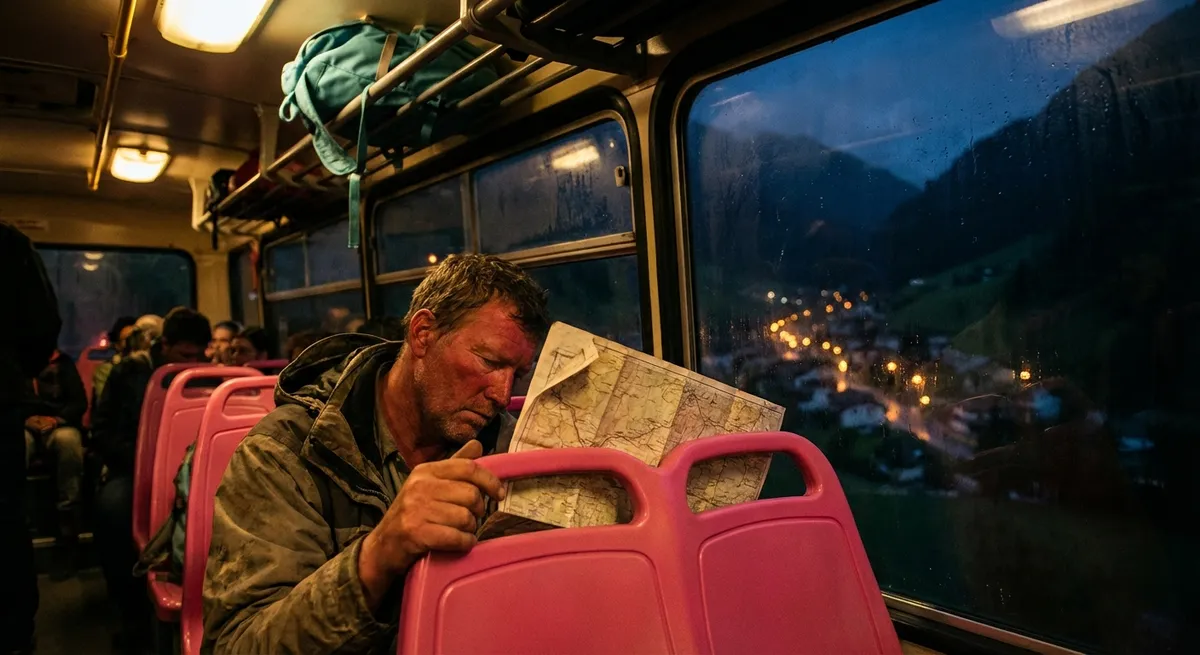
Use analog tools to invite serendipity. Grab a physical map from the tourist office or train station. Circle rough areas rather than exact addresses. Draw a loose loop that passes through a neighborhood you’ve never heard of. Give yourself permission to wander wrong turns and dead ends; that’s where you’ll find the street musician under the bridge, the tiny family-run eatery, the courtyard full of kids playing soccer.
Practical tip: At the end of each day, mark one “unexpected gem” on your map. Over time, you’ll create your own personal atlas of discoveries that no algorithm could have predicted.
Make One Local Connection and Let It Shape Your Trip
The most unforgettable journeys usually have a face and a name attached.
Your mission: create at least one genuine local connection—and be willing to let it nudge your plans off-course. That could be chatting with a barista about their favorite late-night spot, asking a vendor when they come to this market as customers, or joining a community class (yoga, pottery, cooking, language exchange) instead of a tourist-only experience.
When someone lights up talking about their favorite place—a cliff at sunset, a cheap lunch counter, a festival—you’ve just struck gold. Ask follow-ups. Take notes. Go there, if it feels safe. You’ll see a side of the destination no brochure can promise.
Practical tip: Learn and use three local-language phrases beyond “hello” and “thank you.” Try: “What do you recommend?” “What do people who live here like to do?” and “Is there a place you love that most tourists never see?” These questions open doors you didn’t know existed.
Conclusion
Travel gets legendary not because you went far, but because you went deep—into the streets, into the moments, into yourself. When you follow rhythms instead of lists, choose one brave thing, trade flawless photos for imperfect magic, map by curiosity, and say yes to real human connection, every journey becomes less like an escape and more like an awakening.
You don’t need more time off, more money, or more stamps in your passport to feel the world expand. You just need the courage to hop into the unknown—one decision, one conversation, one step off the obvious path at a time.
The next trip you take doesn’t have to be bigger. It just has to be truer.
Sources
- U.S. Travel Association – Traveler Trends & Insights - Data and research on how and why people travel, useful for understanding evolving traveler behaviors and motivations
- UNWTO (United Nations World Tourism Organization) - Global tourism statistics and insights on sustainable, experience-focused travel
- National Geographic Travel - In-depth stories and examples of immersive, curiosity-driven travel around the world
- Lonely Planet – Travel Tips & Advice - Practical guidance on planning, safety, and making meaningful connections on the road
- CDC Travelers’ Health - Official guidance on staying healthy while traveling, including destination-specific advice