These travel tips are not about squeezing your clothes tighter or chasing the cheapest deal. They’re about building a mindset and toolkit that lets you say “yes” more often, dive deeper into local life, and handle the unexpected like it was part of the plan all along.
Build a “24-Hour Freedom Kit”
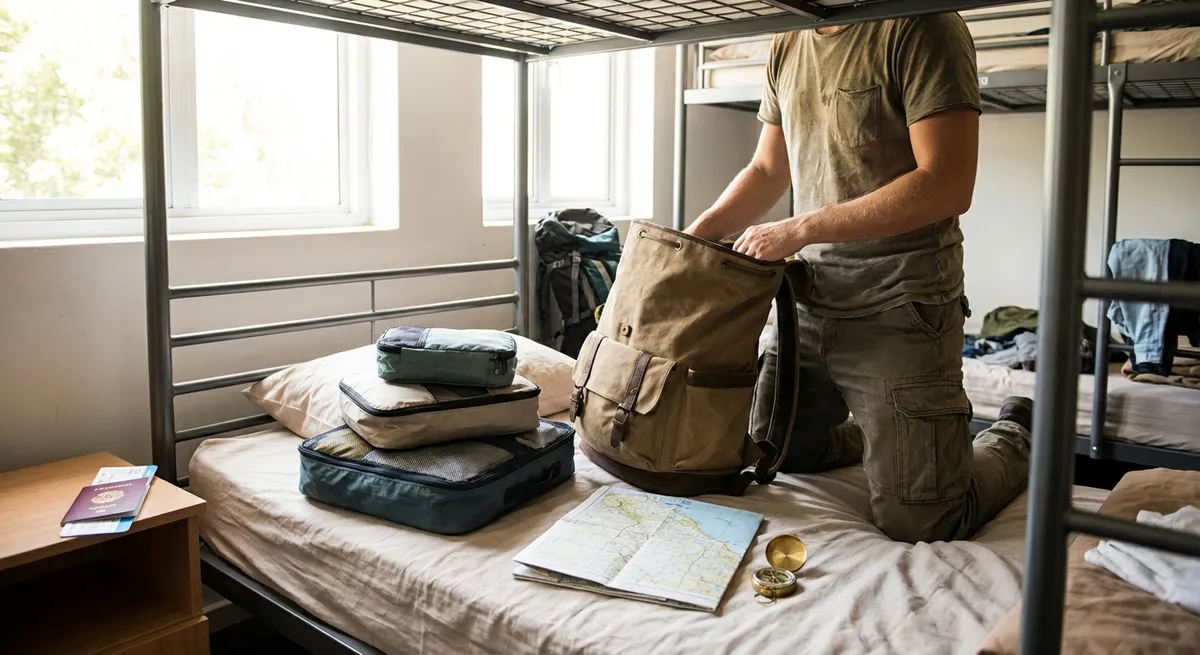
Think of this as your personal launchpad: one small pouch that holds everything you need to be fully functional for the next day, no matter what happens to your main luggage. Pack a fresh T‑shirt, underwear, toothbrush, tiny toothpaste, mini deodorant, a lightweight foldable bag, and any absolute essentials (like glasses, basic meds, and phone cables). Keep it on you—not in the overhead bin, not in your checked bag.
This kit turns delays, missed connections, and spontaneous detours into manageable plot twists instead of disasters. Land early and your room’s not ready? Drop your backpack, grab your freedom kit, and disappear into the city. Bus breaks down in the middle of nowhere? You’re still clean, charged, and ready to explore the nearest village instead of stewing in frustration. The real magic of the 24‑hour freedom kit isn’t the stuff—it’s the confidence that you can move lightly and say yes when the trip suddenly rewrites itself.
Let One Obsession Shape Your Route
Instead of planning around “must-see” tourist stops, choose a single obsession and let it guide your journey. That obsession could be anything: street food stalls, abandoned railways, mountain viewpoints, independent bookshops, rooftop bars, ancient trees, artisan markets, or live jazz in tiny basements. Build your days around chasing this one thing and watch how the map rearranges itself.
When you travel this way, every city stops being a checklist and starts becoming a hunt. You’ll wander into neighborhoods guidebooks never mention because someone told you about a noodle stand that opens at midnight. You’ll cross a river for a dusty record store hidden above a hardware shop. You’ll collect stories that only exist because you followed a thread of curiosity instead of a ranking on some travel site. Let your obsession be your compass, and you’ll discover a version of each place that belongs uniquely to you.
Treat Locals Like Teammates, Not Background Characters
The most powerful travel hack isn’t an app—it’s a conversation. Instead of asking locals the generic “What should I see?”, invite them into your journey like you’re on the same team. Try questions that create a spark: “If a friend visited you for just one day, where would you take them?” or “Where do you go when you want to clear your head?” or “What’s something people here are proud of that visitors usually miss?”
These questions flip the script. Suddenly you’re not a customer fishing for recommendations; you’re a curious traveler asking for personal shortcuts into the soul of a place. Taxi drivers might drop you near their favorite food stall instead of the crowded square. A café barista might scribble down the name of a family-run bakery around the corner. Market vendors could point you to a nearby village festival happening that very night. When you treat locals as co-authors of your adventure, doors open that no itinerary generator could ever predict.
Master the Art of the “Micro Detour”
Adventure doesn’t always come from giant leaps; it often hides just five minutes off your current path. Start practicing “micro detours”—tiny, low-risk deviations from your plan that might completely change your day. Walk one parallel street instead of the main road. Turn down the alley with music playing. Choose the second café on the block instead of the first. Get off the tram one stop early and wander the rest of the way.
These small choices cost almost nothing in time or money, but they crack open space for surprises. Maybe that quiet side street leads to a hidden courtyard full of laundry lines and kids playing football, giving you a glimpse of daily life you’d never see from the main avenue. Perhaps that second café has an elderly owner who tells you stories of the city before tourism reshaped it. Train yourself to look for these small opportunities and take them—the world becomes a maze of secret side quests instead of a straight line from A to B.
Travel With A “Story Goal,” Not Just A Schedule
Before you set off, decide what kind of story you want to bring back—not just what places you’ll have visited. Maybe your story goal is “Do one thing that scares me in a good way,” “Connect meaningfully with three strangers,” or “Find the best sunrise spot in town by asking locals, not searching online.” Write this goal down, keep it in your notes app, or tuck it into your wallet.
This simple intention will quietly shape your choices every day. When you’re debating whether to join that last-minute hike, say yes because it might be the story. When someone invites you to a neighborhood gathering or local concert, remember your goal and follow it. A story goal pulls you out of autopilot and helps you notice the moments that matter—those late-night conversations, unplanned detours, and tiny victories that will still make you smile years later.
Conclusion
Every journey has two versions: the one that appears on your booking confirmation, and the one that unfolds in real time when you embrace curiosity, connection, and a little bit of calculated chaos. You don’t need more money, more gear, or more vacation days to travel like an explorer—you just need sharper questions, bolder detours, and a mindset that treats every twist as part of the adventure.
Pack your freedom kit. Choose your obsession. Invite locals onto your team. Take those micro detours. Set a story goal. Then step out the door knowing that you’re not just going somewhere—you’re about to discover how far you can really go.