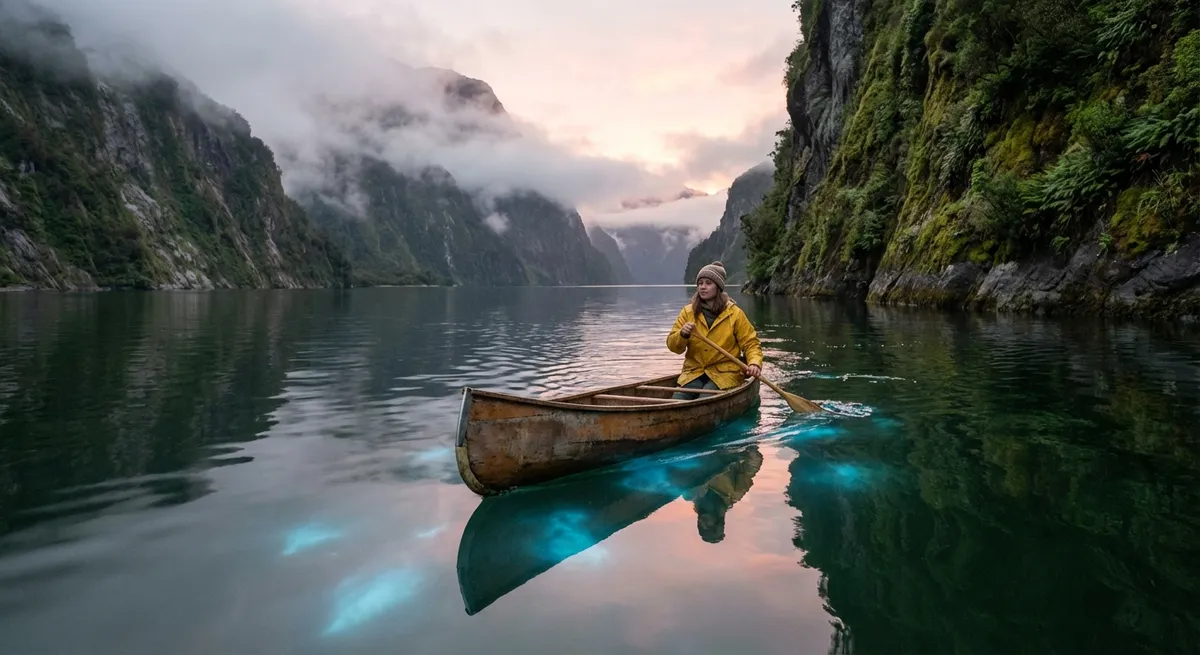
Below are five kinds of destinations that turn curiosity into a compass and every step into a discovery—complete with ideas on how to experience them fully, not just photograph them.
1. Mountain Towns Where Dawn Feels Like a Private Show
There are towns tucked into mountain valleys where the first light doesn’t just rise—it pours. Think of places like Zermatt in Switzerland, Banff in Canada, or small villages scattered across the Himalayas and the Andes. In these destinations, the day begins in slow motion: peaks washed in pinks and golds, the chill of thin air on your skin, and a silence so deep you hear your own heartbeat.
What makes these places unforgettable isn’t just the scenery, it’s how they change your pace. You drink coffee slower because the view keeps interrupting you. You walk more because every side street leads to another angle of the mountains. Trails range from gentle riverside walks to multi-day treks, so you can match the adventure to your comfort level while still feeling close to the wild. For a grounded experience, time your visit for shoulder seasons—late spring or early fall—when crowds are thinner and local life feels more visible. Bring layers, break in your hiking boots before you go, and download offline trail maps so if your signal disappears, your direction doesn’t.
2. Island Cultures Where Time Moves to the Tide
Not all islands are about resorts and infinity pools. Some are about fishing boats, market mornings, and sunsets that pull everyone—locals and visitors alike—to the shore at the same hour every day. Islands like the Azores in Portugal, Okinawa in Japan, or the Outer Hebrides in Scotland offer water-wrapped worlds where culture and nature are inseparable.
In these destinations, the ocean sets the rhythm. Ferries become part of your daily schedule, and the sound of waves slips into your sleep. You might spend one day following ancient coastal trails, the next watching local crafts being made, and another exploring volcanic lakes or coral reefs. Respect is your key to belonging here: learn a few local phrases, understand basic ocean safety, and research any protected marine areas before you go. Seek out family-run guesthouses, eat what’s in season and from the sea, and ask locals about their favorite less-known coves or viewpoints. Often, the most magical spots are the ones no signpost ever mentions.
3. Desert Landscapes That Glow After Dark
Deserts look empty on the surface—but they’re full of secrets, especially after the sun sets. Destinations like Wadi Rum in Jordan, the Atacama in Chile, or the Mojave in the United States transform from sculpted sand and rock by day into cosmic observatories by night. With low light pollution and wide-open skies, these places remind you how small you are—and somehow, how limitless.
During daylight, you can hike between canyon walls, ride camels or 4x4s across dunes, or explore ancient rock art. But the real magic happens when you lay back under the stars and start to recognize constellations you’ve only ever seen in apps and textbooks. To make the most of a desert destination, pack sun protection, plenty of water, and light, breathable layers. Consider staying at a camp or lodge that works with local communities—they often know the safest routes, the hidden viewpoints, and the stories behind the land. Check moon phases before you go: a new moon means darker skies and more visible stars, while a bright moon gives the sands an otherworldly glow.
4. River Cities That Reveal Themselves One Bridge at a Time
Some cities are best understood not by their skylines, but by their rivers. Think of Prague on the Vltava, Porto on the Douro, or Chiang Mai along the Ping River. These destinations invite you to wander from bridge to bridge, watching how life shifts along the banks—from markets and old warehouses to quiet parks and late-night cafés.
A river city offers a built-in path for slow exploration. You can walk, cycle, or take local boats instead of relying only on taxis or subways. Many of these cities are steeped in layered history, with neighborhoods that reflect different eras and influences. Start from the water and move outward: take a ferry or river cruise early in your trip to get a sense of the layout, then return on foot to the spots that caught your eye. Look for riverside food stalls, bookshops, or live music venues—these are often where locals unwind. And when you reach a bridge with a view you love, pause. This is where you’ll capture the city’s soul, not just its postcard angles.
5. Forest Hideaways Where Trails Feel Like Storylines
Deep forests—whether in the Pacific Northwest, Slovenia, Japan, or Costa Rica—have a way of quieting the noise you didn’t know you were carrying. These destinations are cathedrals of green: moss-draped trees, soft earth underfoot, filtered light turning every dust particle into glitter. Walking into them feels like stepping into a myth you’ve somehow always known.
Forest-based destinations offer everything from simple day hikes to multi-day hut-to-hut routes, canopy walks, and thermal springs hidden in the woods. To fully experience them, choose at least one sunrise or sunset walk and go slowly enough to notice the small things: the smell after a brief rain, the sound of water you can’t yet see, the sudden hush when the wind pauses. Practical prep matters here: waterproof layers, sturdy footwear, and a basic understanding of trail etiquette protect both you and the ecosystem. Stay on marked paths, pack out your trash, and consider joining a local guided walk to learn about native species and conservation efforts. When you leave, you’ll take more than photos—you’ll carry a quieter, more focused version of yourself.
Conclusion
The world’s most powerful destinations aren’t always the ones splashed across billboards. They’re the mountain towns where dawn feels like it’s just for you, the islands that sync your heartbeat to the tide, the deserts that teach you to look up again, the river cities that unfold in gentle layers, and the forests that remind you how to move slowly and notice everything.
You don’t have to visit them all at once. Choose one type of place that’s calling you right now and follow that pull. Book the ticket, pack light but thoughtfully, and leave enough space in your plans for surprises. The map is huge—but the moment you arrive, it won’t feel distant anymore. It’ll feel like you’ve stepped into your own next chapter.
Sources
- Switzerland Tourism – Mountain Destinations - Overview of key Swiss mountain regions and towns, including activities and seasonal tips
- Banff & Lake Louise Tourism - Official destination guide for Banff, with information on trails, seasons, and practical planning
- International Dark-Sky Association - Details on certified dark sky places worldwide, including desert and remote stargazing destinations
- UNESCO – World Network of Biosphere Reserves - Information on protected island, forest, and desert ecosystems and how they’re managed
- National Park Service – Hiking Safety - Practical guidance on hiking preparation, gear, and safety relevant to mountain, forest, and desert travel