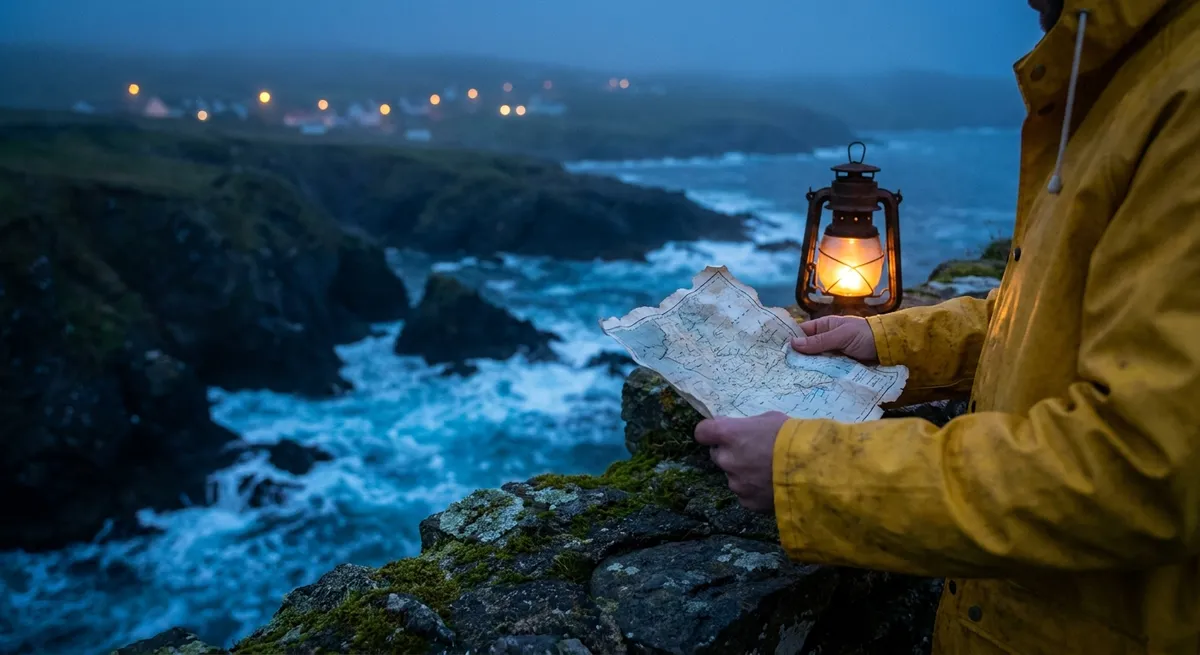
This guide isn’t about ticking off famous sights. It’s about traveling in a way that leaves you braver, more curious, and more awake to the world. Here are five powerful ways to shift how you travel—so every journey feels like it’s pulling you toward a bigger version of yourself.
Trade the Perfect Itinerary for a Living, Breathing Plan
There’s a subtle kind of freedom that appears the moment you stop trying to control every hour of your trip. Rigid itineraries promise certainty, but they often steal the very magic you flew across an ocean to find. Instead of planning every minute, build a “living plan” that bends with the day.
Start with anchors, not schedules: a few non‑negotiable experiences or locations you truly care about, then leave space around them to follow curiosity. Think in “windows” instead of exact times—morning for exploring neighborhoods, afternoon for one key spot, evening free for whatever unfolds. When a local café owner suggests a hidden beach or a stranger on a train tells you about a festival two towns over, you’ll actually have the space to say yes.
This flexibility also relieves pressure. If rain washes out your hike or a museum is unexpectedly closed, your day isn’t “ruined”—it’s just nudging you toward a different story. Bring tools that support spontaneity: offline maps, a few bookmarked backup ideas, and a mindset that treats disruptions as invitations. The less you cling to your plan, the more the journey will surprise you in the best ways.
Let Your Taste Buds Be Your Compass
Food is the fastest, most delicious way into the heart of a place. Every bowl of street noodles, every slice of fresh bread, every shared table is a shortcut into local life. Instead of defaulting to the most familiar option, use your meals as tiny expeditions.
Walk one street past the main square and look for places where menus aren’t translated, where the tables are full and the smells spilling out the door make you slow your step. Point, smile, and ask staff or fellow diners what they’d order if they had just one meal left in town. Accept at least one dish a day that you don’t fully understand before you taste it.
If you’re nervous about food safety or dietary needs, prepare without closing yourself off. Research typical local dishes and how they’re prepared, learn key phrases (“no nuts,” “vegetarian,” “mild,” “well‑cooked”), and spot signs of safe vendors: long lines of locals, high turnover, clean cooking stations. When you treat every meal as both sustenance and story, you don’t just eat—you participate. People remember you as the traveler who tried, who asked, who shared. That’s how strangers become hosts and meals become memories.
Turn Every Street into a Language Classroom
You don’t need to be fluent to connect deeply, but you do need to try. Even a few heartfelt words in the local language can transform how you’re welcomed. Instead of relying only on translation apps, turn the entire city into your language teacher.
Before you go, learn a small set of “connection phrases”: hello, thank you, please, excuse me, how much, where is, and—most importantly—“I’m learning, can you help me say this?” Write them down or keep them on your phone. As you walk, read street signs, metro maps, and shop names out loud to yourself; let your tongue get used to new sounds. When you order food or buy a ticket, deliver your request in the local language first, then fall back to English if needed.
Be prepared to laugh at your mistakes—and let others laugh with you. That shared humor is disarming; it shifts you from tourist to human being who’s genuinely trying. Over time, you’ll notice something subtle: doors open faster, smiles come easier, invitations appear. Language stops being just words and starts becoming a bridge between your world and theirs.
Pack Light so You Can Say Yes More Often
What you carry determines how far—and how freely—you can go. A heavy suitcase doesn’t just weigh on your shoulders; it quietly shapes your decisions. You’ll think twice before hopping on a crowded bus, climbing long staircases, or saying yes to that last‑minute ride out to a remote village. Traveling light is not about deprivation; it’s about maximizing your capacity for “yes.”
Aim for one carry‑on backpack or small suitcase that you can comfortably walk with for 20–30 minutes. Choose versatile layers over outfit perfection: neutral colors, quick‑dry fabrics, and pieces you can mix, match, and wear multiple days. Limit “just in case” items to a tiny corner of your bag—most of what you might need can be found on the road, often more cheaply and more appropriately for the local climate.
A light bag means you can pivot effortlessly: catch earlier trains, switch hostels when energy doesn’t feel right, or follow a new friend’s invitation to another town without logistics dragging you down. It also keeps your mind uncluttered. The less you’re managing, losing, or worrying about, the more presence you bring to each moment. You’re no longer traveling with a portable closet—you’re moving with a kit designed for adventure.
Collect Encounters, Not Just Photos
The most lasting souvenirs don’t fit in your backpack. They’re the stories of people you met: the bus driver who pointed out her favorite hillside temple, the market vendor who insisted you try a fruit you’d never seen, the fellow traveler who became a lifelong friend after one shared sunrise hike.
Instead of aiming for the perfect photo, aim for one real interaction every day. Start simple: ask someone what they love about their city, where they’d go if they had a free afternoon, or what food reminds them of home. Visit places where conversations happen naturally—local cafés, parks, small galleries, community events. Say yes to group tables, walking tours, and hostel dinners, not just for information but for connection.
Document these encounters intentionally. Keep a small travel journal where you jot down names, moments, and snippets of conversation. Take photos with people only after you’ve shared a genuine exchange, not as trophies of where you’ve been. Later, when you scroll back through your memories, it won’t be the angles of your photos that move you—it will be the way the world felt bigger and kinder because you dared to talk to strangers.
Conclusion
Every journey asks you the same quiet question: Who are you willing to become away from home?
When you loosen your grip on the plan, follow flavors into hidden streets, fumble your way through new words, pack only what you truly need, and seek out real human encounters, travel stops being a break from your life and starts becoming training for it. You return not just with stories, but with a stronger sense of courage, curiosity, and connection.
The world is wider than any screen can show you—and it’s waiting for the version of you that’s willing to step into the unknown, one deliberate, adventurous choice at a time.
Sources
- [U.S. Department of State – Travel Advisory & Safety Tips](https://travel.state.gov/content/travel/en/traveladvisories/traveladvisories.html) - Official guidance on staying safe, aware, and prepared while traveling abroad
- [Centers for Disease Control and Prevention – Traveler’s Health](https://wwwnc.cdc.gov/travel) - Health recommendations, vaccines, and destination‑specific advice for international travelers
- [Lonely Planet – Travel Tips & Inspiration](https://www.lonelyplanet.com/articles) - Practical travel insights, destination ideas, and on‑the‑ground tips from experienced travelers
- [BBC Travel – Culture and Places](https://www.bbc.com/travel) - In‑depth stories on local cultures, food, and unique experiences around the globe
- [National Geographic Travel](https://www.nationalgeographic.com/travel/) - Features on immersive travel, photography, and ways to connect more deeply with destinations