Below are five captivating ways to travel that don’t just move you across a map—they move something inside you, too.
Tip 1: Let One Theme Guide Your Entire Trip
Instead of building your trip around “top attractions,” choose a single theme and let it lead you through a city, country, or region like a secret compass. Think: “rooftop sunsets,” “underground music,” “local breakfast rituals,” “bookstores with stories,” or “ancient water routes.”
Spend a morning mapping places tied to your theme: ask locals where they experience it, search city forums, or follow related hashtags to uncover tucked-away recommendations. In Lisbon, this might mean chasing miradouros (viewpoints) and ending each day where the sky bleeds into the Atlantic. In Tokyo, it could be jazz bars hidden in basements and alleys, each with its own mood and soundtrack. When your days revolve around a personal thread instead of a checklist, your stories don’t sound like everyone else’s—and your memories become vivid, layered, and anchored by meaning rather than just memory cards full of photos.
Tip 2: Turn Transit Time into Your Secret Adventure Window
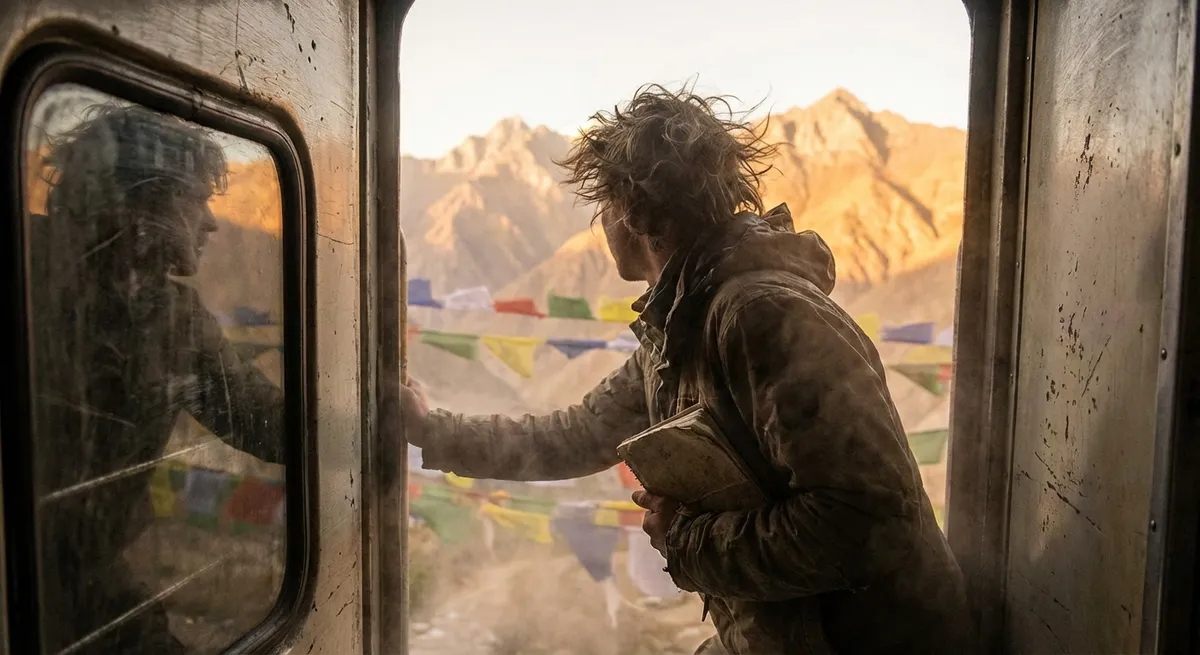
Most travelers treat transit as dead space between “real” experiences. Flip that thinking: buses, trains, ferries, and long walks are where a place reveals its quiet truth—if you’re paying attention.
On a long train ride, skip the headphones for at least the first hour. Watch what people eat, how they greet each other, what they do to pass the time. Take notes: snatches of conversation you don’t fully understand, landscape details, the way the light changes on the buildings outside. On city buses, get off one or two stops early in a safe neighborhood and walk the rest of the way, noticing tiny things you’d miss underground: laundry flapping like flags, kids playing soccer in alleys, street art that never makes it into guidebooks. Those “in-between” moments often end up feeling more real, more human, and more unforgettable than any landmark.
Tip 3: Learn Just Enough of the Local Language to Shift Your Experience
You don’t need to be fluent to open doors—sometimes five sincere phrases change everything. Commit to learning: “hello,” “thank you,” “please,” “sorry,” and “this is delicious.” Add “what do you recommend?” and “can you write that down?” and you’re already traveling differently than most tourists.
Before you go, practice these phrases out loud, not just in an app. Once you arrive, use them constantly, even if your pronunciation is clumsy. Ask a barista to correct you. Laugh at your mistakes. You’ll see faces soften, shoulders relax, and suddenly you’re not just a passing stranger—you’re someone trying to meet them halfway. That small effort can earn you unexpected kindness: a handwritten list of local spots, a detour to a hidden café, or an extra story about the history behind what you’re eating. Language isn’t just communication; it’s a quiet way of telling a place, “I’m here for more than the surface.”
Tip 4: Chase Experiences You Can Feel in Your Body, Not Just See with Your Eyes
Screens have trained us to travel like photographers first, humans second. Reclaim your senses by deliberately choosing experiences that you feel physically: not just “Go to a viewpoint,” but “Climb the stone steps at sunrise, when the air is still cool and your breath fogs in front of you.”
Seek out moments that change your heartbeat: swimming in a chilly alpine lake, dancing badly but joyfully at a local festival, kayaking through mangroves as the world falls quiet except for the drip of your paddle. Sign up for a beginner’s surf lesson, a slow mountain hike, a bike ride through vineyards, or a sunrise yoga session on a rooftop. When your muscles remember the weight of your backpack, the ache of your legs on the final ascent, or the shock of cold water on your skin, those memories stay etched far longer than another skyline photo that looks like a thousand others online.
Tip 5: Build Daily Rituals That Ground You Wherever You Are
The most powerful travel days often have one small, steady ritual at their core—a personal anchor in the middle of so much newness. It might be a 10-minute journal session every evening, capturing the day in five sensory snapshots: one thing you smelled, heard, saw, touched, and tasted. It could be a morning coffee in the same corner café, watching the city wake up around you.
These rituals slow your trip down, turning it from a blur of “we went here, then here” into a lived experience with texture and depth. They also give you a chance to notice how you’re changing: what scares you less than it used to, what excites you more than you expected, which parts of yourself feel most alive far from home. Over time, these tiny daily practices become the invisible thread that connects all your journeys, no matter how different the landscapes look.
Conclusion
Travel isn’t about how far you go, how long you’re gone, or how impressive your photos look online. It’s about how deeply you show up—curious, awake, and willing to be surprised. Let a single theme guide your days, treat transit as a secret window into local life, learn just enough language to open hearts, choose experiences your body will remember, and weave the entire journey together with small personal rituals.
When you travel this way, every place stops being just another destination and becomes a living chapter in the story you’re writing with your own two feet. The world is already waiting. All that’s left is for you to step into it—eyes open, heart first.
Sources
- U.S. Travel Association – Benefits of Travel – Overview of how travel impacts well-being, personal growth, and perspective
- National Geographic – The Power of Place-Based Experiences – Explores how meaningful, sensory-rich travel shapes memory and mindset
- BBC Travel – Why Learning Local Phrases Matters – Discusses how even basic language skills can transform local interactions
- Harvard Health – Health Benefits of Physical Activity – Details how movement and physical experiences reduce stress and enhance mood, relevant to active travel
- Lonely Planet – How to Travel Like a Local – Practical insights on engaging with local culture and everyday life while traveling