Let the First 24 Hours Be Wildly Unscripted
Most people try to overplan their first day: rigid timelines, frantic sightseeing, zero room for real discovery. Flip that script.
Fly in with only three anchors for your first 24 hours: where you’ll sleep, one place you’re curious about, and one local dish or drink you want to track down. That’s it. Leave everything else blank on purpose.
Let your senses guide you. Follow the smell of street food smoke drifting down an alley in Bangkok. Walk toward the sound of a busker in Lisbon and see who else is gathered there. If a café feels alive—voices bouncing, cups clinking, locals reading the paper—sit down and stay. Ask your barista or server one open-ended question: “If I had only one day here, what would you insist I do?” Then actually do it.
This unscripted window gives the destination room to introduce itself on its own terms. You’ll learn how people move, eat, and talk. You’ll discover which neighborhoods feel magnetic and which you can skip. And by evening, instead of jet‑lagged and overwhelmed, you’ll feel like you and the city have already shaken hands.
Turn Getting Lost Into Your Best Navigation Strategy
There is a difference between being lost and choosing to wander. The first is panic; the second is possibility.
Once you’ve dropped your bags and gotten your bearings, pick a district that feels intriguing but safe—think Kyoto’s backstreets, Mexico City’s Roma neighborhood, or a historic quarter in your chosen city. Screenshot an offline map, set a loose time limit (“I’ll wander for two hours”), and then go walk with no agenda except curiosity.
Say yes to side streets with colorful laundry lines. Pause at small shrines, murals, or public art and imagine the stories behind them. Step into open doors where you’re welcome: community centers, tiny galleries, neighborhood parks. Watch children play and commuters rush past; that’s where the real city beats.
To keep it practical, pin dropped locations on your map when you find great spots—like a tiny bakery with still‑warm pastries or a park bench with a perfect sunset angle. Later, those pins become your secret map of the city’s heartbeat, the places you discovered not because a guidebook told you to, but because you were paying attention.
Wandering with intention—curious, observant, lightly prepared—transforms random streets into chapters of your own travel story.
Build One Deep Connection Instead of Collecting Contacts
Trips are often measured in photos and follower counts, but what stays with you are actual humans: the Athens shopkeeper who insisted you sample his olives, the hostel roommate who turned into a lifelong friend, the guide who shared a slice of their life in between facts.
Instead of trying to meet as many people as possible, aim for depth with just one or two. Take a local tour run by residents, not just big operators. Join a small cooking class, neighborhood walking tour, or language exchange. Skip the surface-level chatter and ask questions that invite real stories: “What do you wish visitors understood about this place?” or “What’s changing here that makes you excited—or worried?”
Offer part of your story too. Share why you chose this destination, what surprised you, what you’re nervous about. Human connection is a two-way street; the more honest you are, the more space you create for others to open up.
By the time you leave, you might not remember every monument, but you’ll remember the tea shared on a doorstep at dusk, the laughter over mispronounced phrases, and the feeling that, for a moment, you belonged somewhere far from home.
Taste the Place, Not the Postcard
You can order a cheeseburger anywhere on Earth. You traveled this far—let your taste buds cross borders too.
Start with local markets. They’re the fastest way to understand how a place feeds itself. Watch what people buy in bulk, what sells out first, how families shop. You’ll see the backbone of the local diet: the types of grains, fruits, spices, and vegetables that shape everyday meals.
When you’re ready to eat, look for small spots packed with locals and short menus. That usually means the food is fresh and the dish is something they’re proud of. Ask the staff what they’d serve a friend visiting from out of town. You’ll often be steered to the true specialties—maybe a slow‑cooked stew in Morocco, hand‑pulled noodles in a backstreet Beijing shop, or a coastal fish dish that never leaves the region.
Stay open but informed. If you have allergies, dietary needs, or ethical lines you don’t want to cross, learn the key phrases in the local language to explain them clearly. Try at least one thing that feels slightly outside your comfort zone but still within your boundaries. That brave bite can become one of your trip’s defining memories.
Food is not just flavor; it’s geography, history, and daily life, all served on a plate. When you eat like a local, you’re not just consuming—you’re participating.
Design One Moment You’ll Remember in Ten Years
Most itineraries are a blur of “must‑see” and “top‑rated.” Pull yourself out of that current and choose one intentional moment—crafted by you—that you want future‑you to remember with crystal clarity.
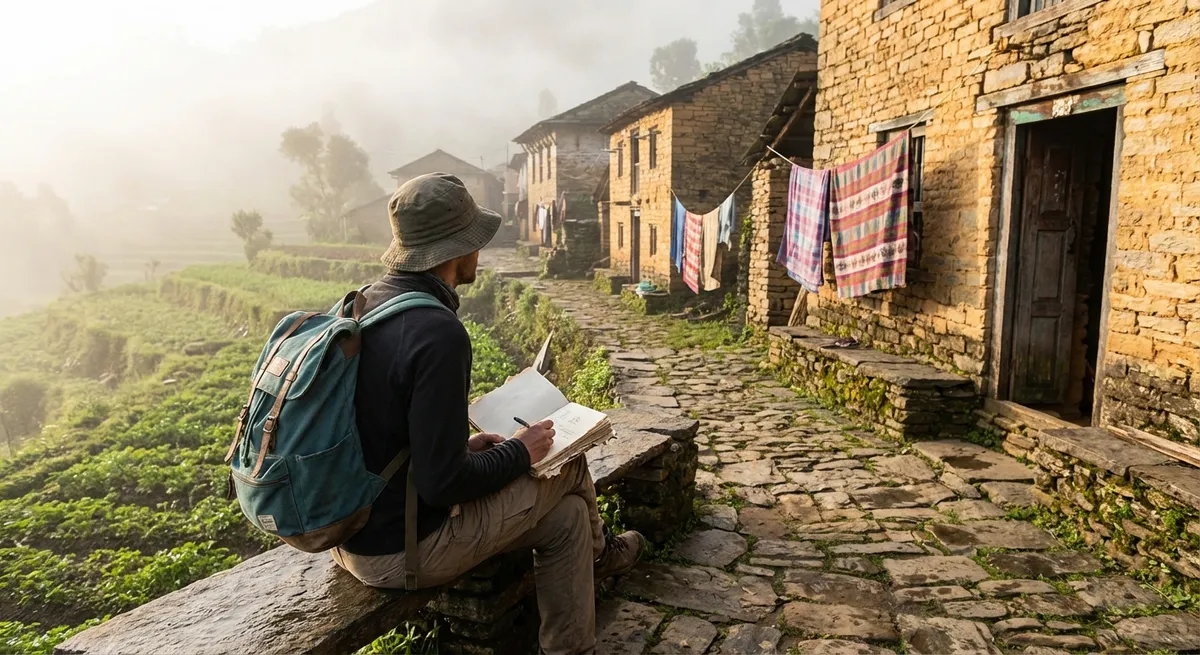
Maybe it’s watching sunrise from a quiet overlook you hiked to in the dark, journal in hand. Maybe it’s riding the last tram of the night just to see a city flicker into its after‑hours self. It could be as simple as sitting on a rooftop with local music in your headphones, writing a letter to yourself you’ll read when you’re back home.
Plan around the feeling you want, not the photo. Do you crave awe, stillness, adrenaline, connection, or reflection? Once you name it, build your moment: pick the place, the time of day, what you’ll bring (camera, notebook, sketchbook, nothing at all), and how you’ll show up—phone on airplane mode, mind fully there.
When that moment arrives, slow everything down. Notice what the air smells like, how the light hits buildings or trees, what sounds layer in the distance. That level of presence turns a simple scene into a memory that sticks, a mental postcard you’ll keep long after the likes fade.
Travel isn’t just where you go; it’s the choices you make about how to be there.
Conclusion
You don’t need endless money, months off work, or a perfectly orchestrated itinerary to travel in a way that feels bold and unforgettable. You need curiosity, a willingness to loosen your grip on the plan, and a few simple moves that turn strangers into guides, detours into discoveries, and random days into turning points.
Let your first 24 hours breathe. Wander on purpose. Trade small talk for real conversation. Taste the place instead of the familiar. And carve out one intentional moment that will glow in your memory long after your bags are unpacked.
The world doesn’t just want you to see it. It wants you to meet it. Your next trip is your chance to answer.
Sources
- U.S. Department of State – Traveler’s Checklist - Practical guidance on preparation, documentation, and safety for international trips
- Centers for Disease Control and Prevention – Travelers’ Health - Up-to-date health advice, vaccination recommendations, and destination-specific information
- Lonely Planet – Travel Tips and Articles - In-depth advice on local experiences, food culture, and responsible exploration
- BBC Travel – Destinations and Experiences - Story-driven travel features that highlight culture, people, and lesser-known perspectives
- National Geographic Travel - Inspiring narratives and photography focused on authentic, culturally aware travel experiences