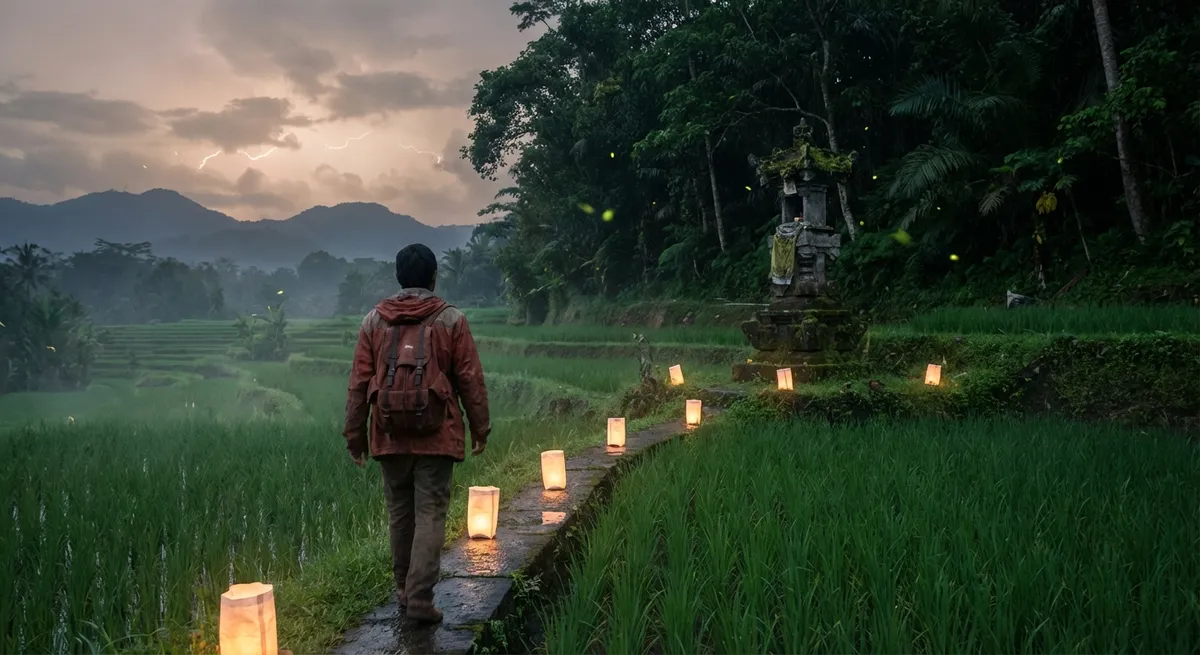
Below are five kinds of destinations—each with an example—that invite you to travel differently, sink into the moment, and come home a little more fearless than you left.
1. Edge-of-the-Map Towns Where the Night Sky Steals the Show
When city lights fade, the universe turns up the volume.
Picture a high desert town like Torres del Paine’s gateway villages in Chilean Patagonia or Utah’s dark sky communities: gravel roads, one main street, and a horizon so wide it feels like you’ve stepped into a planetarium with no roof. As the sun drops, the Milky Way appears not as a faint smudge, but as a luminous river pouring across the sky. Constellations sharpen, satellites glide silently by, and suddenly your worries feel as small as the starlight itself.
These destinations are more than pretty backdrops. They slow you down. With spotty Wi‑Fi and few distractions, your nightly ritual might become: hot drink, warm layers, and a front-row seat to the cosmos. Local guides can point out star stories woven into Indigenous traditions, revealing how people have navigated by these same stars for centuries.
Practical advice:
Look for certified Dark Sky Parks or Reserves—places that protect darkness the way national parks protect landscapes. Pack a headlamp with a red light setting (to preserve night vision), warm layers even in summer, and download an offline stargazing app before you arrive. Plan at least one night with no early wake-up call, so you can stay out until the sky has fully unfolded.
2. Living-Lab Cities That Feel Like Tomorrow Arrived Early
Some cities don’t just evolve; they experiment in real time.
Think of places like Copenhagen, Singapore, or Seoul, where sidewalks double as bike superhighways, gardens climb the sides of skyscrapers, and public spaces are designed to be used, not just admired. Here, sustainability isn’t a buzzword—it’s baked into the commute, the food, and the way people move through their days. You can rent a bike with a tap, ride a driverless metro, then sip coffee in a zero‑waste café that turns leftovers into tomorrow’s pastries.
These destinations are thrilling not because they’re futuristic in a sci‑fi way, but because they feel like a possible version of your own city. You start noticing how smooth transit reshapes a day, how safe bike lanes change who’s out on the streets, how rooftop farms and urban wetlands cool the air. You’re not just sightseeing; you’re test‑driving lifestyle ideas you can carry home.
Practical advice:
Skip taxis for at least one full day and commit to moving like a local: metro, tram, bike, or on foot. Seek out city-run visitor centers or tourism websites that highlight green initiatives and walking routes. Join a neighborhood food or street art tour—they’re often run by residents who casually reveal how policy and design shape daily life.
3. Borderlands Where Cultures Braid Instead of Collide
The most interesting maps are the edges where languages, flavors, and histories overlap.
In border cities like Tijuana–San Diego, Strasbourg between France and Germany, or Chiang Khong on the Thai–Laos border, you can order lunch in one language and dessert in another, with a soundtrack that jumps from one radio station to the next. Street markets sell spices from both sides; bakeries fuse techniques; street names carry layered histories that refuse to be simplified.
Traveling to these in‑between places is like stepping inside a conversation. You might grab a pastry that marries French butter with German pretzel dough, or eat tacos that borrow techniques from Japanese tempura. On either side of a river or a checkpoint, you’ll notice shared festivals, blended slang, and families that treat the border not as a wall, but as a bridge.
Practical advice:
Spend at least one full day walking—literally—and crossing the boundary where possible. Visit local museums or cultural centers that focus on regional identity, migration, and shared histories. Ask guides or hosts about phrases, dishes, or traditions “that only exist here.” These are the details that make a borderland unforgettable.
4. Wild Water Frontiers Where Rivers Write the Itinerary
Follow water, and you’ll often find the wild still winning.
From the braided channels of Iceland’s glacial rivers to the red-rock gorges along the Colorado River or the tea‑colored waterways of Borneo’s rainforests, river-based destinations hold a special kind of energy. Everything pulses along their banks: wildlife, settlements, and stories. Travel here is less about controlling your day and more about reading currents—literal and metaphorical.
You might drift down a calm stretch at dawn, mist lifting to reveal kingfishers and monkeys, then thunder through rapids that soak you in cold spray and adrenaline. Villages strung along the riverbanks move at their own pace: boats instead of cars, river levels instead of traffic reports. Evenings may bring campfires, stories from local guides, and the quiet hiss of water slipping past your tent or cabin.
Practical advice:
Look for operators certified in responsible or eco‑tourism, and check how they support local communities and protect river ecosystems. Pack dry bags, quick-dry clothing, and a lightweight rain jacket even in “dry” season. If you’re new to river trips, start with a day or overnight journey before committing to multi‑day expeditions—your comfort level on moving water matters more than bravado.
5. Ancestral Landscapes That Turn Travel Into a Personal Pilgrimage
Some destinations call you not because of what’s there now, but because of who stood there before you.
Maybe it’s a windswept island where your grandparents once lived, a city tied to your surname, or a region whose music filled your childhood home. Places like Ellis Island for many Americans, small towns in Ireland, Italy, or West Africa, or ancestral villages across Asia and Latin America are more than dots on a map—they’re emotional magnets.
Visiting these destinations can feel like time folding in on itself. Archives and church records reveal names you’ve only heard in family stories. A dish you grew up eating suddenly appears on a menu—cooked differently, but undeniably connected. Locals might recognize your last name, your features, or your accent’s hidden roots. You’re not just a traveler; you’re part of a story looping back to check on itself.
Practical advice:
Do some groundwork before you go: explore census data, immigration records, or oral histories with older relatives. Arrive with a few concrete clues—names, dates, or addresses—to share with local historians or community elders. Balance structured research days with open-ended wandering; the most meaningful moments often happen in small places like a café, a cemetery, or a neighbor’s living room.
Conclusion
The destinations that stay with you aren’t always the most famous; they’re the ones that change the way you see—your life, your city, your past, your place in the world. Whether you’re tracing your roots on a distant coastline, squinting at constellations in a dark-sky desert, crossing a border on foot, or pedaling through a city that feels like the future, each journey is an invitation: to pay attention, to ask better questions, and to let wonder reorder your priorities.
You don’t have to wait for the “trip of a lifetime.” You only have to choose your next hop with a little more curiosity than comfort. The world is ready. The map is only a suggestion. Where will you veer off it first?
Sources
- International Dark-Sky Association – Dark Sky Places - Directory of certified dark-sky parks, reserves, and communities around the world
- UN World Tourism Organization – Tourism and Culture Synergies - Insight into cultural destinations, border regions, and how tourism interacts with heritage
- Copenhagen City – Green City Initiatives - Official overview of Copenhagen’s sustainable urban design, cycling culture, and city planning
- U.S. National Park Service – River & Rapids Safety - Practical guidance for preparing for river-based adventures and staying safe on the water
- U.S. National Archives – Immigration Records - Resources for tracing ancestry and planning meaningful heritage-centered travel