1. Chase First Light: Sunrise Missions That Rewire Your Sense of Time
There is a different world that exists before most alarms go off. The air is sharper, cities are softer, and wild places feel like they’re waking up just for you. Planning a “sunrise mission” in any destination—city, coast, or mountains—can flip your entire trip on its head.
Pick a vantage point: a hill above town, a quiet pier, a rooftop bar’s unused terrace, or a trailhead that starts in the dark and ends in gold. Check sunrise times and weather the night before, pack a headlamp, water, and something warm, and set out long before your brain thinks it’s ready. As you climb stairs or trails lit only by street lamps and starlight, you feel the strange thrill of moving while the world sleeps.
When the sky finally tilts from ink to deep blue to fire, you’re not just watching a sunrise; you’re watching a city or landscape reveal itself from silence to motion. Joggers appear. Delivery trucks rumble. A fisherman casts a line from the shore. You’ve earned a secret chapter of the day that most travelers sleep through, and the rest of your hours feel like bonus time.
For practical planning, use offline maps, download the route, and let someone know your plan if you’re heading into nature. In cities, ask locals or your accommodation staff for safe viewpoint suggestions—they often know rooftops, parks, or church towers where dawn feels almost sacred.
2. Follow the Sound, Not the Guidebook: Let Music Lead Your Day
Every place has a soundtrack, and if you let it guide you, you’ll end up in corners tourists rarely see. Instead of starting with a list of “must‑see” spots, start with a sound: live jazz seeping from a basement door, drumming in a plaza, chanting from a temple, the call of a street vendor echoing down narrow lanes.
Make one day of your trip a “sound‑led” adventure. Leave your headphones at your accommodation. Walk slowly and follow whatever intrigues your ears. Hear laughter from a side street? Drift toward it. Spot a busker on the corner? Stop long enough for one full song. Loud cheering from somewhere inside a building? Peek in—it might be a local game or community event.
In many cities, you can find open‑mic nights, tiny listening rooms, or free outdoor concerts through community boards or local event apps. In villages or smaller towns, sounds might lead you to morning markets, religious ceremonies, or family‑run cafés where the radio is always on and someone hums as they cook.
Keep your approach respectful: don’t record people without permission, and if you enter a sacred or community space, follow local customs and cues. At the end of the day, find a quiet spot and write down the sounds you remember. You’ll realize you didn’t just “see” the city—you heard its pulse.
3. Draw a Circle on the Map: Micro‑Expeditions Just Beyond the Tourist Zone
You don’t need weeks in the wilderness to feel like an explorer. You just need curiosity and a willingness to step one ring outside the usual orbit. Take the center of your destination—your hostel, guesthouse, or a main plaza—and draw a rough circle with a radius of 3–5 km (or a distance you’re comfortable walking or biking).
Tomorrow’s mission: venture to the edge of that circle and back, staying above ground and off major highways as much as possible. Walk or cycle through residential streets, industrial zones, waterfront paths, or canal edges. These are the in‑between spaces where real life happens—kids playing football in alleys, elderly neighbors chatting on benches, tiny shops that never make it into travel blogs.
On your micro‑expedition, set a few simple rules:
- Eat at a place with no English menu (use translation apps or point and smile).
- Buy one item from a family‑owned shop or street stand.
- Talk to at least one person—ask for directions, a food recommendation, or the story behind a local mural.
Bring water, sunscreen, and a lightweight layer; wear shoes you could happily walk in for hours. Download offline maps in case you lose signal, and keep your valuables secure but accessible—many of these areas are just normal neighborhoods where basic awareness goes a long way.
You’ll return to the “main sights” with a secret advantage: you’ve seen how people actually live just a few streets beyond the postcard.
4. Say Yes to the Small Invites: Turning Chance Encounters Into Mini Adventures
The biggest story from your trip probably won’t come from something you booked months ago. It’ll come from a moment when someone says, “We’re heading there now—want to join?” and you’re brave enough to say yes.
These invites don’t always sound grand. They might be:
- A hostel worker mentioning a local food festival after their shift
- A barista inviting you to their friend’s open‑studio night
- A fellow traveler asking if you want to split a taxi to a quiet beach at sunrise
- A neighbor in your guesthouse suggesting a family barbecue or community game
You don’t have to accept every offer—safety and intuition first. But learn to recognize opportunities that feel right and slightly uncomfortable in the best way. Before agreeing, ask a few grounding questions: Who’s going? How are you getting there? What time will you be back? Share your plans and location with a trusted contact.
Prepare a “yes kit”: a small daypack with a reusable bottle, light jacket, portable charger, local cash, and a photocopy of your ID. With that, you’re equipped to pivot from a casual chat to a spontaneous sunset hike or a night dancing at a neighborhood party.
Most people will forget the museum hours they memorized. They don’t forget the evening they ended up teaching card games to strangers at a mountain hut because they decided not to go straight back to their room.
5. Make a Promise to the Place: Leave One Thing Better Than You Found It
Adventure isn’t just about what you take from the world—it’s about how you move through it. Choose one way, in every destination, to leave a small patch of it better than you found it. This transforms you from consumer of experiences to co‑creator of the story.
Your promise can be simple and tangible:
- Carry a small trash bag on a hike and pack out litter you find along the trail
- Join a local beach cleanup or river restoration day if your dates align
- Support a community‑run tour instead of only big operators
- Buy directly from artisans and ask about their craft
- Leave a thoughtful, respectful note or recommendation in a guesthouse logbook to help future travelers
In cities, look for walking tours or experiences led by local historians, activists, or residents; many focus on sustainability, culture, or social impact. Ask your accommodation if they know any community projects or volunteer hours open to short‑term visitors—they often do, even if they don’t advertise them.
The adventure deepens when you understand the ecosystem you’re moving through—natural, cultural, economic. You start to notice trail erosion, water use, noise at night, or how your choices support (or strain) the place you’ve come to love. That awareness doesn’t make the trip heavier; it makes it more meaningful.
Conclusion
The world doesn’t need you to follow a script. It needs you awake, curious, and willing to step into the unscheduled chapters—the dawn hikes, wrong turns, side‑street songs, kitchen‑table conversations, and small acts of care that turn a trip into a turning point.
You don’t have to wait for the “perfect” destination or the “right” time. You can start with the next sunrise, the next sound around the corner, the next circle you draw on a map, the next invitation that tugs at you, and the next promise you make to a place you’ve yet to meet.
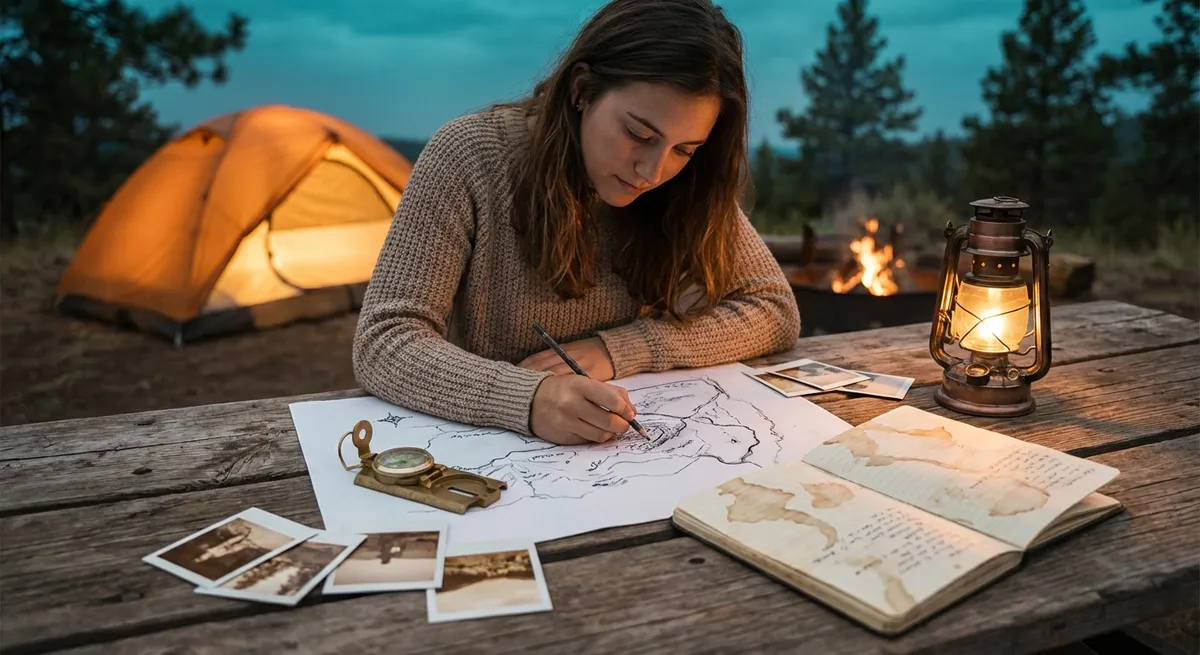
Your map is blank in all the best ways. The adventure begins the moment you decide to write your own legend onto it.
Sources
- UN World Tourism Organization (UNWTO) – Tourism for Sustainable Development – Overview of how travel can positively impact communities and environments
- Leave No Trace Center for Outdoor Ethics – Practical guidelines for minimizing impact during outdoor adventures
- National Park Service – Hiking Safety Tips – Essential advice for planning safe sunrise hikes and day outings
- CDC – Traveling Abroad: Health and Safety – Guidance on staying safe and prepared when exploring new destinations
- UNESCO – Intangible Cultural Heritage – Insight into local traditions, music, and cultural practices you may encounter and respect while traveling