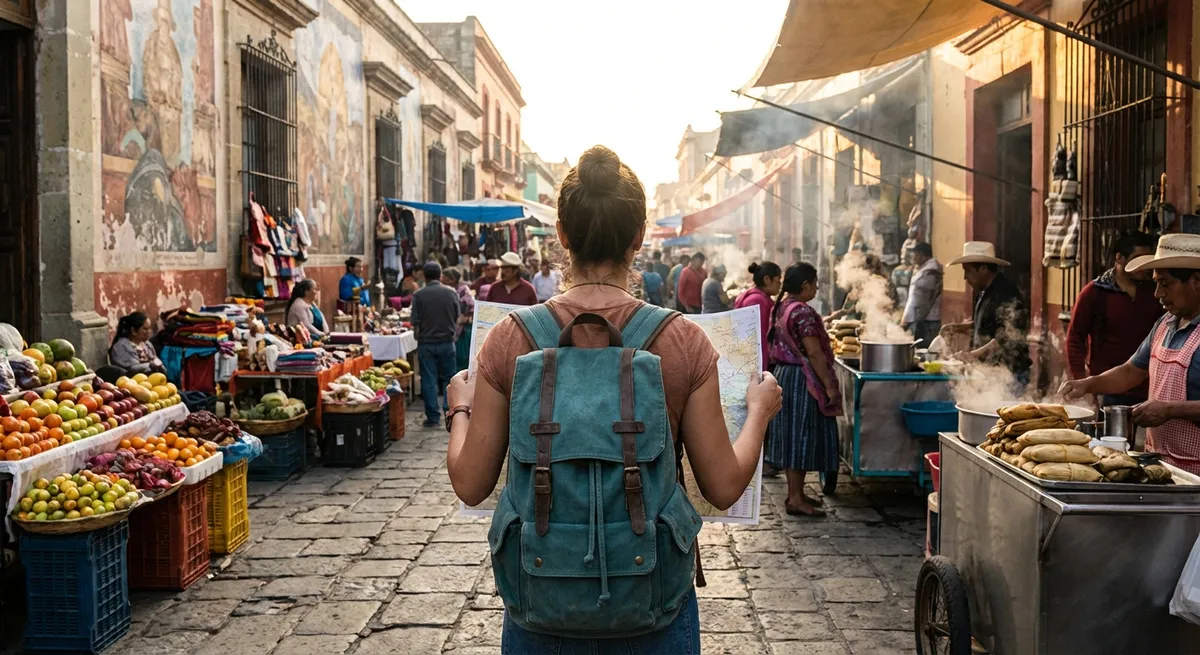
Why Budget Travel Isn’t “Settling”—It’s Traveling Closer to the Truth
Budget travel isn’t a consolation prize; it’s an alternate universe where the best experiences aren’t boxed into resort packages. When you’re not cocooned in all-inclusive bubbles, you’re pushed into the real heartbeat of a place—morning markets, cramped buses, conversations with strangers who become friends over shared street food.
That constraint—of money, of time, of gear—forces creativity. You don’t buy convenience; you design your days. You choose the overnight bus instead of the short flight and gain a sunrise over a new city. You stay in a family-run guesthouse instead of a chain hotel and leave with recipes, stories, and a WhatsApp contact you’ll keep for a decade.
Traveling on a budget also slows you down, and that’s a gift. When you stretch a stay to make the numbers work, you settle into a rhythm: the café that becomes “your” café, the corner store that knows your snack order. The world stops feeling like a string of quick hits and starts feeling like a collection of temporary homes. What you trade in luxury, you gain in presence.
1. Ride the Hidden Highways: Overnight Moves That Double Your Adventure
Overnight transport is the secret backbone of budget travel—and it can turn the logistics into one of the most memorable parts of your trip. Sleeper trains rocking you through distant countryside, night buses humming along coastal roads, ferries crossing dark water while cities glow on the horizon: these aren’t just ways to get from A to B. They’re moving chapters of your story.
Instead of paying for both a bed and a daytime ticket, you combine them. A night train becomes your hotel-on-rails; a bus with reclining seats and a blanket becomes a simple, efficient way to leap between regions. You fall asleep in one landscape and wake up in another, with the thrill of peeling back the curtain to a completely new view.
To make this magic work without misery, book trusted operators and check recent reviews—especially for safety and cleanliness. Pack a minimal “night kit”: earplugs, eye mask, a light layer for aggressive air conditioning, and snacks so you’re not hostage to the rest stop options. Aim for routes that arrive after sunrise so you’re stepping into a new city when it’s waking up, not when it’s shutting down.
The reward is a sense of motion that feels almost cinematic: the hushed conversations in the aisles, the shared plastic cups of tea, the hazy border crossings in the dark. You’re not just skipping an airport—you’re stitching your journey together mile by mile, awake to every transition.
2. Sleep Where Stories Live: Stays That Trade Velvet for Connection
When you stop chasing hotel stars and start seeking character, your accommodation becomes a portal instead of a pit stop. Budget-friendly stays—hostels, homestays, guesthouses, and small local hotels—can put you at the crossroads of people and stories you’d never meet behind a polished lobby.
Hostels aren’t just for backpacking teens; many now offer quiet private rooms plus buzzing common areas where solo travelers, remote workers, and long-haul explorers collide. A kitchen stocked with mismatched pans becomes a place where you trade recipes with a traveler from another continent. A casual “Where are you from?” at the coffee machine can turn into a last-minute invitation to join a day trip you never planned.
Homestays and family-run guesthouses take you even deeper. You learn how breakfast is really done here. You hear about which beach the locals actually visit, which hike is worth the sweat, and which restaurant is overpriced for tourists. Your host becomes an unofficial guide, translator, and cultural bridge—often for less than the cost of a mid-range hotel.
To find these gems on a budget, look beyond the first page of booking sites, and filter by “guesthouse,” “homestay,” or “hostel with private rooms.” Read reviews that mention “location,” “clean,” and “host” more than “rooftop bar” and “pool.” You’re not looking for perfection; you’re looking for a place where you’ll feel safe dropping your bag and open enough to say yes to whatever the evening brings.
3. Eat Like You Live There: Street Food, Markets, and Pocket-Sized Feasts
If you want to know a place without breaking your budget, follow the smells. Street food stalls, local markets, and neighborhood cafés are where cities reveal themselves—far from laminated tourist menus and champagne brunches. Eating on a budget doesn’t mean skipping the good stuff; it means hunting for it where the locals line up.
Street food is often some of the freshest and most flavorful cooking you’ll find—dishes that have survived generations because they’re beloved and affordable. Think sizzling skewers on a Bangkok sidewalk, tacos passed through a bustling window in Mexico City, or hot dumplings served from a tiny storefront in Shanghai. You’re not only paying less; you’re participating in a living tradition.
To navigate this world safely and confidently, look for these signs: plenty of local customers, high turnover (food that doesn’t sit around), and vendors who handle money and food with some separation. When in doubt, start with cooked and hot foods. Markets are another treasure: grab fruit, bread, cheese, and local snacks and you’ve built yourself a picnic with a view—for a fraction of a restaurant tab.
Breakfast and lunch are ideal meals to keep cheap. Many cultures front-load their day with hearty, inexpensive morning dishes and casual midday bites. Save any splurge for dinner if you want a sit-down experience. And don’t underestimate grocery stores—discovering local flavors in the snack aisle, trying regional yogurt, or picking up a bottle of local soda or beer is both fun and frugal.
What you’ll remember isn’t the perfect plating; it’s sitting on a curb watching the street wake up, or sharing a bench in a crowded market while you try something you can’t even pronounce yet.
4. Trade Tickets for Trails: Experiences That Cost Little but Feel Limitless
Some of the most powerful travel moments can’t be bought; they’re discovered. Hiking a ridgeline as the sky turns molten, snorkeling from a public beach among schools of color, wandering an old town’s side streets until you stumble onto a tiny square with a busker playing your new favorite song—these are budget experiences that feel priceless.
Instead of planning your days around expensive attractions, build them around free or low-cost adventures. City parks, river paths, and coastal walks give you front-row seats to local life. Public beaches, lakes, and viewpoints often rival any paid excursion if you’re willing to walk a bit farther or climb a little higher. Many museums and cultural sites have discounted or free-entry days; plan your route to match those windows.
Research local walking routes, public trails, and neighborhood “greenways” before you go. Tourism boards and city websites frequently publish self-guided routes you can follow on foot or by bicycle. Free walking tours—tip-based and led by locals or long-term residents—are a smart way to orient yourself and learn the stories behind the architecture and alleys you’re passing through.
This style of exploring changes the question from “What can I afford to see?” to “How deeply can I wander with what I have?” The reward is space: space to sit, look, journal, sketch, photograph, or simply breathe in a place without the pressure of “getting your money’s worth.” When the meter isn’t running, you give yourself permission to slow down enough for magic to find you.
5. Pack Light, Move Fast: The Freedom of Carrying Only What You Need
The heaviest cost in budget travel often isn’t money—it’s the weight you haul along with you. A massive suitcase locks you into taxis instead of buses, pricey checked-bag fees instead of budget fares, and rigid plans instead of spontaneous shifts. Traveling light, with a carry-on or small backpack, is a budget move that feels like stepping into a different universe.
When everything you need fits on your shoulders, you can walk from station to stay, climb old staircases in historic districts, and hop the cheaper bus instead of the convenient rideshare. You’re less worried about your stuff and more available for what’s happening around you. That agility means you can chase last-minute deals, say yes to unexpected detours, and leave town on a whim when you hear about someplace better.
Packing light starts with brutal honesty: you don’t need six pairs of shoes. Choose clothes you can layer and mix, fabrics that dry quickly, and items that serve multiple functions. A sarong or large scarf can be a beach blanket, privacy curtain, light blanket, or temple cover. A small power strip turns one outlet into three, saving you from buying extra adapters.
The fewer physical things you manage, the more mental space you gain. You become the kind of traveler who can decide at breakfast to take a train to a different city by lunch—and actually pull it off without stress. That’s not just budget travel; that’s a lifestyle shift toward mobility and trust in your own resourcefulness.
6. Let the Planet Guide Your Prices: Chasing Off-Season and Untouristed Corners
There’s a secret lever that pulls travel costs down across the board: timing and direction. When you move opposite to the crowd—heading to shoulder-season destinations, exploring lesser-known regions, or visiting cities midweek instead of weekends—everything from beds to meals to activities often becomes dramatically cheaper.
Shoulder seasons (the weeks before and after peak periods) give you a sweet spot of lower prices and gentler crowds while still offering decent weather. A Mediterranean coast in late spring, a mountain town in early autumn, a tropical city between major holidays—these windows can cut your expenses while making daily life more relaxed and human.
Beyond timing, consider the “second cities” and under-sung regions of a country. Major capitals and Instagram-famous hotspots are usually priced at a premium, but nearby cities, towns, and countryside can offer culture, food, and scenery that feel just as rich at a fraction of the cost. You might find that the small city with the night market and local music bar outshines the famous neighbor you almost booked.
Use basic tools—flight search engines with flexible date views, rail and bus passes, even national tourism websites—to see where and when prices drop. Instead of deciding on a destination and forcing your budget to conform, let those patterns help shape your itinerary. You’re not chasing bargains for their own sake; you’re following the quieter paths where real life happens and your money stretches naturally.
Conclusion
Budget travel doesn’t ask you to shrink your dreams; it invites you to stretch your imagination. When you swap luxury for connection, convenience for curiosity, and excess for agility, the map stops being a distant fantasy and becomes a puzzle you can actually solve. Overnight journeys turn transit into adventure, small stays become story factories, street food becomes a love language, empty trails become your personal galleries, and a light bag makes the entire world feel more accessible.
You don’t need a perfect plan or a perfect balance in your bank account to begin. You need a willingness to learn, to improvise, to be a little uncomfortable and a lot alive. The next time you catch yourself thinking, “One day, when I have enough money, I’ll go,” flip the script: “With what I have now, where can I start?” The answer might be closer—and wilder—than you think.
Sources
- U.S. Department of State – Traveler’s Checklist - Official guidance on documents, safety, and planning for international trips
- World Tourism Organization (UNWTO) - Data and insights on global tourism trends, including seasonality and travel patterns
- Rail Europe – Night Trains in Europe - Practical overview of sleeper train options, routes, and tips for overnight travel
- Centers for Disease Control and Prevention – Travelers’ Health - Health-related travel advice, vaccinations, and region-specific guidance
- Lonely Planet – How to Travel on a Budget - Practical strategies and examples for keeping travel costs low while exploring deeply