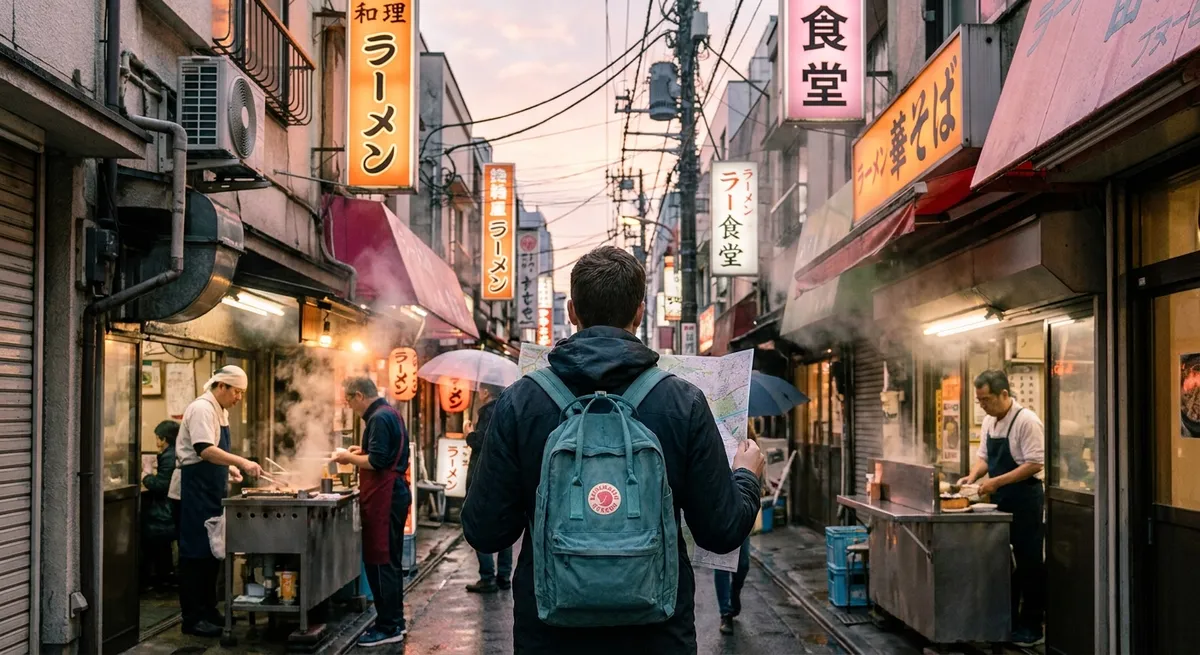
This is your permission slip to travel wider, stay longer, and feel more alive—without torching your savings.
Redefine “Luxury”: Chase Rich Moments, Not Expensive Things
Luxury doesn’t have to mean rooftop infinity pools and $300 tasting menus. On a budget, luxury becomes time, access, and unexpected intimacy with a place.
Swap a glossy hotel lobby for a small family-run guesthouse where the owner greets you by name and tells you where the locals actually eat. Trade the pricey wine bar for a sunset shared on a hilltop, a cheap bottle from the corner shop passing between new friends from three different continents. When you let go of the idea that luxury is bought, you start to notice it everywhere: a quiet museum on a weekday morning, an empty beach after the day-trippers leave, an overnight train where you fall asleep in one country and wake up in another.
Ask yourself on every expense: “Does this unlock a story?” A splurge on a cooking class with a neighborhood chef? That’s worth it. A taxi when you could have walked through a market full of music and spices? Maybe not. The more you spend on experiences, not extras, the richer your trip feels—no matter your budget.
Let the Map Bend: Follow Off-Peak Seasons and Side Doors
Budget travel rewards those who are willing to move sideways instead of straight ahead. The world’s most iconic places don’t only exist in high season or in the exact city everyone posts on Instagram.
Instead of midsummer in Santorini, imagine a shoulder-season escape to Naxos or Paros, where ferries are cheaper, the alleys are quieter, and your money goes further. Swap Paris in July for Lyon in October, where a bakery breakfast and market lunch cost less and taste better. Traveling just before or after peak season—when the crowds thin but the weather still holds—can cut your costs dramatically, from flights to accommodation to tours.
Look for side-door cities that connect to the big-name destinations without the big-name prices. Fly into nearby hubs with low-cost carriers, then use buses or trains to hop into the heart of the region. You’ll collect places you never meant to visit—and often love—even more than the headliners.
Turn the Journey Into the Destination: Slow Travel on a Lean Budget
When you move slower, everything gets cheaper and more meaningful. Staying longer in one place lets you negotiate weekly rates on apartments, skip constant transport costs, and learn the small rhythms that short-term tourists never see.
Imagine waking up in the same neighborhood café for a week, where the barista starts your order before you speak. Picture recognizing vendors at the market, learning which street food stall has the longest local line, discovering a park no guidebook thought to mention. This is the magic of slow travel: you stop “collecting” cities and start inhabiting them.
Public transport becomes your window into local life instead of an obstacle. A long-distance bus ride lets you trace the landscape as it changes from city to countryside, mountain to coast. An overnight train saves you the cost of a hotel and gifts you sunrise from a window framing a brand-new horizon. When time is your currency, the world opens up in unexpected ways.
Make Strangers Your Greatest Resource (Safely and Smartly)
Traveling on a budget doesn’t mean going it alone—it means knowing how to tap into the quiet network of helpers, hosts, and fellow wanderers who bring a place to life.
Stay in small hostels, guesthouses, or homestays where common areas invite conversation. Chat with the owner who recommends the noodle shop two streets over that never appears on TripAdvisor. Ask the person next to you on the bus which neighborhood bakery they swear by. Join free walking tours where tips are optional but friendships are common.
Use technology wisely: local meetup groups, language exchanges, and city event calendars often list free concerts, festivals, and community gatherings. Libraries, universities, and cultural centers frequently host open events or exhibits that cost nothing but attention. Approach people with respect and awareness—trust your instincts, keep your valuables secure, and share your plans with someone you trust. When done carefully, connection becomes the most valuable thing you “get for free.”
Turn Constraints Into Creativity: Build a Budget That Feels Like Freedom
A good budget is not a cage; it’s the scaffolding that lets you climb higher without crashing. When you know your limits, you’re free to play hard within them.
Start by deciding your non-negotiables. Maybe it’s a safe, central place to sleep. Maybe it’s one unforgettable activity per destination: a trek, a dive, a cooking workshop, a train through the mountains. Protect those, then trim the rest. Eat street food for most meals so you can afford that one splurge dinner. Take local buses so your wallet can handle that sunrise hot-air balloon ride. Travel with a refillable water bottle, pack light to avoid baggage fees, and use offline maps to dodge roaming charges.
Give every day a simple framework: a maximum spend, a must-do, and a “wildcard” moment left open for surprise. Track your expenses just enough to stay aware—whether in an app or a notebook—but not so obsessively that you forget to look up from the page. The goal isn’t to spend nothing; it’s to spend bravely and intentionally, aligning your money with what makes you feel most awake.
Conclusion
Budget travel isn’t about shrinking your life—it’s about stretching your sense of what’s possible. When you let go of the story that travel is only for the wealthy, you start to see the world as something you can actually participate in, not just watch through a screen.
You don’t need perfect timing or perfect plans. You just need to start with what you have, choose courage over comfort, and give the unknown a chance to meet you halfway. The next stamp in your passport isn’t the real prize; it’s who you’ll be by the time you come home.
Pack your curiosity. Protect a little courage for the days you feel unsure. And step out your door knowing this: the world is far more reachable than you’ve been told—and it’s waiting for you to claim it, one bold, budget-wise choice at a time.
Sources
- [U.S. Department of State – Travel.State.Gov](https://travel.state.gov/content/travel/en/international-travel.html) – Official guidance on passports, visas, safety, and smart travel preparation
- [OECD Tourism Trends and Policies](https://www.oecd.org/tourism/oecd-tourism-statistics-and-trends-20767773.htm) – Data and insights on tourism patterns, including seasonality and travel behavior
- [European Commission – Your Europe Travel Advice](https://europa.eu/youreurope/citizens/travel/index_en.htm) – Practical information on moving around Europe, transport, and traveler rights
- [Lonely Planet – Budget Travel Tips](https://www.lonelyplanet.com/news/budget-travel-tips) – In-depth advice on saving money on the road while maximizing experiences
- [BBC Travel – Why Slow Travel Is the Smart Way to See the World](https://www.bbc.com/travel/article/20230412-why-slow-travel-is-the-smart-way-to-see-the-world) – Explores the benefits of slower, more immersive journeys, especially for budget-conscious travelers