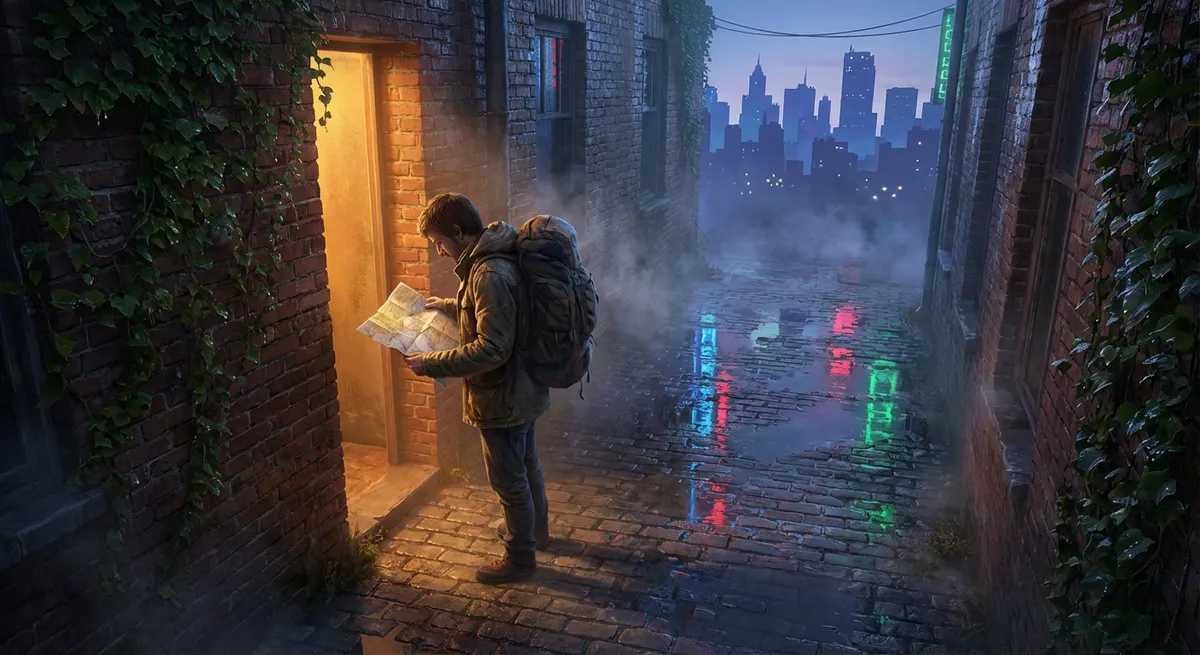
This guide is for travelers who crave that feeling of discovery—even in cities everyone thinks they already know. With a few intentional moves, you can turn any urban trip into an expedition full of hidden layers, human stories, and unscripted moments that stay with you long after your plane takes off.
Turn Transit Lines Into Your Adventure Blueprint
Forget color‑coding your itinerary by neighborhood—start with the transit map instead. Pick a metro line, tram route, or bus that runs across the entire city, then ride it from end to end just once. Get off at stations with names that intrigue you, where the crowds thin out, or where you catch a glimpse of a riverbank, hillside, or street market out the window. This approach instantly pulls you away from the tourist orbit and into everyday life, turning “transport” into your first scouting mission.
Once you find a spot that feels alive—kids playing football, teens clustered around a food stall, people hauling grocery bags instead of suitcases—hop off and wander with no agenda for at least an hour. Notice what’s on the walls: flyers, street art, neighborhood notices. Follow the smell of food or the sound of music. Use transit like an explorer uses a river: a path that stitches together totally different worlds and lets you drift between them at will. You’re not just crossing the city; you’re mapping your own version of it.
Let a Single Obsession Guide an Entire Day
Instead of trying to “see everything,” choose one oddly specific thread and let it guide you through the city. Maybe you decide today is all about staircases, rooftop views, neon signs, independent bookshops, old cinemas, or even just local bakeries that still handwrite their prices. This “one‑obsession” rule transforms wandering into a quest, and you’ll start spotting details you’d normally walk past.
Pick your theme in the morning, then search for it in different neighborhoods. Ask locals for their favorite version: “Where’s your favorite staircase in this city?” sounds strange enough to spark a smile and a real conversation. As you chase your chosen theme, you’ll naturally pass through parks, side streets, courtyards, and cafes you never would have found by following a “top attractions” list. By the end of the day, you’ll know the city through a pattern that’s uniquely yours—and you’ll have a story nobody else can copy.
Treat Sunrise and After-Midnight as Secret Worlds
Every city has three versions: the one you see at midday, the one that glows in the blue hour, and the one you can only meet when the streets are nearly empty. Build your trip around at least one sunrise and one late-night drift. At dawn, you’ll find bakers sliding trays into ovens, runners taking over river paths, shutters creaking open, and monuments standing there in silence like they’re yours alone. Grab a takeaway coffee, walk without music, and let the quiet introduce you properly to the city.
After midnight, wander along well‑lit main streets, waterfronts, or night markets where the energy shifts from hurried to unguarded. This is when you’ll see how a city really exhales: street vendors packing up, musicians improvising for the last few listeners, strangers trading stories on benches. You don’t have to stay out late every night, but dedicating even one evening and one early morning to these liminal hours gives you access to versions of the city most travelers miss completely.
Ask Hyper-Specific Questions Instead of “What Should I See?”
The fastest way to unlock real local tips is to stop asking broad, impossible questions. Instead of “What should I do here?” try questions with sharp edges that people can answer from their own lives. Ask your barista, hostel host, or rideshare driver things like: “If you had three hours off this afternoon, where would you go to feel calm?” or “Where do you take someone when you really want to impress them—but not in a touristy way?” or “If you lost your phone and had no internet, what street would you choose to wander?”
These kinds of questions flip a switch in people’s minds; they stop thinking like tour guides and start thinking like humans who live here. Write their answers down, even if you can’t hit every spot. When you follow one of these leads, commit to it fully: leave the main avenue, step into the small park, order whatever the daily special is, sit on the bench they described. This is how you trade in generic “recommendations” for deeply personal invitations into the city’s private corners.
Carry a Simple Ritual That Connects Every Trip
Pick a tiny, meaningful ritual that you repeat in every destination, something simple enough that you can do it almost anywhere—but unique enough that it feels like a personal ceremony. Maybe it’s finding a high place to watch the sunset on your first night, recording a one‑minute voice note to your future self from a quiet side street, sketching the view from a random bench, or buying a single postcard and writing about the strangest thing you saw that day (even if you never mail it).
Do your ritual at roughly the same moment in each new city: first night, last morning, or whenever you feel the “click” of connection. Over time, this becomes the thread that links all your journeys into one evolving story. Your photos and tickets will blur, but you’ll remember exactly where you were sitting when you pressed record, scribbled that sketch, or watched the sky change color. This small act turns every destination—no matter how popular—into a deeply personal chapter in your own adventure log.
Conclusion
Adventure doesn’t depend on wild landscapes or remote borders—it depends on the way you move through whatever is in front of you. When you treat urban streets like uncharted paths, transit lines like rivers, locals like storytellers, and your own habits as sacred rituals, even the most familiar city becomes thrillingly unpredictable.
On your next trip, resist the urge to merely “check off” a place. Instead, step into it like an explorer: curious, unhurried, ready to follow a strange street name or an offhand suggestion into the unknown. The wild, it turns out, is closer than you think—it’s waiting in the next station, the next sunrise, the next question you’re brave enough to ask.