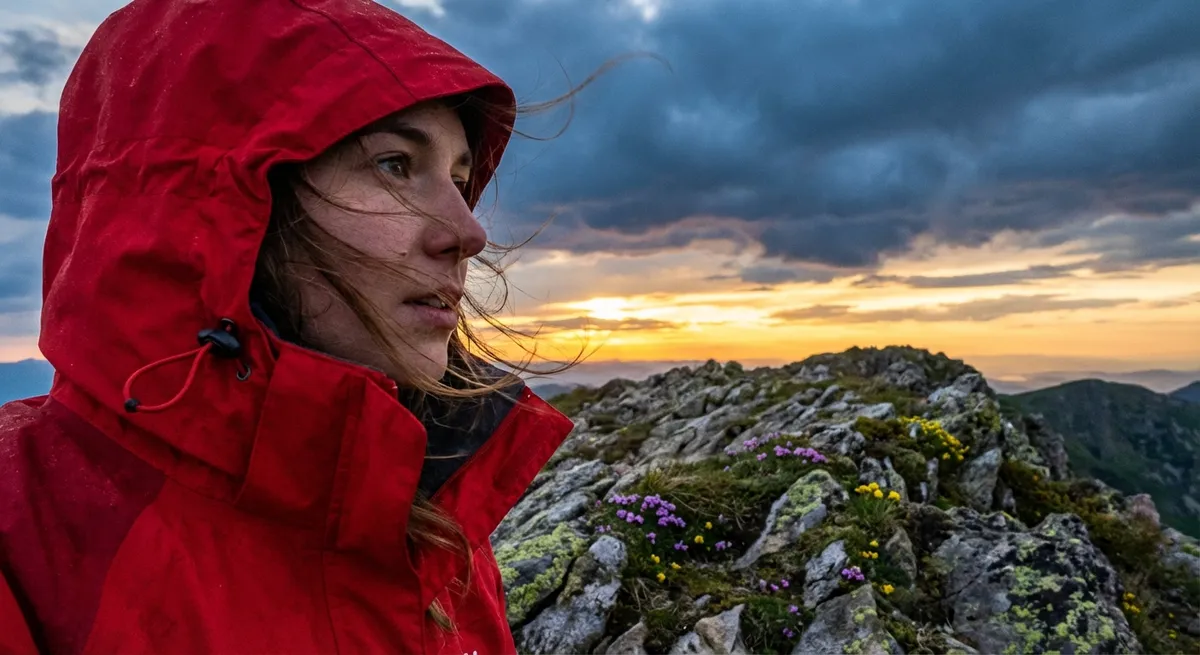
1. Chase Horizons, Not Checklists
Imagine walking into a new city at sunrise with no obligation except to follow your curiosity. No frantic rush from “top attraction” to “top attraction,” just you, a map that stays folded, and a day that unfolds on its own terms.
Adventure deepens when you stop treating travel like a scavenger hunt and start treating it like a conversation. Swap rigid itineraries for loose themes: “street art and coffee,” “sunset views,” “live music only.” Ask a barista where they would go on a rare day off. Wander beyond the postcard streets into neighborhoods with laundry hanging from balconies, kids on bikes, and grocery stores that smell like everyday life.
You’ll still see landmarks—but they’ll become scene-setters, not the whole show. This approach gives your trip texture: the corner bakery you find by accident, the tiny bookshop where you buy a secondhand guide in another language, the park where you watch locals play pickup soccer and suddenly understand a city’s rhythm. Horizons aren’t just on the skyline; they’re in the people you meet and the moments you don’t schedule.
2. Trade Passive Views for Active Experiences
There’s a difference between seeing a landscape and belonging to it for a few hours. Picture standing on a viewpoint, taking a photo, and heading back to the bus. Now picture climbing a winding trail in the same mountains, legs burning, lungs working, then reaching that view with your whole body humming. That second version—that’s the kind that stays with you.
Wherever you go, look for ways to move through the place, not just stand in front of it. Hike coastal paths instead of just pulling over at the lookout. Rent a kayak or paddleboard and explore the shoreline from the waterline, where waves slap the hull and seabirds skim just overhead. Join a cycling tour at dawn when the streets are still waking up, and you’re gliding through markets as stalls open and the smell of fresh bread floats past.
You don’t need elite fitness or expensive gear; start where you are. Choose beginner-friendly hikes, short bike routes, or guided excursions that match your level. Pack worn-in shoes, a refillable water bottle, and weather-appropriate layers. Ask about safety, local regulations, and trail conditions before you go. The goal isn’t adrenaline for its own sake; it’s to feel the world under your feet and your own strength carrying you forward.
3. Make Local Rituals Your Daily Quest
Every destination has quiet rituals that never make it into glossy brochures—and those are often where the magic hides. Think morning markets where fishermen unload the night’s catch, tea stalls where elders gather to argue about politics, or tiny bakeries that sell out by 8 a.m. If you tune into these rhythms, your days start to feel less like a trip and more like a life temporarily borrowed from somewhere else.
Start by choosing one local custom to lean into each day. In Spain, linger over a late-night paseo, strolling when the streets cool and families come out. In Japan, watch the choreography of a train station at rush hour, then slip into a quiet shrine tucked between skyscrapers. In Morocco, follow the trail of spices through a souk, then pause to share mint tea and conversation with a vendor who’s been in the same spot for decades.
You’ll gather more than souvenirs—you’ll collect micro-moments that anchor you to a place: the sound of a call to prayer threading through sunset, the first time you eat breakfast at the same café two days in a row and the staff nod like they recognize you. Respect local customs and dress codes, ask before taking photos in intimate spaces, and learn a few key phrases (“thank you,” “delicious,” “this is beautiful”). These small efforts crack the surface of a place in ways a tour never can.
4. Turn Fear into a Compass, Not a Wall
The adventures that change you most often start with a tiny knot of nervousness: stepping onto a zipline platform, signing up for a surf lesson, saying yes to a homestay with a family whose language you barely speak. That flutter in your stomach is not a stop sign—it’s a signal you’re stretching.
Instead of asking, “What if this goes wrong?” try, “What if this becomes one of the best stories I tell?” Start small. If heights scare you, maybe don’t begin with skydiving; try a short via ferrata route, a modest viewpoint hike, or a beginner-friendly climbing wall with an instructor. If solo travel feels daunting, start with a weekend in a nearby city, then gradually extend your radius.
The key is to pair courage with preparation. Research operators’ safety records, check weather conditions, read recent reviews, and make sure you have appropriate insurance for any higher-risk activities. Share your plans with someone back home, keep copies of key documents, and trust your instincts: if a situation feels off, you owe nothing to politeness—walk away. When risk is managed instead of ignored, fear becomes an ally, sharpening your focus and making the payoff—standing at the summit, catching your first wave, finishing that night hike under a sky full of stars—feel even more earned.
5. Build Adventures That Outlast the Flight Home
The best adventures don’t end when you zip your bag; they ripple forward into who you become next. The trick is to travel in a way that keeps paying dividends long after you’ve cleared customs. That means prioritizing connections, skills, and stories over stuff.
Instead of collecting fragile souvenirs, collect tools for a richer life: take a cooking class and bring home a recipe you’ll make on cold nights when you need to remember sunlight. Learn a few local phrases and keep practicing them with language apps or exchange partners when you get back. Volunteer responsibly with a vetted organization and stay in touch, following their work and finding ways to support from afar.
Protecting the places you visit also makes the memories feel cleaner and stronger. Choose trains or buses where practical, refill your water bottle instead of buying plastic, and be mindful of wildlife and fragile ecosystems. Book locally owned stays and guides so your adventure fuels the community you’re exploring. When you scroll through your photos months later, you won’t just see beautiful places—you’ll see proof that you were there in a way that mattered.
Conclusion
Adventure isn’t a far-off luxury reserved for people with endless time and money; it’s a way of meeting the world that starts every time you step beyond what feels easy and familiar. When you chase horizons instead of checklists, move your body through landscapes, lean into local rituals, let fear guide instead of block you, and build trips that echo into your everyday life, travel stops being an escape and becomes a catalyst.
Your next journey doesn’t have to be perfect; it just has to be honest and a little bit brave. Pack your curiosity, your respect for the places you’ll touch, and the willingness to let the road change you. The map is wide open. Step into it wide awake.
Sources
- U.S. National Park Service – Hiking Tips – Practical safety and planning advice for hiking and active adventures
- Centers for Disease Control and Prevention – Traveler’s Health – Health guidance, vaccines, and safety information for international travelers
- UN World Tourism Organization – Tourism and Sustainability – Insights on responsible, community-supportive travel practices
- REI Co-op Expert Advice – How to Choose a Hike – Beginner-friendly guidance for choosing appropriate hikes and preparing gear
- Lonely Planet – Responsible Travel Tips – Ideas for traveling ethically, supporting local communities, and minimizing impact