Below are five powerful shifts—part mindset, part method—that turn budget trips into vivid, unforgettable adventures.
Trade “I Can’t Afford It” for “How Can I Make It Work?”
The biggest cost in travel is often the belief that you can’t do it. Instead of asking “Can I afford to go?” start asking “What can I adjust so I can go?” That simple question flips you from stuck to strategic. Maybe it means swapping three nights in a generic hotel for one night in a special guesthouse, two in a hostel, and a sleeper train that doubles as transport and accommodation.
Think in trade-offs, not sacrifices: one fancy dinner at home could become a full day of food abroad; a month of streaming subscriptions might equal a flight sale. Use price alerts, off-season dates, and alternative airports to bend the numbers in your favor. The adventure begins the moment you start moving pieces around like a puzzle you’re determined to solve. Each adjustment isn’t deprivation—it’s you quietly voting for the life you want more of.
Turn Getting There into Part of the Adventure
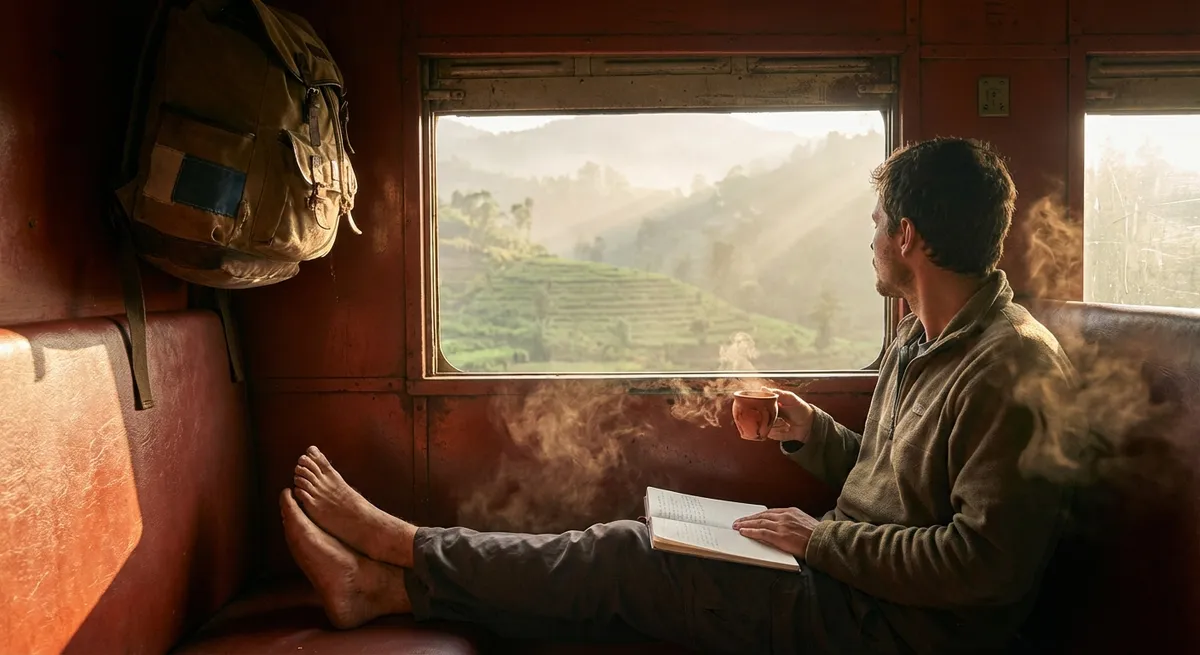
On a budget, the journey itself stops being the boring “in-between” and becomes part of the story. When you swap a quick flight for a night bus, a train, or a rideshare, you’re buying memories instead of just minutes. Long-distance trains can be rolling observatories: landscapes sliding past, strangers turning into temporary friends, snacks shared across languages, and the rhythmic sway lulling you into a half-dream state between places.
In cities, public transportation is often the cheapest—and most authentic—way to understand how a place moves. Take the tram with commuters, the metro at sunrise, or the ferry locals use instead of a tourist boat. Ride in the “wrong” direction for an extra stop just to see where the line ends. Use walking as your secret budget weapon: you’ll discover side streets, corner bakeries, and views you’d never see from a taxi window. When you treat every transfer, walk, and ride as exploration, there’s no such thing as dead time—only more story.
Sleep Small, Experience Big
Where you sleep on a budget trip is less about thread count and more about connection, character, and location. Hostels, homestays, guesthouses, and small family-run inns stretch your money while multiplying your experiences. A hostel kitchen at dinner time is a United Nations of recipes and route tips. A homestay breakfast can turn into a conversation about politics, music, or the best hidden waterfall that never shows up on Google Maps.
Instead of paying for a view from your window, pay to be close to the moments you care about: walking distance to the old town, a night market, a hiking trailhead, or the bus hub. Simple rooms become launchpads for rich days. Use filters and reviews to find places that prioritize cleanliness, safety, and community over frills. When you spend less on a bed, you can spend more on the things that actually make the trip unforgettable—like that sunrise boat, that cooking class, or that last-minute detour to a nearby village you’d never planned on seeing.
Eat Like You Live There, Not Like You’re Visiting
On a budget, every meal is a chance to taste the real rhythm of a place. Look for where the line of locals is, not where the laminated English menu sits out front. Street food, markets, and tiny neighborhood restaurants let you eat well for less while you soak up sounds, smells, and small, unfiltered moments of daily life. A bowl of soup at a plastic table under neon lights can imprint deeper in your memory than a white-tablecloth dinner ever could.
To save money, think “big meal midday.” In many countries, lunch specials are cheaper and more generous than dinner. Fill up then, and go lighter at night with bakery finds, market snacks, or shared plates. Buy fruit from local vendors, picnic in parks, and try the drink everyone seems to order. Learn one or two key phrases—“What do you recommend?” or “What’s your favorite?”—and let the staff or stall owner guide you. You might not always know exactly what’s on your plate, but you’ll come home with stories that taste like someplace else, not like a carefully curated version of home.
Let Flexibility Be Your Superpower
When you’re not locked into expensive tours or strict timetables, the world becomes a lot more generous. Budget travel and flexibility are best friends: the cheaper options often appear for those willing to move dates, shift destinations, or say yes to Plan B. That unexpected night in a small town because the last bus left early? It might deliver your most memorable sunset. That low-cost flight to a nearby city instead of your “dream” one? It could open a door to a place you never knew you’d love.
Build your plans like scaffolding, not concrete walls. Sketch a rough route and a few must-dos, then leave breathing room for surprises. Ask locals what’s happening that week—festivals, markets, performances, football matches. Be ready to pivot when you spot a flier, hear a recommendation, or click with another traveler’s plans. Flexibility doesn’t just save money; it allows serendipity to lead. And those unplanned turns are often the very moments you’ll think about years later when you’re back home, wondering how such a small budget bought you such a wide, wild chapter of your life.
Conclusion
Budget travel isn’t a lesser version of “real” travel; it’s a different philosophy altogether. It asks you to trade polish for presence, speed for depth, and comfort zones for curiosity. When you travel this way, you learn that a simple room can hold big dreams, that a bus ticket can change how you see the world, and that your life doesn’t need to be on pause while you wait to have more money.
You don’t have to be rich to collect rich experiences. You just have to be willing to plan with intention, spend with purpose, and say yes to the kinds of adventures that don’t always fit into glossy brochures. The world is closer than it feels—and your next chapter might be one decision, one booked ticket, one bold “I’ll make it work” away.
Sources
- U.S. Department of State – Traveler’s Checklist - Official guidance on documents, safety, and preparation for international trips
- OECD – Tourism Trends and Policies - Data and insights on tourism patterns, including budget-conscious travel behaviors
- European Commission – Passenger Rights - Information on air, rail, bus, and boat passenger rights that can help budget travelers handle delays and cancellations
- Hostelling International - Tips and resources on staying in hostels, meeting people, and keeping costs low
- Lonely Planet – Budget Travel Tips - Practical advice and strategies for making travel more affordable while still meaningful