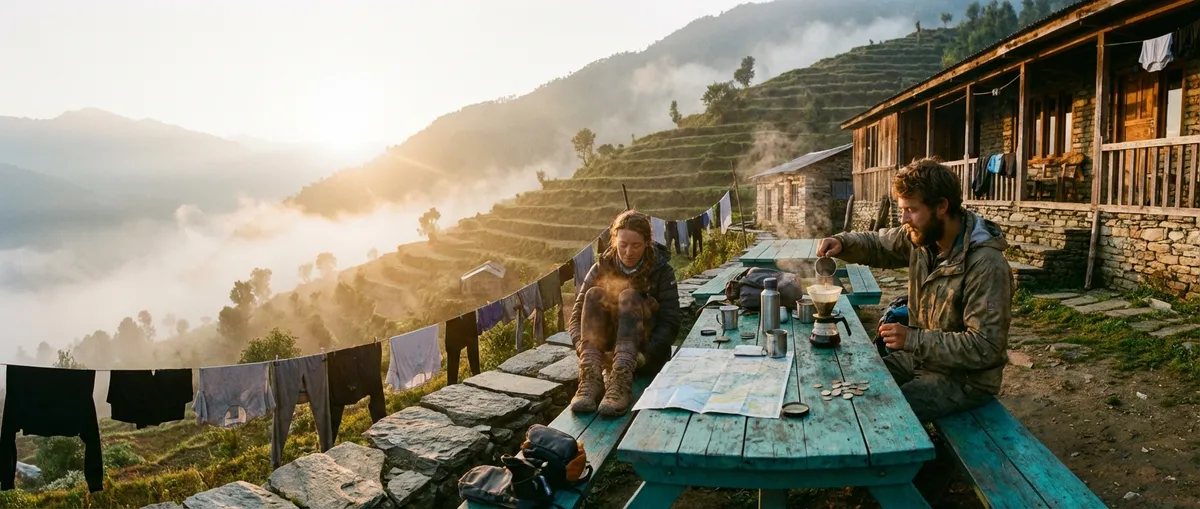
Below are five powerful shifts that turn “maybe someday” into “I’m going now,” without draining your bank account.
Travel by Rhythm, Not by Season
Most travelers move in predictable waves—school holidays, long weekends, peak summer breaks. Budget travelers move by rhythm. They tune into shoulder seasons and off-peak windows when flights are cheaper, streets are calmer, and locals have time to actually talk.
Traveling just before or after peak season can cut your major costs dramatically. Flights and accommodations often drop, but the weather can still be beautiful, and attractions remain open. You might wander through nearly empty museums in Europe’s early spring, hike tropical trails after the holiday rush, or enjoy beach towns with locals instead of tour buses.
To find your rhythm, look up historical price patterns for flights and hotels, and compare them with climate data. Instead of asking, “When does everyone go?” ask, “When is it still magical, but overlooked?” Moving slightly against the global current is one of the simplest ways to make your budget feel bigger and your journey feel more intentional.
Turn Where You Sleep Into Part of the Adventure
On a budget trip, your bed can be more than just a place to crash—it can be part of the story. Skip generic hotels when you can, and look for hostels, guesthouses, homestays, and overnight transport that add character as well as savings.
Well-rated hostels today can feel like creative hubs: rooftop kitchens with city views, coworking corners, and communal dinners that turn strangers into travel partners. In smaller towns, family-run guesthouses and homestays often cost less than chain hotels and come with something you can’t buy: local perspective. You might wake up to homemade bread, find handwritten notes suggesting secret viewpoints, or be invited to a neighborhood celebration.
On longer routes, consider scheduling overnight buses or trains. They save you a night’s accommodation and carry you through landscapes that most people only see from 30,000 feet. Bring a travel pillow, an eye mask, and a light layer, and your moving bedroom becomes part of the adventure instead of just a budget hack.
Eat Like You Live There, Not Like You’re Passing Through
Your food budget can quietly drain your funds—or become one of the most joyful parts of traveling light. The secret is to eat like a local resident, not like a rushed visitor. That means stepping away from the most obvious restaurant strips and toward markets, bakeries, street stalls, and neighborhood cafes.
Start your day with something fresh and simple from a supermarket or bakery: fruit, yogurt, bread, or pastries. For midday fuel, explore where office workers and students eat. Busy lunch counters, no-frills buffets, and set “menu of the day” spots usually offer generous portions for a fraction of tourist prices. Street food, when chosen carefully from popular and clean-looking stalls, can be both safe and spectacular.
If your accommodation has a kitchen, treat it like your secret superpower. Cook one meal a day—perhaps breakfast or a big dinner—and use local ingredients to recreate flavors you’ve discovered. You’re not just saving money; you’re weaving yourself into the daily rhythm of the place, one market run at a time.
Use the City Itself as Your Main Attraction
Some of the richest travel experiences are the ones that never show up on ticket stubs. Budget travelers learn to see entire cities and landscapes as living museums—full of free or low-cost ways to explore deeply.
Before you splurge on expensive attractions, map out what you can experience for little or nothing: waterfront promenades, historic neighborhoods, parks, hillsides, and public viewpoints. Many cities offer free walking tours (tip-based) led by passionate locals who will share stories you won’t find in guidebooks. Others have free museum days, community events, open-air concerts, and markets that reveal a place’s personality better than any pricey package.
Ride local buses or trams for a cheap moving panorama, hop off where curiosity pulls you, and let yourself wander on foot. The act of getting lost (safely and intentionally) down backstreets, alleys, and residential areas often gives you more insight into real life than any curated attraction. When you measure a day in moments instead of receipts, your budget suddenly stretches very far.
Make Your Money Follow Your Curiosity, Not Your Habits
The most powerful move in budget travel has nothing to do with coupons or discounts. It’s about deciding what you truly care about—and then aligning your money with that, instead of with automatic habits you carried from home.
Maybe you don’t need a fancy hotel, but you dream of scuba diving once. Perhaps you can skip daily café lattes, so you can afford a night train, a cooking class, or a sunrise hot-air balloon ride. When you frame your budget as a trade—this small comfort now for that big memory later—your decisions feel exciting instead of restrictive.
Before you leave, choose three things you refuse to compromise on—experiences that will define your journey. Build your budget around those. Then list expenses you’re willing to minimize: private taxis, constant eating out, souvenir shopping, or high-end nightlife. As you travel, track your spending in a simple app or notebook. Watching your choices stack up toward your priorities becomes motivating, almost like leveling up in a game where the prize is your own incredible story.
Conclusion
Budget travel isn’t about settling for less; it’s about choosing differently so you can have more of what actually matters—time, freedom, and stories you’ll tell for the rest of your life. When you move by your own rhythm, sleep in places that spark connection, eat with intention, let the city itself entertain you, and spend in line with your curiosity, your budget turns from a barrier into a catalyst.
You don’t need to wait for “someday” or a bigger paycheck to feel the world open up. You start where you are, with what you have, and step into the unknown knowing this: the richest part of your journey was never going to be in your wallet—it was always going to be in the way you choose to live it.
Sources
- U.S. Department of Transportation – Air Travel Consumer Reports - Offers insights into flight trends and can help travelers understand when and how to book smarter.
- U.S. Bureau of Labor Statistics – Consumer Price Index Data - Provides context on cost-of-living differences that can inform budgeting for travel in various regions.
- Lonely Planet – Budget Travel Tips - Practical advice from a major travel publisher on saving money while exploring the world.
- World Health Organization – Food Safety: What You Should Know - Guidance that helps travelers choose safe street food and eat affordably without compromising health.
- Rick Steves Europe – Money-Saving Travel Tips - Detailed strategies for cutting travel costs while still having rich cultural experiences.