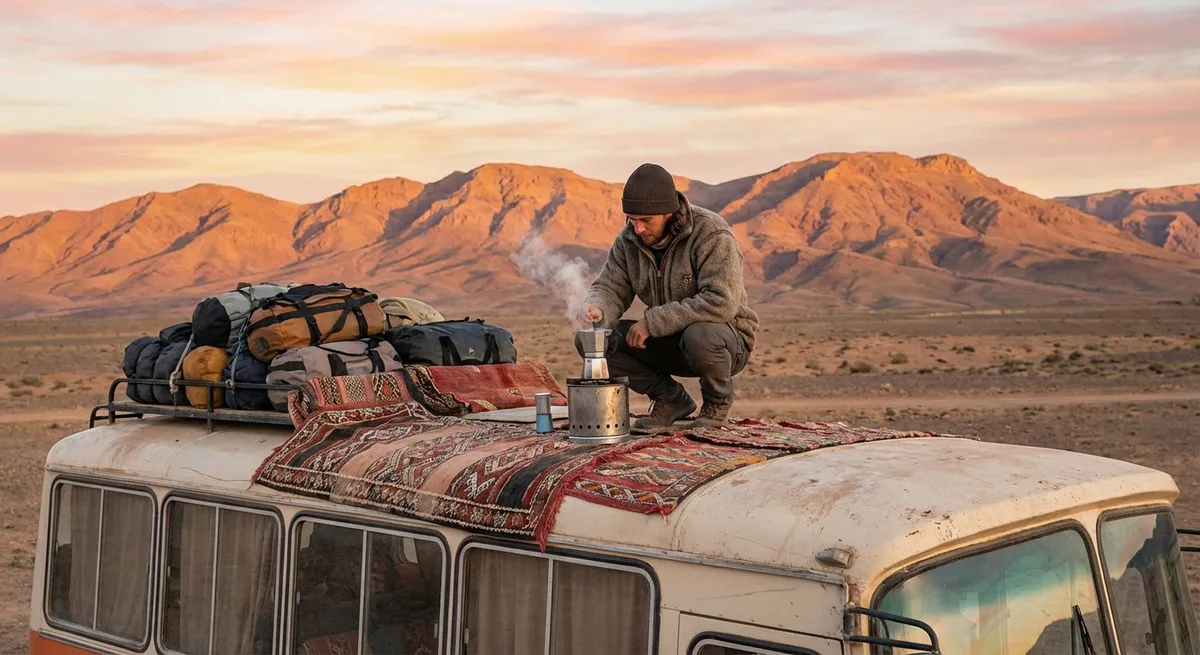
Below are five captivating ways to turn limited funds into a limitless journey, with vivid experiences and practical moves you can start planning today.
1. Sleep Where the Story Is: Hostels, Homestays, and Night Trains
Luxury hotels can be beautiful, but they often put you in a bubble. Budget stays crack that bubble wide open and drop you straight into the heartbeat of a place. In a hostel kitchen, you might share breakfast with a Belgian cyclist and a Brazilian artist. In a homestay, you learn how a family really lives—what they cook, watch, and worry about. On a night train, you fall asleep to the rhythm of the rails and wake up in a new world without paying for a hotel at all.
Instead of defaulting to the cheapest anonymous room, choose budget stays that add to your story. Look for hostels with communal spaces, free walking tours, and lockers. In rural areas, seek out family-run guesthouses where your money stays in the community. When possible, opt for overnight buses or trains to combine transport and accommodation—just pack earplugs, an eye mask, and a light scarf for warmth. These choices don’t just cut costs; they turn your bed for the night into a chapter worth remembering.
2. Eat the Streets: Flavor-Packed Meals for a Few Dollars
Budget travel isn’t about surviving on instant noodles; it’s about eating like locals do. Street food stalls, market counters, and tiny family-run eateries are where the real flavors come out to play. Steam rises from pots you can’t name. Griddles hiss as something fragrant hits the metal. Plastic stools. Paper napkins. The bill: less than your usual coffee back home. Yet the taste? It’s often better than anything on a white tablecloth.
Walk a block or two away from major tourist sights and watch where local workers, students, or taxi drivers eat. That’s your signal. Order the daily special or the dish everyone else seems to be having. Try markets for fruit, bread, cheese, and snacks to build your own picnic overlooking a river or a skyline. If you have a hostel kitchen, hit a grocery store and experiment with local ingredients; you’ll save money and learn how the country actually eats. The goal isn’t to spend nothing on food—it’s to trade expensive, forgettable meals for cheap, unforgettable ones.
3. Let the City Be Your Guidebook: Free Adventures Hiding in Plain Sight
Every city and town hides a stack of free or almost-free experiences if you know where to look. Parks where old men play chess under the trees. Street art alleys that feel like open-air galleries. Free museum days that swap admission tickets for a bit of patience in line. River walks, sunrise viewpoints, cathedral steps—so much of what makes a place memorable doesn’t cost a cent.
Before you arrive, search for free walking tours, museum discount days, and public festivals. Many cities publish event calendars on their official tourism or city websites. Once you’re there, ask hostel staff or café baristas where they go on their days off. Walk whenever it feels safe to do so; you’ll save money and catch details you’d miss in a taxi—laundry flapping from balconies, kids playing in side streets, hidden courtyards. Build your days around one or two big paid experiences and fill the rest with free wandering. The surprise encounters and unplanned corners will likely be the parts you talk about for years.
4. Travel Slower, Feel Deeper: How Fewer Stops Save Cash and Add Meaning
Rushing from city to city may look impressive on a map, but it quietly drains your budget through constant transport, check-in fees, and impulse snacks at stations and airports. Slow travel flips the script. Stay longer in fewer places and you’ll watch your costs drop while your connection to each destination deepens. You become a familiar face at the corner bakery. You learn which street fills with music at dusk. You stop feeling like a visitor and start moving like you belong.
Plan a route that focuses on one region instead of a whole continent. Use regional buses and trains instead of flights whenever possible; they’re often cheaper and far more scenic. Weekly apartment rentals or long-stay hostel rates can be significantly lower per night than quick stops. With more time, you can shop at local markets, cook your own meals, and discover lower-priced options that rushed travelers miss. Slow travel teaches you that adventure isn’t in constant motion—it’s in paying attention.
5. Craft a “Big Life” Fund: Smart Saving Before You Ever Board a Plane
The adventure starts long before you pack your bag; it starts every time you choose your future trip over a forgettable purchase. Think of your travel fund as a “big life” account—a pool of courage and intention in numeric form. Every dollar you move into it is a tiny vote for the life you want to live, not just the life that happens to you.
Open a separate savings account (or virtual “vault”) dedicated only to travel. Set up an automatic transfer each week, even if it’s small—consistency beats intensity. Use apps or your bank’s tools to track spending and identify patterns you can trim: unused subscriptions, frequent takeout, ride shares you could replace with walking or public transport. When booking flights, be flexible with dates and nearby airports—midweek departures and shoulder seasons can slice costs dramatically. Take advantage of public transit passes, youth or student discounts if eligible, and rail or bus passes in regions where they make sense. The more intentional your planning and saving, the freer and wilder you can be once your feet hit foreign ground.
Conclusion
Budget travel is not the consolation prize for people who “can’t afford real travel.” It is real travel—the kind that strips away pretense and drops you directly into the raw, pulsing core of a place. When you sleep in character-filled hostels, eat at roadside stalls, chase free experiences, move slowly, and save with purpose, you’re not cutting corners. You’re carving your own path.
The world doesn’t belong only to those with deep pockets. It belongs to the ones willing to step onto a bus they’ve never taken, order a dish they can’t pronounce, or watch a sunrise from a train window at the edge of sleep. Your next chapter doesn’t have to be expensive—it just has to be brave. Pack light, plan smart, and let your budget be the spark, not the barrier.
Sources
- U.S. Department of State – Travel Advisories - Official safety information and advisories to check before choosing destinations and planning routes
- European Commission – Rail Passenger Rights - Guidance on rights, refunds, and protections when using trains across Europe
- Hostelling International - Overview of hostel culture, membership benefits, and budget-friendly accommodation options worldwide
- Lonely Planet – How to Travel on a Budget - Practical tips on saving money on transport, food, and accommodation while traveling
- National Park Service (NPS) - Official information on U.S. national parks, including free-entry days and low-cost outdoor activities