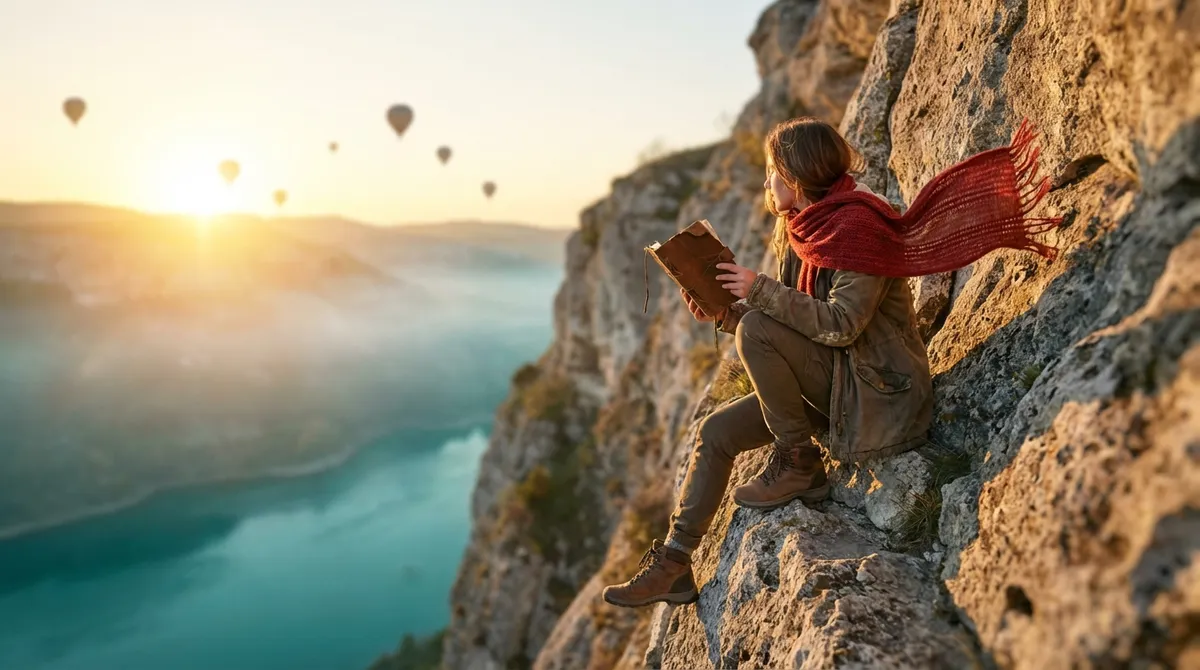
This is your invitation to move differently through the world. Not just to see new places, but to feel them. To let them challenge what you think you’re capable of—and who you think you are.
Below are five bold ways to travel that don’t just fill your camera roll, they rewire your sense of possibility.
1. Chase Altitude, Find Perspective: Summit-Driven Journeys
There’s a reason people keep going back to the mountains—they are honest. A summit doesn’t care about your job title or your follower count. It only answers one question: did you keep going?
Plan a trip around earning a view instead of just booking one. Maybe it’s a beginner-friendly trek in the Dolomites, a guided hike to a volcano rim in Guatemala, or a sunrise climb above the clouds in Indonesia. Look for routes that match your current fitness level, not your ego, and work up from there.
Pack intentionally: broken-in boots, layers for shifting weather, and more water than you think you need. If high-altitude trekking is new to you, learn the basics of acclimatization and give yourself extra days to adjust instead of racing to the top.
The magic isn’t just in the final panorama—it’s in the slow rhythm of your own footsteps, the shared silence with strangers on the trail, the moment you realize your legs can carry you farther than your doubts ever said they could.
Adventure move: On your next trip, choose at least one destination that must be earned on foot. Let your itinerary revolve around a climb, not a check-in time.
2. Trade Neon for Stars: Wild Nights Under Open Skies
The brightest thing you see at night shouldn’t always be a screen or a billboard. Some of the most powerful travel experiences happen when you step far enough away from the noise that you can finally hear the hush of the universe.
Seek out dark-sky regions, national parks, or remote coastal areas where light pollution fades and the Milky Way cuts across the sky like a river of crushed diamonds. Learn a few constellations before you go; it turns a pretty view into a dialogue with the cosmos.
If you’re new to camping, start gently: a guided overnight in a desert, a cabin near a national park, or a glamping site that lets you sleep close to nature without sacrificing safety or comfort. Bring a headlamp, warm layers (even in the desert nights get cold), and download offline star maps or stargazing apps before you lose signal.
What you’ll remember isn’t the tent setup—it’s the feeling of lying on your back, wrapped in quiet, realizing how small you are and how big your life could still become.
Adventure move: Add one night in a certified dark-sky area or remote natural spot to your next city-centric trip. Make that night screen-free and let the sky be your only show.
3. Follow the Water’s Edge: Journeys That Flow Instead of Rush
Rivers, coastlines, and island chains have a way of slowing you down and stretching you out at the same time. When you travel with water as your guide, you swap “must-see lists” for “let’s-see-where-this-goes.”
Imagine tracing a river from its mountain source to the sea, stopping in small towns along the way. Or island-hopping by local ferry instead of quick flights, letting each dock reveal a new rhythm, accent, and plate of food. Coastal roads can become entire adventures: winding along cliffs, pausing at hidden coves, following fishermen’s markets instead of guidebooks.
Practical moves matter here: pack a light, compressible daypack, water shoes or sandals you can get wet, and a dry bag to protect your essentials on boats or kayaks. Learn basic water safety and always respect local warnings—currents and tides are as real as they are beautiful.
Flow-based journeys teach you to travel like a river: persistent, adaptable, and willing to carve a new path when the old one ends.
Adventure move: On your next trip, let a single body of water define your route. Plan stops along it rather than around famous landmarks.
4. Learn a Skill Where It Was Born: Experiences That Leave You Changed
Some places don’t just offer sights—they offer skills. And when you leave with something new in your hands or your body, the place never really lets you go.
Think beyond basic “activities.” Take a freediving course on a Mediterranean island, learn traditional bread baking in a mountain village, or join a multi-day wilderness skills workshop in a national park. Swapping passive tours for immersive learning turns your trip into a transformation lab.
Research reputable schools or instructors ahead of time; look for certifications, reviews, and a focus on safety and ethics. Show up as a beginner, even if you’re usually the expert in your life. Making mistakes in another language or culture is humbling—but that’s where real growth hides.
What you gain isn’t just a new talent. It’s a living souvenir you carry into your everyday life: the way you breathe differently underwater, chop vegetables the way a local showed you, or pitch a tent with calm confidence when the wind kicks up.
Adventure move: Build at least one multi-day class, course, or workshop into your next journey. Let the destination teach you something only it can.
5. Let Strangers Rewrite Your Map: Human-First Adventures
The most surprising adventures rarely come from algorithms. They come from the person sitting next to you on the bus, the café owner who circles their favorite viewpoint on your map, the guide who detours to show you where they played as a child.
Travel with the intention to collect stories, not just stamps. Choose accommodations that encourage interaction—guesthouses, small locally run hotels, eco-lodges, or homestays where it’s normal to linger over breakfast conversations. Join walking tours run by residents, language exchanges, or small-group experiences that emphasize cultural exchange.
Respect and curiosity are your most important gear. Learn basic phrases in the local language, understand cultural norms, and ask permission before taking photos—especially of people. Bring your questions, but be ready to listen more than you speak.
Often, the most unforgettable moments aren’t on any top-10 list: an invitation to a family dinner, a spontaneous ride to a village festival, a quiet conversation about dreams and worries that sound a lot like your own.
Adventure move: Instead of planning every hour, leave open days in your itinerary and allow local conversations—not search engines—to shape where you go next.
Conclusion
Adventure isn’t a category of travel; it’s a way of meeting the world.
It’s saying yes to altitude when your legs tremble. To darkness when cities have taught you to fear the quiet. To rivers that don’t run in straight lines. To skills that make you clumsy again. To strangers who turn foreign streets into familiar ground.
You don’t need to wait for the “perfect time” or the “perfect trip.” You only need one bold decision: to let your journeys ask more of you than comfort and convenience—and to trust that you’re capable of answering.
Pack your curiosity. Pack your courage. The world is out there, daring you back.
Sources
- U.S. National Park Service – Hiking Safety – Practical guidance on preparing for hikes, trail safety, and responsible behavior outdoors
- International Dark-Sky Association – Find a Dark Sky Place – Directory of officially recognized dark-sky parks and communities around the world
- Centers for Disease Control and Prevention – Travel Health – Essential health and safety information for international travelers, including destination-specific advice
- UNESCO – Intangible Cultural Heritage – Overview of cultural practices and traditional skills that can inspire meaningful, place-based learning experiences
- World Tourism Organization (UNWTO) – Tourism and Local Communities – Insights on community-based tourism and responsible engagement with local populations