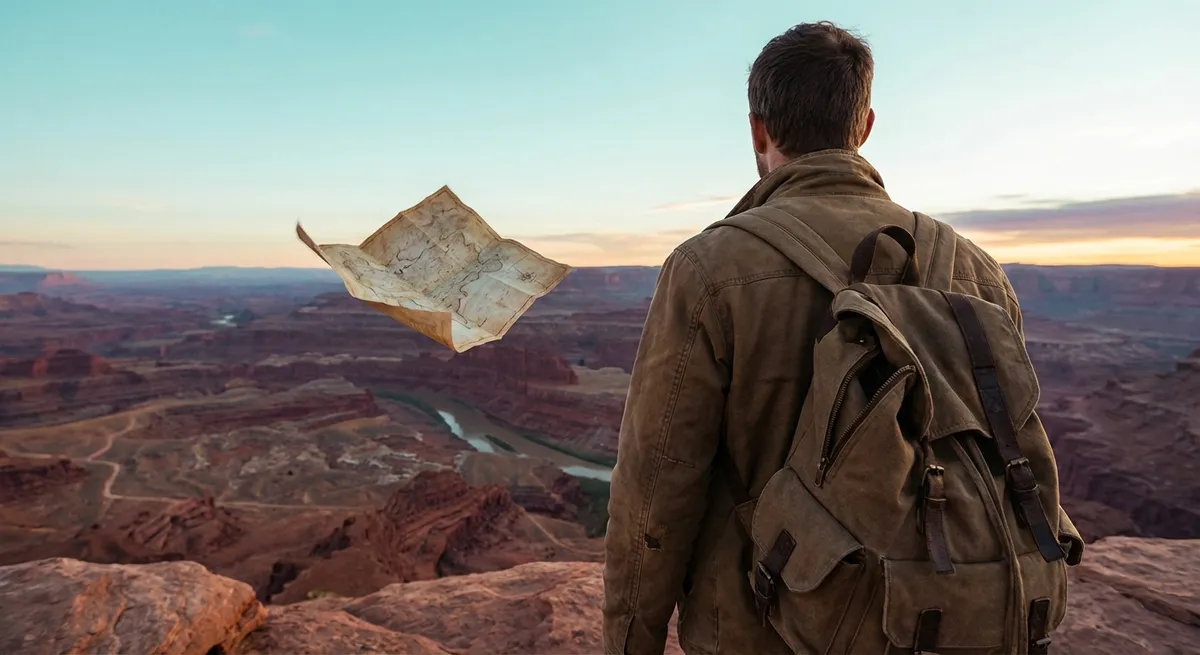
This isn’t about ticking boxes or chasing bragging rights. It’s about saying yes to the kinds of journeys that make your heart race a little faster—and your life feel a lot bigger.
Below are five kinds of adventures that don’t just look good in photos; they rearrange something inside you.
1. Follow the Water: Rivers, Fjords, and Coastlines That Change You
There’s something magnetic about water: it moves, it carves, it reshapes everything it touches. Traveling along rivers, fjords, and coastlines lets you feel that same slow, powerful transformation in yourself. Picture paddling a kayak across mirror-still water at sunrise, the world hushed except for the dip of your paddle and a distant birdcall. Or drifting down a lazy river in a small boat, watching villages unfold like pages of a storybook around each bend.
Seek out places where the water dictates the rhythm of life—fjord towns in Norway where mountains erupt straight out of the sea, river markets in Southeast Asia that wake before sunrise, coastal paths in Portugal or South Africa where every turn hands you a fresh horizon. Don’t just pass through: stay long enough to learn the tide schedule, to understand why locals read the water like a second language.
Practical tip: If you’re new to water-based adventures, start with guided day trips—kayak tours, beginner rafting, or coastal hikes with local guides who know the terrain and weather patterns. Pack dry bags for gear, quick-dry clothing, and always respect local safety advice and regulations.
2. Go Vertical: Climb, Hike, and Sleep Closer to the Sky
There’s a special kind of clarity that comes from earning your view. High places strip away the noise—no notifications, no traffic, just your breath, your footsteps, and the vastness opening up around you. Whether it’s a sunrise hike to a volcanic rim, a multi-day trek through alpine passes, or a via ferrata clinging to a cliff face, vertical adventures remind you exactly how strong you can be.
You don’t need to be an elite mountaineer to feel the pull of elevation. Start small: city viewpoints, short day hikes, or hilltop temples. Then graduate to longer trails, highland villages, and mountain refuges where stars feel close enough to touch. Spend a night in a mountain hut or eco-lodge; let the wind rattle the windows while you fall asleep knowing there’s nothing between you and the sky but cold air and a few thousand meters of mountain.
Practical tip: Research altitude and weather conditions carefully. Good boots, layered clothing, and a basic understanding of altitude sickness can turn a grueling trudge into a deeply empowering experience. Choose well-marked routes or reputable guiding companies, especially for higher or unfamiliar terrain.
3. Chase Dark Skies: Adventures After the Sun Goes Down
Most trips end when the sun slips away—just when a whole different adventure is waking up. Night changes everything: familiar landscapes become mysterious silhouettes, sound becomes sharper, and the sky transforms into a living map of constellations. Stargazing trips in remote deserts, night safaris on African plains, bioluminescent bays where the water glows when you move—these are the kind of moments that remind you the universe is not just a backdrop, but a character in your story.
Seek out certified dark sky parks or remote islands where light pollution is almost nonexistent. Join a night hike with a local guide and listen as the forest swaps birdsong for insect orchestras. Paddle across a midnight bay and watch each stroke shimmer electric blue around your paddle in certain bioluminescent hotspots. Adventure after dark isn’t about adrenaline; it’s about awe.
Practical tip: Bring a red-light headlamp (to protect your night vision), warm layers (even warm places cool fast after sunset), and confirm safety guidelines for wildlife and terrain. Explore with trusted operators who prioritize environmental protection, especially in sensitive ecosystems like bioluminescent lagoons.
4. Ride the Rhythm: Journeys on Trains, Bikes, and Long Roads
Some adventures aren’t about where you end up; they’re about the pace you move through the world. Long train journeys, cycling routes, and road trips let you watch whole landscapes morph slowly, connecting the dots between big-name destinations and the quiet, ordinary magic in between. Imagine sipping tea in a train dining car as snow-dusted forests flick past, or coasting on a bike down a country road lined with orchards and stone farmhouses.
Overland travel forces you to be present: you feel distance in your muscles, not just in your itinerary. You become part of the scenery instead of just a visitor dropping in. Unexpected stops—a roadside fruit stall, a tiny town festival, an unplanned conversation with a fellow traveler—often become the highlight of the trip.
Practical tip: If you’re new to this style of travel, combine a longer overland leg with shorter stays. Book at least the first and last nights along your route, but leave flexibility in the middle. For bikes and road trips, research safety, road conditions, and local driving norms. For trains, learn how reservations work and check for scenic routes or sleeper cabins to upgrade the experience without breaking your budget.
5. Step into Someone Else’s Everyday: Immersive Local Experiences
Some of the most powerful adventures don’t look dramatic from the outside. They happen around shared tables, in bustling markets, and on side streets far from the main square. Cooking with a local family, helping bring in a harvest for a day, joining a neighborhood festival, or learning a craft from an artisan—these experiences pull you into the heartbeat of a place instead of keeping you on the surface.
When you trade polished performances for real participation, travel stops feeling like consumption and starts feeling like connection. You learn how people actually live, what they care about, what makes them proud. You might leave with new skills—how to fold dumplings properly, how to navigate a local bus network, how to say “thank you” in a language you’d never heard a year ago—but more importantly, you leave with relationships and stories that don’t fit neatly in a caption.
Practical tip: Look for vetted community-based tourism projects, small-group workshops, and locally run homestays. Be curious but respectful: ask before taking photos, learn a few phrases in the local language, and choose experiences that are transparent about where your money goes and how communities benefit.
Conclusion
Adventure isn’t a personality trait—it’s a practice. It’s the decision to keep stepping out, even when your knees shake a little, to keep saying yes to the unknown version of yourself waiting on the other side of a river crossing, a mountain pass, a midnight sky, or a stranger’s front door.
You don’t have to overhaul your entire life to live more adventurously. Start small. Take the train instead of the plane once. Book a guided night walk. Try a beginner hike beyond your usual path. Share a meal with people whose language you barely speak. Each step stretches your comfort zone until one day you realize: this isn’t a vacation anymore. This is the way you live.
The map is wide open. The question now is simple: where will you dare yourself to go next?
Sources
- International Dark-Sky Association – Dark Sky Places - Directory of certified dark sky parks and communities for stargazing adventures
- U.S. National Park Service – Night Skies - Information on stargazing, light pollution, and night sky programs in U.S. national parks
- Centers for Disease Control and Prevention – Travel Health - Guidance on staying healthy and safe during outdoor and adventure travel
- Leave No Trace Center for Outdoor Ethics - Best practices for responsible hiking, camping, and nature-based adventures
- UN World Tourism Organization – Community-Based Tourism Insights - Overview of how to engage in local, community-centered travel responsibly