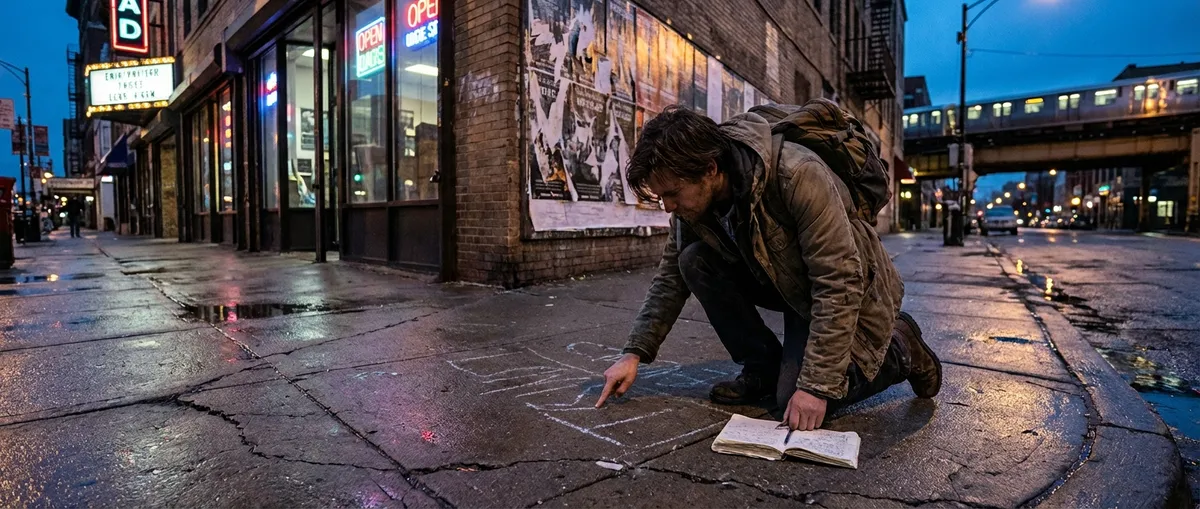
1. Follow the First Sound That Grabs You
Forget the map for a moment and let your ears lead.
Step out of your hostel, hotel, or campsite and stand still. Close your eyes. What cuts through the hum first—a street musician, the crack of a market vendor’s voice, bells from a temple, waves hitting a seawall, the hiss of a grill?
Pick that sound and walk toward it.
You might find yourself at a tiny cafe where regulars argue over football scores, or a seaside pier where teenagers leap into the water at sunset. This is how you slip past the postcard version of a place and into its living heartbeat.
Practical tips:
- Go early or late. Dawn and late evening reveal more authentic rhythms—bakeries loading ovens, fishermen returning, kids biking home.
- Pause before you photograph. Count to ten. Listen first. Ask: What’s happening here that a photo can’t show? Then frame your shot to tell that deeper story.
- Respect personal space. If you’re drawn to a sound coming from a home, school, or religious space, stay at the edges unless invited in.
When you travel by ear, you start collecting stories that don’t show up in guidebooks—quiet victories, daily rituals, the music of real life.
2. Eat Where the Lines Are Long and the Menus Are Short
Every adventure traveler knows “eat local,” but the magic is in how you choose.
Skip the glossy spots with laminated English menus and staff waving you in. Drift down side streets until you find:
- A line of locals snaking out the door
- A cramped counter with steam clouding the windows
- A place that seems to serve just one or two dishes—and people are happy to wait
That “one thing they do better than anyone” is often the most honest introduction to a place you can get.
Practical tips:
- Watch before you sit. See how people order. Do they pay first? Share plates? Add their own toppings from a communal tray? Copy the flow.
- Point and smile. Where you lack language, you have body language. Point to what looks good, hold up fingers for quantity, and be generous with “thank you” in the local tongue.
- Ask for “what you eat.” If there’s a chance for a basic conversation, try: “What do you eat here?” and follow their lead.
These tiny, crowded, no-frills eateries are where you’ll end up swapping stories with strangers, tasting family recipes, and realizing the most memorable meals are rarely the fanciest.
3. Walk the Edges: Shorelines, City Limits, and Last Stops
Every destination has an “edge”—the place where the city thins out, the buses stop being full, or the land simply ends in water or wilderness. Those edges are where the quiet, cinematic parts of your trip often unfold.
Seek out:
- The last tram stop before the line turns back
- The farthest point on the harbor where working boats dock, not just tourist cruises
- The fence line between town and fields, or the path where pavement gives way to dirt
At the edges, you see who a place is when it’s not performing for visitors.
Practical tips:
- Use transit as a compass. Take a bus or metro to its final stop, then walk a bit further. Bring water, sun protection, and download offline maps first.
- Time it for golden hour. Late-afternoon light transforms empty lots, ports, and hills into film scenes. You’ll get better photos and a softer, safer atmosphere.
- Know your limits. If an area feels unsafe, trust your instincts. Turn back, switch sides of the street, or share your live location with someone you trust.
The edges are where you watch kids play pickup games, see city lights flicker on from a quiet hillside, and feel like you’ve stepped behind the curtain of the postcard.
4. Turn One Day Into a Mini-Quest
Not every adventure needs cliffs or plane tickets. Some of the wildest joy comes from setting yourself a simple, playful challenge and letting it shape your day.
Pick a theme, then let it guide you:
- Colors: Find something red in every neighborhood you visit—front doors, murals, scooters, spices in the market.
- Bridges or stairways: Cross every bridge you see, or follow every visible staircase to see where it leads.
- Local rituals: Track down three versions of one local specialty—coffee, dumplings, tea, bread—and compare.
Your quest gives you an excuse to wander deeper, talk to people, and push past the “top 10 things to do” cage.
Practical tips:
- Document the quest, not just the views. Photograph your “clues” in the same style—same camera angle, same pose, or same object—so you can stitch them into a shareable story later.
- Let locals in on it. Tell a vendor or barista about your quest. “I’m trying all the [local dessert] in town—where should I go next?” You’ll get passionate, hyper-local recommendations.
- Stay flexible. If your quest leads you to a festival, invitation, or detour, drop the rules and follow the energy instead.
Your day stops being “I wandered around” and becomes “I went on a citywide treasure hunt and found…”—a story worth remembering and sharing.
5. Trade Spectating for Participating
The deepest adventures start when you stop standing at the edge of other people’s lives and step in—even just a little.
Instead of only watching:
- Take a class: A one-hour dance, cooking, or craft class can give you a new way to understand a culture from the inside out.
- Join a pickup game: If you see a group playing soccer, volleyball, or basketball in a park or on a beach, linger at the sidelines. If the vibe feels welcoming, ask if you can join for a round.
- Volunteer briefly and responsibly: Some organizations offer short, skill-based opportunities—like helping at a community garden day or language exchange—without the pitfalls of “voluntourism.” Do your homework and avoid anything involving vulnerable populations unless you have proper training and time commitment.
Practical tips:
- Learn 5 key phrases. “May I join?”, “Can you show me?”, “That was amazing,” “Thank you,” and “Where next?” can open more doors than you’d expect.
- Respect boundaries. If a space feels sacred, private, or tense, step back. Participation should never feel like intrusion.
- Observe first, copy second. Whether it’s a market negotiation or a dance step, watch how locals do it, then mirror with humility and humor.
Participation turns strangers into names, destinations into relationships, and trips into transformations.
Conclusion
Adventure doesn’t always look like leaping off cliffs or crossing continents. Sometimes it’s following a sound down an unknown street, hopping off at the last bus stop, or turning a random Wednesday into a quest for the best soup in town. When you travel with this kind of awake attention, ordinary moments become unforgettable.
You don’t need more time or money to live more adventurously—you need a different way of looking. Listen harder. Walk the edges. Say yes more often, and no more clearly. Treat each new place like a story that’s already in motion, just waiting for you to notice your way into it.
The map is just a suggestion. The real route is written in footsteps, conversations, and the small, brave choices you make along the way.
Sources
- U.S. Department of State – Travel Advisory & Safety Guidance - Up-to-date safety information and guidance for exploring new places responsibly
- UNESCO – Intangible Cultural Heritage - Insight into cultural practices, rituals, and traditions that can deepen your participation and understanding while traveling
- BBC Travel – In-depth Destination Features - Longform stories and examples of immersive, offbeat ways to experience cities and regions around the world
- Lonely Planet – Responsible Travel Tips - Practical advice on engaging respectfully with local communities and environments
- Harvard Business Review – Why You Need an Adventure Mindset - Explores how adopting an adventurous mindset changes decision-making, curiosity, and personal growth, on the road and at home