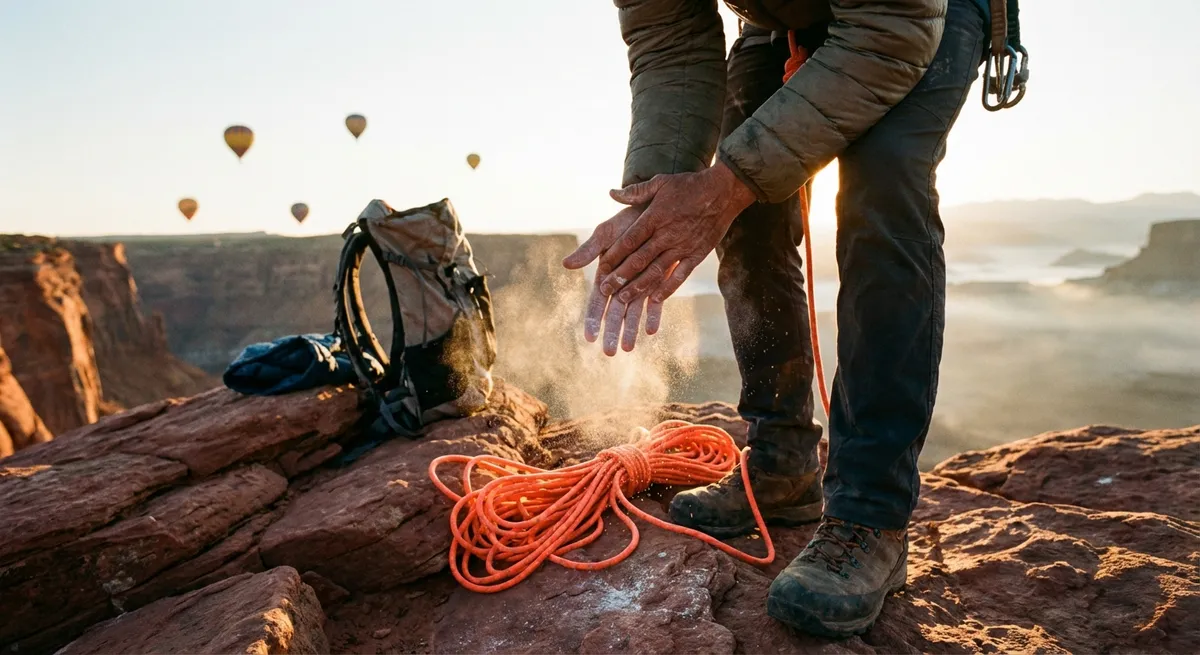
This guide will walk you through five adventurous ways to travel that will tug you out of autopilot and into the vivid, unscripted edge of the world—without losing sight of safety, practicality, or your budget.
1. Chase First Light: Building Dawn Missions Into Your Trip
There is a version of every destination that only exists before most people wake up.
Imagine hiking a coastal path as the horizon bruises from indigo to pink, the sea still glass-smooth and silent, fishermen quietly untying their boats. Or cycling through a European city while the streets are washed clean, bakeries breathe out the first wave of warm bread, and the usual chaos is still a promise instead of a reality.
Dawn “missions” can be as simple or epic as you like: a sunrise summit, a solo run through a sleeping city, a paddle across a calm lake, or a quiet photo walk in a new neighborhood. Check sunrise times in advance and plan your route the night before, including how you’ll get there and back safely.
Travelers often say they “don’t have time” to add adventure into their itinerary. Dawn gives you bonus hours—stolen from sleep, yes, but repaid with a sharper sense of being alive. Pack a small daypack the night before (water, light snack, headlamp, extra layer), tell someone your plan, and set two alarms. You may be tired later, but you’ll carry that sunrise for years.
2. Let the Local Pulse Lead: Say Yes to What You Didn’t Plan
The most electric moments on the road usually weren’t on your itinerary. They were the street festival you stumbled into, the family who invited you in for tea, the local ride-share driver who veered off the obvious route to show you “his” view of the city.
To build room for this kind of adventure, design “open pockets” into your trip instead of scheduling every hour. On those days, your mission is not to tick off sights—it’s to follow the local rhythm. Start in a neighborhood market. Notice what foods people are lining up for. Ask someone in line what they’d order if they were choosing for a friend. Let one recommendation lead to the next.
Follow community notice boards, local Facebook or WhatsApp groups, and café chalkboards for pop-up concerts, free walking tours, open-air movies, or local sports matches. Small events often reveal more about a place than its famous landmarks because you see how people actually move, talk, argue, celebrate, and rest.
Stay open, but stay aware. Trust your instincts: if a situation or invitation feels off, step back without apology. Adventure isn’t about ignoring red flags; it’s about saying yes when the world offers you something unexpected and good—and knowing when to walk away when it doesn’t.
3. Make the Journey the Adventure: Embrace Slow, Overland Routes
Airplanes get you to a place; overland travel teaches you the space between places.
Taking a night train across a continent, drifting by villages on a long-distance river boat, or road-tripping along a spine of mountains turns transit into an unfolding story. You see the landscape change frame by frame, hear languages blend and shift, and feel the weather roll across the roof of your journey.
Slow travel often costs less than flying, and it lets you build mini-adventures into the route: hopping off a train for a single night in a small town, taking side roads to visit a thermal spring or a forgotten fort, or pausing at a bus station café that somehow serves the best coffee of your trip.
To make overland adventures safe and smooth, research reputable train or bus companies in advance, and book major routes early—especially overnight segments. Check local guidance on road safety, political stability, and weather conditions. Pack a small “transit kit” with earplugs, eye mask, offline entertainment, snacks, and a portable battery; these little comforts turn long hauls into meditative stretches instead of endurance tests.
When you remember the trip years later, it may be those restless train station hours at dawn or that shared bus-ride meal—eaten with strangers who briefly became your travel family—that shines brightest.
4. Learn a Local Skill: Turn Curiosity Into a Hands-On Quest
Adventure isn’t just about where your body goes; it’s about what your hands learn to do and how your senses get rewired.
Instead of only consuming a destination—eating the food, seeing the sights—use part of your trip to create something inside that culture. Join a street photography walk, a free public yoga class, a beginner surf session, a calligraphy workshop, or a community cooking lesson. It doesn’t have to be fancy or expensive. Many hostels, community centers, and cultural institutions offer low-cost or donation-based classes.
Choosing a skill tied to the place you’re visiting deepens your connection to it: learning to roll pasta in Italy, throw a clay pot in Morocco, paddle a traditional canoe in the Pacific, or dance a local style you’d never heard of before you arrived. You’ll carry that skill home, and each time you practice it, you’ll revisit the adventure.
Practical tip: ask locals where they go to learn new things, rather than just signing up for the first highly advertised tour. Look for events hosted in collaboration with local artists, guides, and teachers so your experience supports the community you came to explore. Don’t worry about being “good” at it; the goal is participation, not perfection.
5. Design One Bold Challenge: A Personal Rite of Passage on the Road
Every powerful adventure has a threshold: a point where you face something that scares or tests you and you step through anyway.
Before you leave, choose one challenge that feels just outside your comfort zone—but still within your capabilities and safety limits. Maybe it’s your first solo hike, your first time camping in the wild, your first open-water swim, or your first attempt at traveling in a country where you don’t speak the language fluently.
Break it down: prepare physically (train if needed), research the route/conditions, and share your plan—including timelines and emergency contacts—with someone you trust. Start small if you’re new to this kind of push. An afternoon trail can be as legitimate a challenge as a multi-day trek if it’s new territory for you.
During the challenge, notice the moment your inner voice says, “You can’t.” That’s your crossing point. Pause, breathe, adjust your pace or expectations—but keep going if it’s safe. When you complete your challenge, mark it: journal, take a quiet moment at a viewpoint, or celebrate with a simple ritual like dipping your feet in the sea or sharing a meal to honor what you just did.
This isn’t about bragging rights. It’s about proving to yourself, in a way your body and mind will not forget, that you can stand in the unfamiliar and still move forward.
Conclusion
Adventures don’t wait for perfect timing, flawless planning, or unlimited money. They’re built from small, deliberate choices: waking up for the first light, leaving space for the unplanned, choosing the long way, learning with your hands, and daring yourself to cross one personal frontier.
When you travel this way, every journey becomes a living conversation between you and the world—one that keeps echoing long after you’ve unpacked. Pack your curiosity, honor your safety, trust your instincts, and let your next trip be the one that doesn’t just take you somewhere new, but sends you home changed.
Sources
- U.S. Department of State – Traveler’s Checklist - Guidance on travel documents, safety planning, and preparation before international trips
- Centers for Disease Control and Prevention – Traveler’s Health - Up-to-date health, vaccination, and destination-specific advice for travelers
- UN World Tourism Organization (UNWTO) - Global tourism data, trends, and insights that underpin concepts like sustainable and slow travel
- Lonely Planet – Sustainable & Responsible Travel - Practical tips for traveling more responsibly and supporting local communities while you adventure
- REI Co-op – How to Prepare for a Hike - Beginner-friendly guidance on planning and executing outdoor challenges like day hikes safely