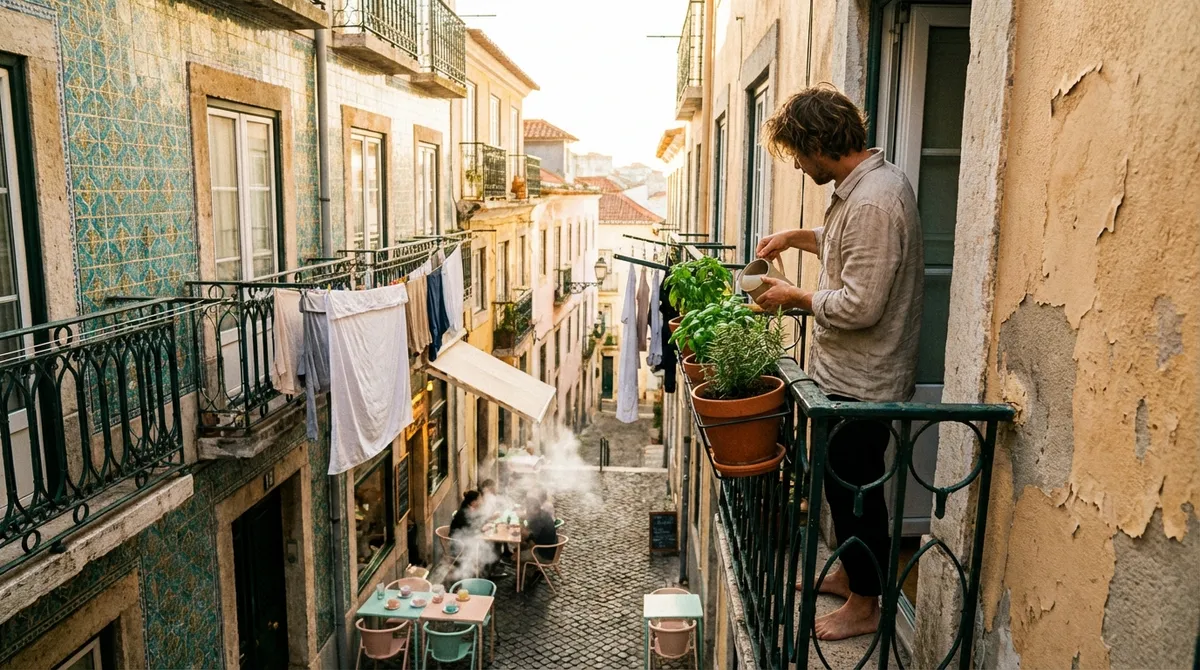
These five travel moves will help you feel at home anywhere on the planet—while keeping your days full of color, surprise, and stories worth telling.
Turn Arrival Day Into Your “Orientation Walk”
Your first hours in a new place set the tone for everything that follows. Instead of collapsing on the bed or scrolling through maps, treat arrival day as your personal orientation mission. Drop your bags, grab water, and walk a slow loop around your neighborhood. Notice the small things: the smell from nearby food stalls, the rhythm of traffic, which streets feel lively, where the quiet corners hide.
Look for three anchors you can return to over and over: a café or bakery, a small grocery or market, and a relaxed public space like a park or plaza. These spots become your living map—places you’ll pass through again and again until the area starts to feel familiar. Take photos of street corners, metro entrances, and distinctive buildings to help your memory lock in the route.
This gentle, grounded first step shrinks the unknown into something navigable. By sunset, you’ll already recognize faces, sounds, and routes. Suddenly, you’re not just visiting—you’re circulating in the daily pulse of the place.
Build a “Micro-Adventure” Into Every Single Day
Epic travel stories don’t only come from bucket-list experiences. They’re built from small, bold decisions stacked on ordinary days. Instead of waiting for the big tour or famous viewpoint, give yourself one daily micro-adventure—something just brave enough to nudge you beyond autopilot.
That might mean hopping on the local bus with no rigid plan, asking a shopkeeper for their favorite lunch spot, climbing that extra hill just to see what’s on the other side, or getting up an hour before sunrise to watch the city stretch awake. The rule is simple: it should feel slightly outside your normal comfort zone, but still safe and sensible.
Micro-adventures accumulate into memories faster than any checklist. They’re how you end up sharing tea in a stranger’s home, stumbling into neighborhood festivals, or watching a storm roll in from a quiet pier that wasn’t on any “Top 10” list. String enough of them together, and your trip stops feeling like a script and starts feeling like a story you’re writing in real time.
Learn the Five Local Phrases That Change Everything
Fluent or not, a few well-chosen words can open more doors than any guidebook. Instead of trying to memorize endless vocabulary, focus on five powerful phrases in the local language:
“Hello” (with the usual local greeting style)
“Please”
“Thank you”
“Excuse me / Sorry”
“Do you recommend…?” or “What do you suggest?”
These phrases aren’t just polite; they’re connective tissue. They show you’re participating in the culture, not just observing it from a distance. Pair them with a smile and patient body language, and people are far more likely to help you, suggest local favorites, or guide you when you’re lost.
Use translation apps to practice pronunciation before you arrive, then listen closely to how locals say the words. Over time, you can add more: “delicious,” “beautiful,” “How do I get to…?” Every new phrase is like getting a spare key to the city—one that unlocks interactions and stories you’d never experience in silence.
Pack a “Mobility Kit” So You Can Say Yes More Often
Spontaneity is easier when you’re prepared. A small, thoughtfully packed “mobility kit” in your day bag lets you say yes to unexpected detours, long walks, and surprise adventures without hesitation. Think of it as your passport to staying out longer and going a little farther.
Consider including: a refillable water bottle, light scarf or layer (for sudden weather changes or modest settings), compact sunscreen, portable battery pack, basic first-aid items (bandages, painkillers, motion sickness pills), and a small snack with protein. Add a photocopy of your passport and a card with local emergency numbers and your accommodation address.
With these basics covered, you’ll worry less about “what if” and lean more into “why not.” Instead of heading back early because your phone’s dying or your feet are sore, you can linger in that hillside village, follow that quiet trail, or watch the colors of the city shift from day to night without feeling rushed or unprepared.
Treat Markets, Buses, and Cafés as Your Real Guidebooks
Guidebooks and travel blogs are useful, but the true heartbeat of a destination lives where everyday life flows: in markets, buses, trains, and small cafés. Build time into your itinerary not just to pass through these places, but to dwell in them—eyes open, senses tuned, curiosity turned up.
In markets, you see what people actually eat, celebrate, and value. Watch how vendors interact, what foods sell out fastest, which stalls locals line up for. On buses or trams, observe how people pay, where they get off, how they make space for each other. In cafés, notice local rituals—how long people linger, what they order, how they greet the staff.
Say yes to trying one unfamiliar dish, one local drink, one typical snack each day. Ask the person serving you what they recommend “like a local.” These lived-in spaces will teach you more about a place’s character than any landmark ever could—and you’ll start to feel less like an outsider and more like someone who knows how the city breathes.
Conclusion
Travel feels different when you stop chasing the perfect trip and start learning how to belong, even temporarily, wherever your feet land. Orient yourself on day one, chase daily micro-adventures, honor the local language, stay ready to say yes, and let the everyday spaces become your teachers.
Do that, and every destination becomes more than a backdrop. It becomes a place you’re connected to—a place that will remember you, just as you’ll remember it, long after your plane lifts off the runway.
Sources
- U.S. Department of State – Traveler’s Checklist - Practical safety, documentation, and preparation advice for international travelers
- Centers for Disease Control and Prevention – Travel Healthy Resources - Guidance on staying healthy on the road, including first-aid and medication tips
- Lonely Planet – How to Travel Like a Local - Insights on connecting with local culture and daily life while traveling
- BBC Travel – The Power of Learning Local Phrases - Explores how speaking a bit of the local language can transform travel experiences
- National Geographic Travel – Why Markets Reveal a City’s Soul - Explains how markets and food spaces offer deep insight into local culture