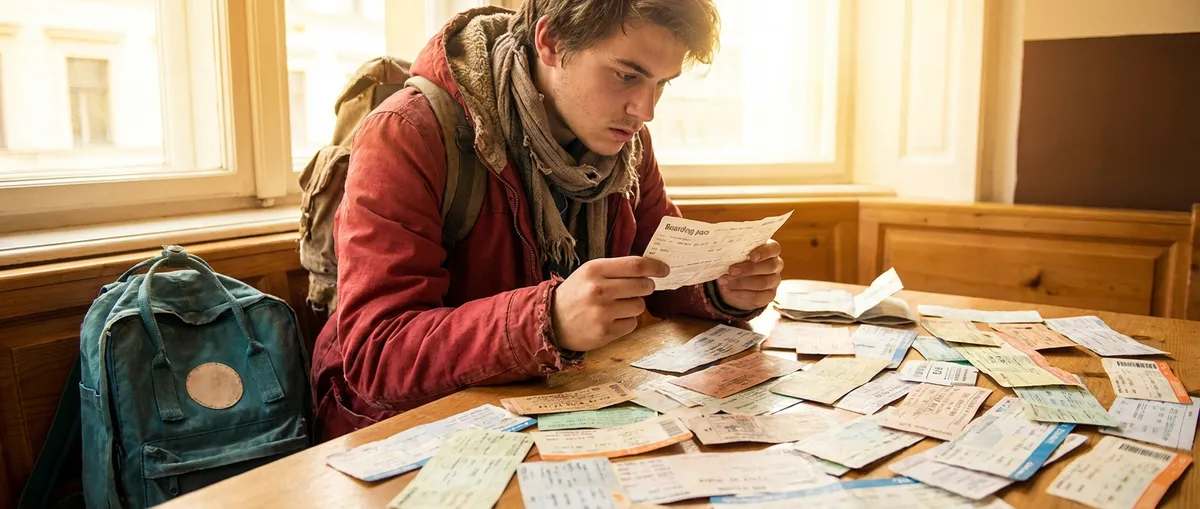
Turning Layovers into Bonus Destinations
Every long layover is a hidden chapter waiting to be claimed. Instead of dreading that six- or eight-hour wait, treat it as a micro-trip stitched into your journey. Many cities offer airport-to-downtown trains that make it easy to slip into real life for a few hours: a quick museum visit, a street food sprint, or a sunset walk along the water. Some airlines even provide free city tours for passengers with long connections, meaning you can add another country to your story without paying for an extra ticket. Do a little research before you fly: check visa requirements, airport transport times, and key sights close to transit hubs. Pack your daypack for “instant exploration”—light shoes, a power bank, a refillable water bottle, and a minimal toiletries kit so you can freshen up and feel human. When you start treating layovers as opportunities instead of obstacles, your trips stop being point A to point B—and start becoming winding, unforgettable routes.
Sleeping Smart: When Your Bed Funds Your Next Adventure
Every dollar you don’t spend on a room can become a train ride, a dive trip, a food tour, or a longer stay. Sleeping smart doesn’t always mean sacrificing comfort; it means choosing the kind of comfort that moves your journey forward instead of weighing it down. In big cities, hostels with private rooms often undercut mid-range hotels while still giving you social spaces, local tips, and sometimes free walking tours or activities. In rural areas, homestays and guesthouses can cost less than hotels and bring you closer to the life you came to see: homemade breakfasts, neighborhood gossip, and the kind of local knowledge you’ll never get from an app.
Night buses and overnight trains are another powerful budget traveler’s tool—your ticket becomes both transport and accommodation, effectively buying you an extra day on the ground. To make that work, prepare for “moving nights”: a neck pillow, earplugs, an eye mask, and a warm layer can turn a rough ride into decent sleep. When you think of your bed as part of your adventure strategy—not just a place to crash—you start aligning your costs with what you really want: more time exploring.
The Art of Slow Motion: Staying Longer, Spending Less
It sounds counterintuitive, but sometimes staying longer is what actually makes a trip more affordable. The fast, hyper-packed itinerary is often the most expensive way to travel—constant transportation, rushed decisions, last-minute bookings, and tourist-priced restaurants close to major sights. Slow travel flips that script. By basing yourself in one city or region for a week or more, you tap into local rhythms instead of tourist circuits. You find the neighborhood café with breakfast for half the price of the main square. You learn the rush-hour patterns and avoid them. You discover weekly markets where fresh food costs less than one restaurant meal.
Longer stays can also unlock discounts on accommodation and local rentals, from guesthouses to apartments. And the more you know a place, the less you overpay: you figure out the cheap public transit routes, free museum days, and local sim card options instead of burning money on roaming. Slow motion travel gives you something else money can’t buy: a sense of belonging. When the barista starts recognizing you, when the market vendor teaches you a new word, when you know which corner gets the best sunset—your budget trip stops feeling like a checklist and starts feeling like a temporary life.
Eating Like You Live There, Not Like You Visited Once
Food is where many budgets silently explode—but it’s also where some of the biggest savings and richest experiences hide. The trick is simple: eat where daily life happens, not where souvenirs are sold. Street food markets, family-run eateries, and “menu of the day” lunch spots are often where locals go for value and flavor. A bowl of steaming noodles on a plastic stool, a paper cone of fresh, spiced snacks, a plate piled high in a crowded canteen—these are not compromises; they’re portals into the place you came to see.
Look for lines of locals, handwritten menus, and places just a few blocks away from the main attractions. Learn one or two key food phrases in the local language—“What do you recommend?” “What’s the house specialty?”—and doors start opening. Another budget superpower: picnics. Grab bread, fruit, cheese, or local staples from a supermarket or market stall and eat in a park or by the water. You’ll spend a fraction of the price of a restaurant with a view and often get a better one. By eating like you live there, you shift from “consumer” to “participant,” and your food budget starts to feel less like an expense and more like a string of delicious, affordable adventures.
Free Wonders: Hunting Down Experiences That Cost Nothing
The world is packed with wonders that don’t charge admission. City skylines from public viewpoints, sunset beaches, mountain trails, street art alleys, old neighborhoods, public festivals, and open-air concerts often cost nothing except your time and curiosity. Before you arrive, search for free walking tours, museum free days, public parks, and cultural events run by the city. Many museums are free all the time, especially in capital cities, and some of the most memorable experiences—watching dancers rehearse in a public square, stumbling upon a street performance, wandering through a local market—can’t be bought anyway.
Use public transit as your moving tour bus: sit by the window on tram routes that cut across the city, or ferries that locals use for commuting. Often these rides are the cheapest way to see how a place fits together—the bridges, the hidden neighborhoods, the daily commute that no guidebook talks about. When you start looking for no-cost experiences on purpose, you realize how much of the world’s magic is already open, waiting, and budget-friendly by default.
Conclusion
Budget travel isn’t about enduring a lesser version of the world—it’s about stripping away the unnecessary so you can feel more of what’s real. When you turn layovers into mini-escapes, let your bed choices fund your next day, slow down instead of speed through, eat like you belong, and chase the free wonders hiding in plain sight, your trip expands far beyond what your bank account might predict. You don’t need a fortune to live a big travel life; you need intention, curiosity, and the willingness to trade comfort zones for stories. The world is already out there, waiting at budget prices. The question is how far you’re willing to stretch a single ticket.
Sources
- U.S. Department of State – Country Information - Visa, safety, and entry requirement details for planning layovers and extended stays
- Eurail – Night Trains in Europe - Overview of overnight train options, routes, and tips for combining transport with accommodation
- Hostelworld Blog – Hostel Travel Tips - Practical advice on using hostels to save money and meet other travelers
- Lonely Planet – Budget Travel Tips - Expert recommendations on saving money on food, activities, and transport while traveling
- VisitBerlin – Free Things to Do in Berlin - A city-level example of free attractions and experiences that illustrate how many destinations offer no-cost adventures