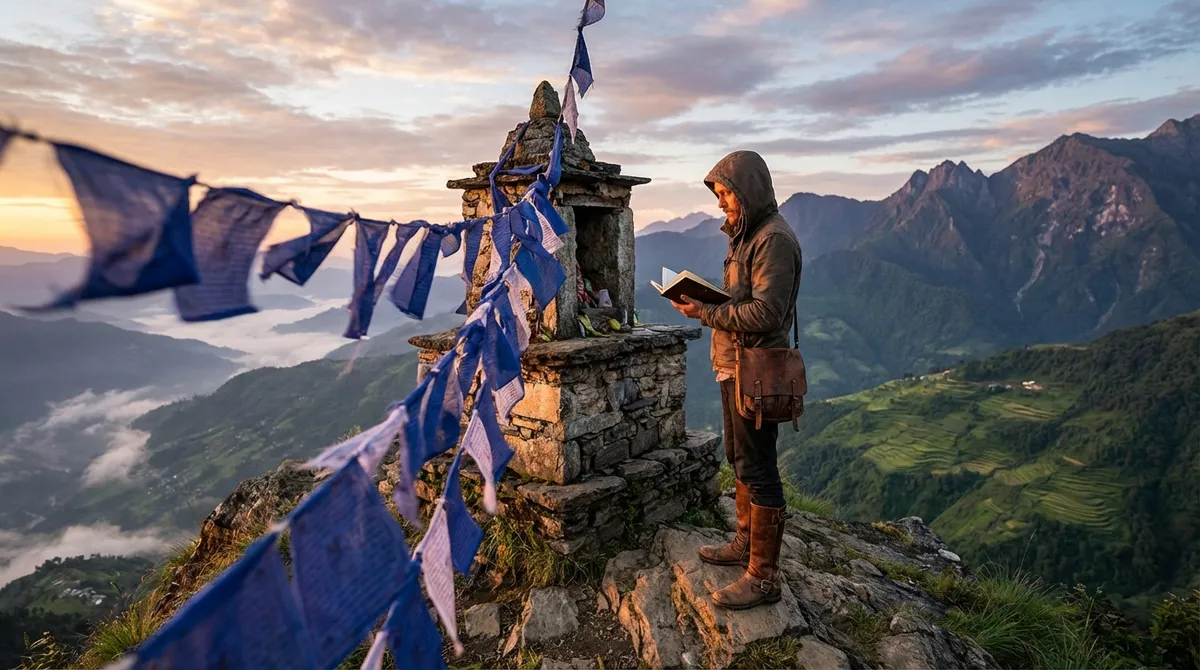
This guide isn’t a list of “must‑sees.” It’s a collection of five powerful experiences in five very different corners of the world, designed for travelers who want their next hop to feel like a turning point, not a timeout.
1. Iceland’s Midnight Edge: Where Time Stops Behaving
The first time you stand under Iceland’s midnight sun or winter’s shimmering auroras, the clock you live by starts to feel imaginary. Out on the lava fields beyond Reykjavík, the ground steams and cracks open into rust‑red fissures, and glaciers sprawl like frozen oceans under jagged peaks. It feels like Earth before the edit.
For an unforgettable approach, rent a small 4x4 and trace the ring road in a slow loop. Detour into the Snæfellsnes Peninsula for black‑sand beaches and cliffs crowded with seabirds, then soak in a geothermal pool that feels like a secret (think lesser‑known hot springs away from the Blue Lagoon crowds). In summer, lean into the endless daylight: hike at 10 p.m., photograph waterfalls when everyone else is asleep, and let your body clock loosen its grip.
Practical moves: book campsites or basic guesthouses early, pack layers that can handle sideways rain and sun in the same day, and always respect closure signs in geothermal areas—this is a living, shifting landscape. What you gain in return is enormous: a vivid reminder that the planet is wild, restless, and very much alive beneath your feet.
2. Kyoto’s Quiet Thresholds: Stepping Through Living Traditions
Kyoto doesn’t shout; it hums. Slip away from the main streets and you’ll find narrow alleys of wooden machiya houses, temple bells drifting through the air, and moss‑covered stone gardens that slow your breathing without asking. This isn’t a museum of “old Japan”—it’s a city where centuries‑old customs still shape how people move through the day.
Wake early and walk through a shrine district just after dawn, when the only sounds are wooden prayer plaques tapping in the breeze and the soft shuffle of locals beginning their day. Visit a small neighborhood market; let the vendors recommend snacks you can’t pronounce. When you enter a temple or teahouse, follow the quiet choreography: bow slightly, watch what others do, and move gently through the space.
To deepen the experience, time your visit around a seasonal shift—cherry blossoms in spring or burnished maples in autumn. Stay in a ryokan (traditional inn) if your budget allows, and embrace the rituals: tatami floors, shared baths, set meal times. Travel here isn’t about collecting sights; it’s about letting ritual and detail seep into you until you find yourself walking more slowly, noticing more, speaking less—and liking it.
3. The Patagonian Frontier: Learning the Scale of Wild
Southern Patagonia, shared by Chile and Argentina, is where your sense of “big” gets recalibrated. In Torres del Paine or Los Glaciares, granite towers claw at the sky, winds roar across turquoise lakes, and ice fields stretch beyond the horizon like the world’s last unfinished chapter. Nothing about this landscape was built to make you comfortable—and that’s exactly the point.
Choose a multi‑day trek—like the W or O circuit in Torres del Paine—or base yourself in El Chaltén and tackle day hikes that end at glacial lagoons. Expect weather that changes by the hour: sun, sleet, and sideways rain in a single afternoon. Train your body before you go, but also train your expectations; these paths demand flexibility more than perfection.
Practical prep: invest in solid boots, a real rain shell, and a layered system you can adjust on the fly. Book park reservations and buses well in advance during peak season. Most importantly, travel with humility. Patagonia has a way of stripping away your illusion of control, and what’s left is something precious: the thrill of being small in a giant, indifferent, extraordinary world—and realizing that’s freeing, not frightening.
4. Fez Behind the Doors: Getting Lost the Right Way
Fez, Morocco, is a labyrinth that delights in confusing you. The old medina is a tight weave of alleys, hidden courtyards, tiled fountains, and doorways that conceal entire worlds. At first, it’s disorienting—then it becomes addictive. Each turn is a choice, a puzzle, a chance encounter with a spice seller, a calligrapher, or a rooftop café you’ll never find again.
Start by accepting you will get lost. That’s the point. Download offline maps, mark your riad, and then wander without rushing. Step into artisan workshops where copper is hammered by hand and leather is dyed in ancient tanneries; ask questions, listen more than you speak, and buy directly from people who made what you’re holding. When the sensory overload peaks, retreat to a riad’s inner courtyard, where a small fountain and birdsong can reset your brain.
Respect local norms: dress modestly, especially away from tourist corridors, and always ask before photographing people. Learn a few phrases of Darija or French; doors open faster when you try. In Fez, destinations matter less than thresholds—each carved lintel, each archway, each unmarked door a reminder that the richest parts of a city rarely sit on its main streets.
5. New Zealand’s Road of Possible Lives
New Zealand feels like a draft of a world where every landscape was turned up a notch—fjords carved deep into the coast, volcanic plateaus, glowworm caves, surf beaches that glow under southern stars. But its real magic is how easily you can step into different versions of yourself with each hop of the road.
Rent a campervan or compact car and build a loose loop between both islands. One week you’re tramping through beech forests toward alpine huts; another, you’re paddling through sea‑carved rock arches or cycling old rail trails that thread through farmland and tunnels. Towns like Queenstown and Wanaka tempt the adrenaline‑hungry (bungee, canyon swings, via ferrata), while the geothermal zones around Rotorua remind you the Earth below is simmering.
Practical side: New Zealand rewards shoulder seasons—spring and autumn—with lighter crowds and gentler prices. Book key activities ahead, but leave open days for detours locals rave about. Focus on depth, not speed: staying two or three nights in fewer places lets you trade “checklist travel” for something richer. As you move, notice which version of yourself you keep wanting to be—the hiker, the surfer, the slow reader by a lakeshore—and bring that insight home with you.
Conclusion
Destinations like these don’t just give you memories; they give you leverage—small but powerful shifts in how you see time, risk, comfort, and possibility. That’s the quiet secret of travel that feels truly alive: the landscapes might be far away, but the change they spark is portable.
Wherever you hop next, choose not just a place, but a tension: between old and new, wild and safe, strange and familiar. Lean into the destinations that make you a little unsure of yourself at first. That edge you feel? That’s the beginning of your next, bigger story.
Sources
- Visit Iceland – Official Tourism Site – Practical information on seasons, driving conditions, and regional highlights in Iceland
- Kyoto City Official Travel Guide – Details on temples, seasonal events, and cultural etiquette in Kyoto
- Chile Travel – Torres del Paine National Park – Official guidance on trekking routes, weather, and park regulations in Patagonia
- Moroccan National Tourist Office – Background on Fez, medina culture, and travel tips for visitors
- New Zealand’s Official Tourism Website – Comprehensive planning resource for routes, activities, and seasonal advice across both islands