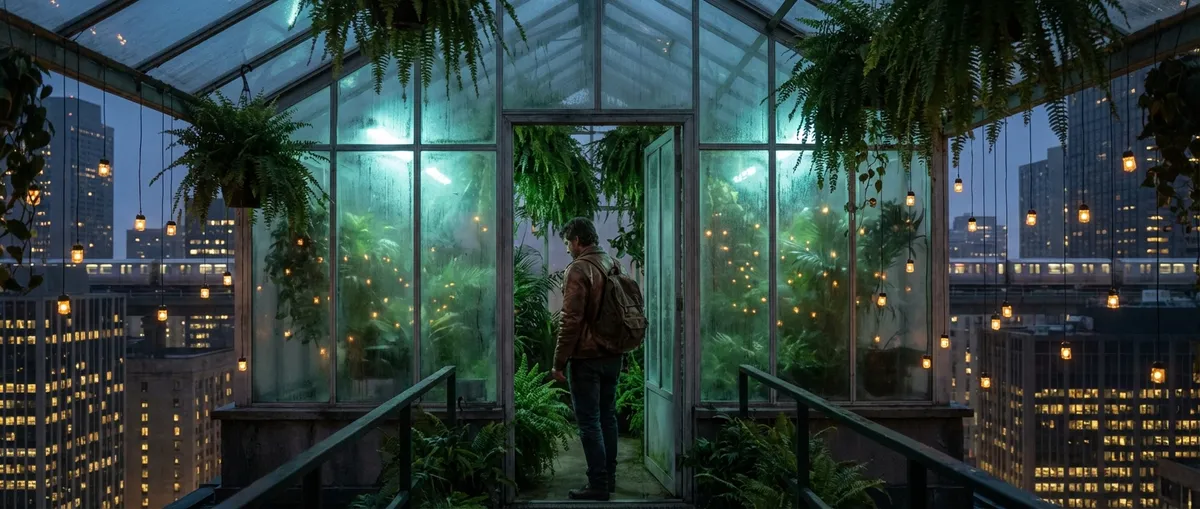
This isn’t about ticking off the top ten must‑sees. It’s about slipping into the secret layers of a place and letting a city surprise you. These five kinds of urban destinations will make you feel like you’ve stepped through a portal—without ever leaving town.
Rooftop Worlds Above the Noise
Up where the air thins and the traffic becomes a faint hum, cities reveal a second skin. Rooftops aren’t just for skyline photos; they’re where the story of a city gets vertical. Imagine wandering onto a garden five stories above a subway line in New York, sipping coffee next to lavender and bees on London’s South Bank, or watching a tropical sunset from a Bangkok rooftop where the sky turns neon-pink and the whole city pulses beneath you.
The magic of rooftop escapes is contrast: one moment you’re in a crowded street, the next you’re in a quiet, breezy world where flowers replace honking horns. Seek out public rooftop parks, libraries with terraces, and museums with sky decks. Many cities now have “green roofs” open to visitors—small ecosystems in the clouds that offer walking paths, art installations, and panoramic views. Go early for calm, or aim for golden hour to watch the city lights flicker on like a galaxy at your feet.
Practical tip: Search for “rooftop garden,” “sky park,” or “viewing deck” plus your destination city. Check opening hours (many close at dusk) and consider booking a time slot if available—some of the best rooftops strictly control capacity, which makes your experience even more peaceful.
Forgotten Railways Turned Wild Pathways
Old rail lines and industrial corridors are becoming some of the most soulful urban escapes on earth. Where trains once roared, ferns now grow between the sleepers, birds nest in old signal towers, and locals jog past striking street art framed by wildflowers. Walking these elevated or tucked-away paths feels like stepping into a secret vein of the city—familiar yet strangely quiet, as if the metropolis has turned down its own volume.
In places like New York’s High Line, Paris’s Coulée Verte, and Seoul’s Seoullo Skygarden, rusting infrastructure has become living sculpture. But even smaller cities are transforming disused tracks into green corridors, bike paths, and winding promenades. As you walk, look down into side streets and hidden courtyards you’d never see from ground level. Listen for the layered sounds: wind through steel, kids playing far below, a distant train that still runs.
Practical tip: Search for “rail trail,” “elevated park,” or “greenway” in the city you’re visiting. Go just after sunrise for dramatic light and fewer people, or at twilight when the paths glow with subtle lighting and city views feel cinematic.
Markets That Wake Up All Your Senses
Markets are where a city’s heartbeat becomes visible. Long before the office towers wake up, vendors are stacking fruit into perfect pyramids, arranging fish on gleaming ice, and ladling soup to regulars who’ve come here every morning for decades. Step into this world and you’re not just sightseeing—you’re participating in the daily choreography of the place.
Each market has its own rhythm. In Tokyo or Barcelona, it might be the precise art of seafood and produce. In Marrakech or Mexico City, it’s a riot of colors, spices, and sizzling street food. Follow your senses instead of a checklist: chase the smell of baking bread, the hiss of something hitting a hot griddle, or the laughter that always seems to gather around the best stall. Talk to vendors. Ask what’s in season. Order the thing you can’t even pronounce and let curiosity lead.
Practical tip: Go with small local currency and an open schedule. Aim to visit twice—once early, when locals shop and the energy is raw, and again later in the day when vibes are more relaxed and some stalls may offer discounts. Always ask before taking close-up photos of people; a simple, friendly gesture goes a long way.
Waterways That Reveal a City’s Quiet Side
If you want to understand a city’s soul, follow its water. Rivers, canals, and harbors are often the original reasons a place exists at all—and they still hold its quietest magic. Drift along Amsterdam’s canals as houseboats reflect in rippling water, kayak through Copenhagen’s harbor past swimmers and floating saunas, or take a river ferry in Bangkok, Istanbul, or Hong Kong and watch the skyline shift like a living map.
Water routes offer a slower perspective, turning skyscrapers into backdrops and revealing how locals actually move and live. You’ll glide past laundry hung from balconies, hidden riverside bars, tiny rowing clubs, and bridges you’d never notice from a car or tram. In some cities, cheaper commuter ferries give you the same views as pricey tourist cruises—minus the commentary, plus the thrill of joining daily life from the waterline.
Practical tip: Search for “public ferry,” “canal boat,” “kayak tour,” or “river walk” for your destination. Pack a light layer (waterfront breezes can be cooler than city streets) and a waterproof pouch for your phone. Sunset rides offer dreamlike reflections; early mornings bring a softer, misty calm that feels worlds away from rush hour.
Neighborhoods That Glow After Dark
Some cities only reveal their true character when the sun slides away and neon, lanterns, or streetlamps take over. Night districts aren’t just about bars and clubs—they’re about street food steam rising under fluorescent bulbs, impromptu music spilling from open doorways, and the way ordinary alleys transform into glowing arteries of life.
In Tokyo, tiny alleys like Omoide Yokocho and Golden Gai compress a universe of ramen joints and miniature bars into a few square meters. In Lisbon or Buenos Aires, live music pours from small venues into cobbled streets, inviting you to linger. In cities across Southeast Asia, night markets and hawker centers become after-dark playgrounds for your taste buds. The trick is to wander slowly, without a fixed agenda, and let light and sound guide you—choosing the stall with the longest local line, the bar with music that pulls you in, the square where kids are still playing at midnight.
Practical tip: Ask locals which areas are lively but safe after dark, and stick to well-lit streets with plenty of people around. Carry only what you need, keep valuables secure, and download offline maps so you can explore without worrying about signal drops. If you’re nervous about solo night wandering, join an evening food or walking tour to get comfortable with the area first.
Conclusion
Cities are not just concrete and schedules; they’re layered worlds begging to be explored from unexpected angles. When you step onto a rooftop garden, walk a forgotten rail line, lose yourself in a market, drift along a river, or follow neon into the night, you’re doing more than sightseeing—you’re learning how a place breathes, dreams, and remembers.
The next time you land in a new city, resist the urge to only chase the “must‑see” list. Hunt for the portals instead. Ask the barista where they go to feel like they’ve left town without leaving the city. Follow the narrow staircase, the side street, the path that seems to lead nowhere. That’s where the hidden worlds live—and where your most unforgettable stories begin.
Sources
- The High Line – New York City Official Guide - Background on transforming an elevated rail line into a public park
- Sky Garden London – Official Site - Example of a public rooftop garden and viewing space in a major city
- Boqueria Market, Barcelona – Official Site - Insight into how historic city markets function as cultural hubs
- Amsterdam Canal District – UNESCO World Heritage - Context on urban waterways shaping cities and their character
- Visit Seoul – Seoullo 7017 Skygarden - Illustration of repurposed urban infrastructure into elevated green space