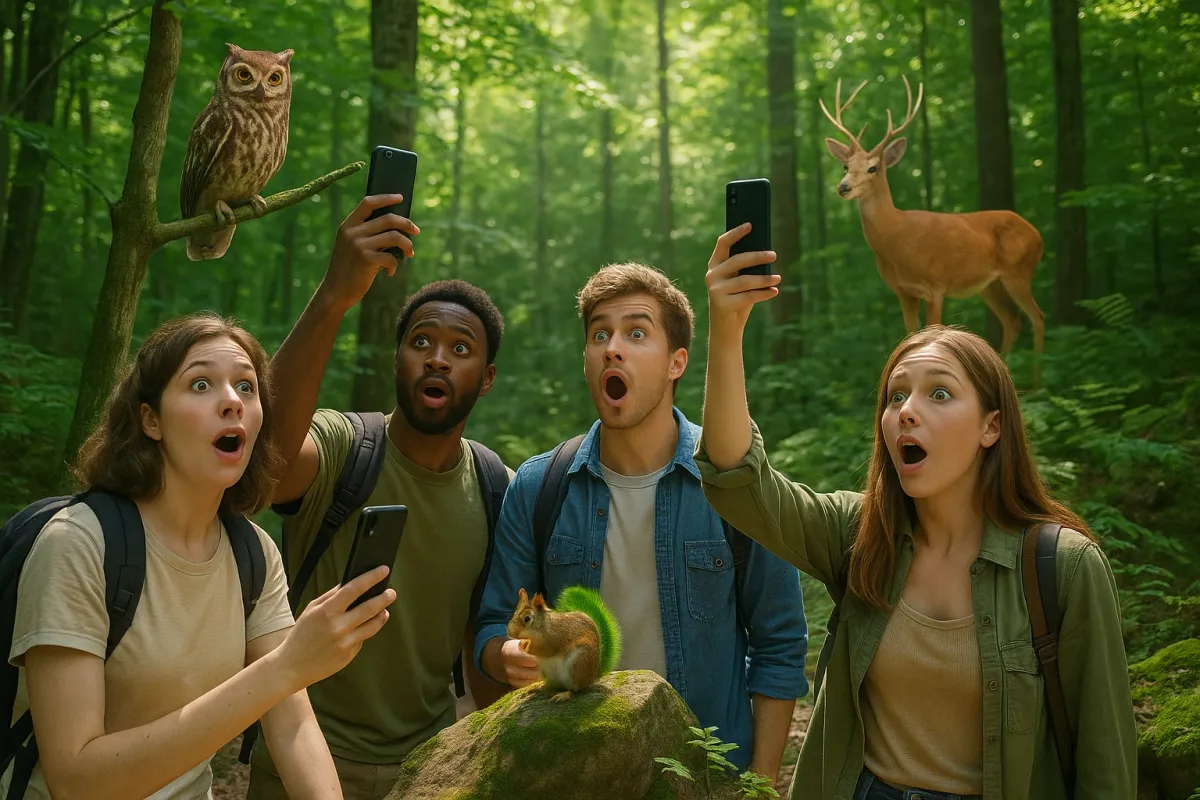
That same skill can turn your next trip into a living, breathing scavenger hunt. Forget racing from landmark to landmark. Imagine stepping into a forest, city, or coastline with the mindset of those 1.1 million hidden-dog hunters—eyes tuned for motion, color, shapes, and stories that most travelers miss.
Here’s how to take the energy of the #HiddenDogChallenge and transform your journeys into real-world quests, where every alley, trail, and marketplace hides something worth finding.
Train Your “Wildlife Eyes” Before You Go
The people dominating the #HiddenDogChallenge aren’t just lucky—they’ve trained their vision. They’ve learned to notice ear shapes against sofa cushions, tails in shadow, and eyes reflecting the light. You can use that same training to level up your wilderness awareness before you even book a flight.
Start small and local. Next time you walk through a park, pause and scan: look for slight movements in bushes, color contrast on tree trunks, and patterns in the grass. Challenge yourself to spot birds high in the canopy, squirrels on branches, or insects along a path. This “micro-adventure” of noticing is exactly what makes real wildlife encounters happen on the road. When you eventually find yourself in a rainforest in Costa Rica or a national park in Kenya, you’ll process more than just the obvious elephants and toucans—you’ll catch the quiet lizards sunning on rocks and the shy mammals in the undergrowth. The more you practice now, the more vivid your future journeys become.
Turn Every Destination Into A Live Scavenger Map
The #HiddenDogChallenge works because people go in knowing there’s definitely a dog in the picture. That certainty keeps them searching. On your next trip, build that same sense of expectation: create your own personal “wildlife and wonder list” for each destination and hunt for it like you would that camouflaged pup.
Heading to Iceland? Set a quest to spot a lone Arctic fox against the snow, seabirds nesting on black cliffs, or the first sign of a seal’s head breaking the water. Exploring Japan? Hunt for koi in temple ponds, herons in rice fields, or macaques in the mountains. City break in Lisbon or Buenos Aires? Your list might include hidden cats on balconies, parrots in urban parks, or local street dogs that have become neighborhood legends. Treat each day like a level to unlock, with your journal or notes app as the scorecard. You’ll move more intentionally, linger longer, and create a story-rich journey instead of a checklist of “done that” tourist stops.
Follow the Locals (The Four-Legged Ones, Too)
Hidden-dog photos are fascinating because they reveal how deeply dogs blend into the rhythms of a home. On the road, local animals offer the same insight—showing you how a place actually lives, not just how it looks on postcards. Following them (respectfully and at a distance) can guide you into real, unscripted adventures.
In coastal towns, watch where the stray cats gather at dusk—they’ll lead you to quiet harbors, family-run fish shacks, and sunset spots you won’t find on Instagram. In mountain villages, listen for the tinkling of sheep bells or the bark of herding dogs and follow the sound up narrow paths to terraced fields or wide open views. In cities, observe where the neighborhood dogs laze in the sun; they tend to choose warm corners, plazas, and side streets the locals genuinely use and love. Make time to simply sit and watch: animals, like people, follow routines—and those routines trace the heartbeat of a place.
Pack Like A Tracker, Not A Tourist
The #HiddenDogChallenge community has trained eyes—and often, sharp lenses. To bring that same clarity to your adventures, pack not just for comfort but for perception. A few small choices can turn you from a passerby into a tracker.
Bring lightweight binoculars or a monocular; they transform distant shapes into clear encounters, from dolphins breaking waves to raptors circling cliffs. Download offline bird and wildlife ID apps for your region—they’ll help you turn “some kind of bird” into a specific species and a real memory. Wear muted, weather-appropriate clothing so you blend more easily into your surroundings, giving wildlife less reason to spook. And don’t forget a simple notebook: jotting down where, when, and how you spotted a creature turns your trip into an unfolding field journal instead of a blur of photos. The more intentionally you equip yourself, the more your days start to feel like field expeditions, not just vacations.
Let The Hunt Slow You Down—Safely And Responsibly
In the Dogspotting Society’s hidden-dog posts, people will stare at a single image for minutes, refusing to give up until they find the tail or nose that proves the dog is there. That patience is exactly what most modern trips are missing—and what makes wildlife-rich adventures unforgettable. But there’s a catch: your quest has to be grounded in respect.
On trails, hang back rather than crowding an animal for the perfect shot; a blurred photo from a safe distance is better than stressing a wild creature or putting yourself at risk. Stick to marked paths in fragile ecosystems and protected areas. Book guided tours with operators who follow clear ethical guidelines and support conservation, whether you’re snorkeling with sea turtles, tracking snow leopards, or watching whales breach offshore. Let your hunt slow your heartbeat instead of spiking it: stay still, listen more, talk less, and allow the environment to come alive around you. Adventure isn’t about conquering a place—it’s about tuning in so deeply that even the “hidden” parts of it begin to reveal themselves.
Conclusion
The viral #HiddenDogChallenge is more than a fun internet game—it’s a masterclass in attention, patience, and curiosity. Those are the exact traits that turn regular trips into true adventures. When you travel with “hidden dog” eyes, you start to notice the fox crossing the trail at dawn, the owl perched above the campsite, the gecko mosaicked into a café wall. You collect not just sights, but secrets.
Your next journey doesn’t need to be more expensive, farther, or wilder to feel unforgettable. It just needs you to show up like a quiet explorer on a living scavenger hunt—ready to search, wait, and be surprised by what was there all along.